

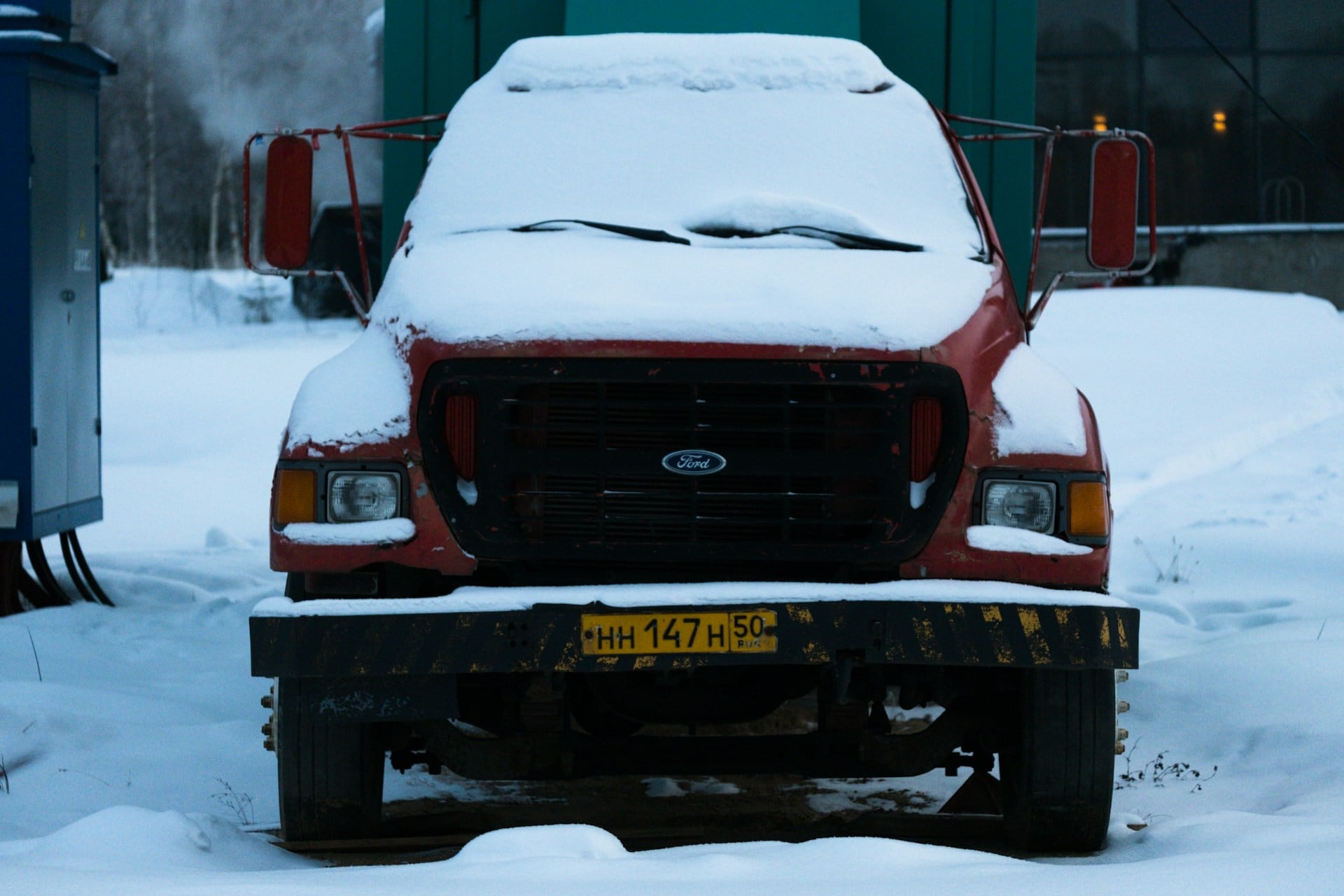
Winter Service Schedule For Your Ford Vehicle
Posted at Sun, Dec 21, 2025 5:00 PM
Winter on Long Island isn't gentle on cars. The cold seeps in, roads ice over, and layers of slush and salt can slowly wear things down. When the temperatures start to drop, it’s smart to make sure your Ford is ready for the months ahead. Cold snaps can come out of nowhere, and when they do, you want to feel confident that everything from fluid levels to tire grip can handle the conditions.
A winter service schedule helps your vehicle stay reliable through the toughest part of the year. Instead of trying to fix issues after something breaks, you’re staying ahead of the weather with routine checks. Small moves like topping off the right fluids or inspecting your tire tread can add up to a big difference when the roads get tricky. Here’s what to keep in mind as you prep your Ford for a winter in Suffolk County.
Check and Replace Fluids
Fluids keep your vehicle running, especially in cold weather. One of the first fluids to check is the antifreeze. This is what stops your engine from freezing when temperatures drop below freezing. Make sure the coolant mixture is balanced and topped off. If it’s low, your engine could be at risk once things get icy.
Oil is the next fluid to check. As temperatures go down, oil thickens. This means it doesn't flow as easily, which can make the engine work harder. If your last oil change was a while ago, now is a good time to switch it out. Depending on your Ford model and the climate, you might even need a winter-grade oil that flows better in the cold.
Don’t forget windshield wiper fluid. A lot of drivers overlook this one until it freezes at the worst time. Go with washer fluid made for freezing conditions to make sure it sprays as expected and helps with visibility when you need it most.
Keep these points in mind during winter maintenance:
- Check the coolant level and color
- Swap old oil for one made for colder temperatures
- Use windshield wiper fluid meant for freezing temperatures
- Double-check brake and transmission fluid levels
- Inspect hoses and washer lines for clogs or damage
Checking fluids only takes a few minutes, but it plays a major role in how your Ford performs during cold starts and freezing conditions on Long Island roads.
Inspect and Replace Tires
Your tires are the only part of your Ford that actually touch the road, so they need to be in top shape for winter. Snow, ice, and cold pavement change everything about how your vehicle handles, so tire quality and pressure are huge.
Winter tires are a smart choice for Long Island drivers. They’re made from a special rubber that stays soft and grippy in cold weather. This helps with steering, braking, and handling on icy streets. If winter tires aren’t your thing, just make sure your current all-season tires have deep tread and no damage.
Cold air also lowers tire pressure, which can make your tires flatter without you even noticing. This affects everything from fuel efficiency to stopping distance. Tire pressure should be checked regularly in freezing temperatures.
It’s also a good idea to rotate your tires if you haven’t done so recently. Uneven wear can get worse on icy or rough winter roads, so rotating helps your tires last longer and work better.
Here’s your tire prep list:
- Use the penny test to check tread depth
- Look for sidewall cracks or bulges
- Check pressure often as temperatures drop
- Consider rotating tires every few thousand miles
- Upgrade to winter tires for better grip
Safe winter driving starts with the tires. When they’re ready, you’ll notice better handling and a reduced chance of sliding, even during Long Island snowstorms.
Battery Maintenance
Cold weather drains battery power faster than most people realize. When the temperature drops below freezing, the battery has to work harder to start your car. If your battery is older or already getting weak, that first cold morning could be the one where it quits.
Start by inspecting the battery terminals. If you see any white residue or rust around the posts, clean it off right away. Corrosion makes it harder for the battery to stay fully charged and keeps your Ford from starting smoothly.
Testing the battery before winter hits full swing is another smart move. Many service centers can check its voltage and tell if it’s strong enough to last the season. If your battery struggled last winter or is more than three years old, replacing it this year might save you from a stall in freezing weather.
Signs you need to check your battery include:
- Corrosion or buildup around the terminals
- Loose battery cables or movement
- Slow cranking when turning the key
- Dim headlights or flickering interior lights
- An old or worn-out battery label
Replacing a weak battery before it fails is way less stressful than waiting for a tow truck in a frozen parking lot. It’s one winter item that’s worth taking seriously.
Ensure Visibility and Comfort
A clear windshield and a warm cabin can make a huge difference during a frosty morning drive. Even the best all-wheel drive won’t help if you can’t see what’s ahead or feel safe and comfortable behind the wheel.
Windshield wiper blades wear out faster than you think—especially after dealing with heat, rain, and summer dirt. If yours streak or squeak, swap them out before winter storms make them a bigger problem. Make sure washer nozzles are clear and aim properly so they actually hit the glass.
Test your front and rear defrosters to make sure they’re heating quickly and pushing out enough airflow. If fog lingers inside the glass or takes too long to clear, you might need to clean the vents or have the system checked.
Heated seats and steering wheels aren’t just upgrades. On bitter mornings, they help drivers stay relaxed and alert. Make sure those features work well before you need them most.
Comfort and visibility checklist:
- Replace worn-out windshield wipers
- Check washer jets for clogs
- Test both front and rear defrosters
- Clean and check vents for strong airflow
- Verify heated seats and wheel are working
Clearing your windshield fast and staying warm can turn a frustrating winter drive into a routine trip. Take a little time now to avoid bigger problems later.
Stay Safe, Drive Smart
Winter on Long Island puts your Ford through a lot. From flash freezes to messy snow, every trip becomes a little more unpredictable. That’s why a solid winter service schedule makes such a difference. It keeps you ahead of the issues and helps your vehicle stay reliable all season long.
There’s no need to do everything all at once. Spread out your winter checks—fluids one weekend, tires the next—and stay consistent. Look out for warning signs like flickering lights, low tire pressure, or unusual noises. Small signs often turn into big repairs if ignored.
Think of winter prep like seasonal home maintenance. You wouldn’t avoid sealing windows or checking the furnace, and your car deserves the same attention. Cold affects everything from fluid thickness to tire pressure, and early action helps avoid roadside problems down the line.
If you have questions or want a second opinion, our team at Sayville Ford is here to keep your Ford in top shape through every snowfall and icy curve. Let’s get your Ford ready for Long Island winter roads.
As the colder weather sets in across Long Island, sticking to a regular service routine helps keep your vehicle running reliably through the season. If you're looking to stay ahead of winter wear and tear, our Ford maintenance schedule on Long Island can help you plan smart. Sayville Ford is here to support safer, smoother drives no matter how frosty it gets.