

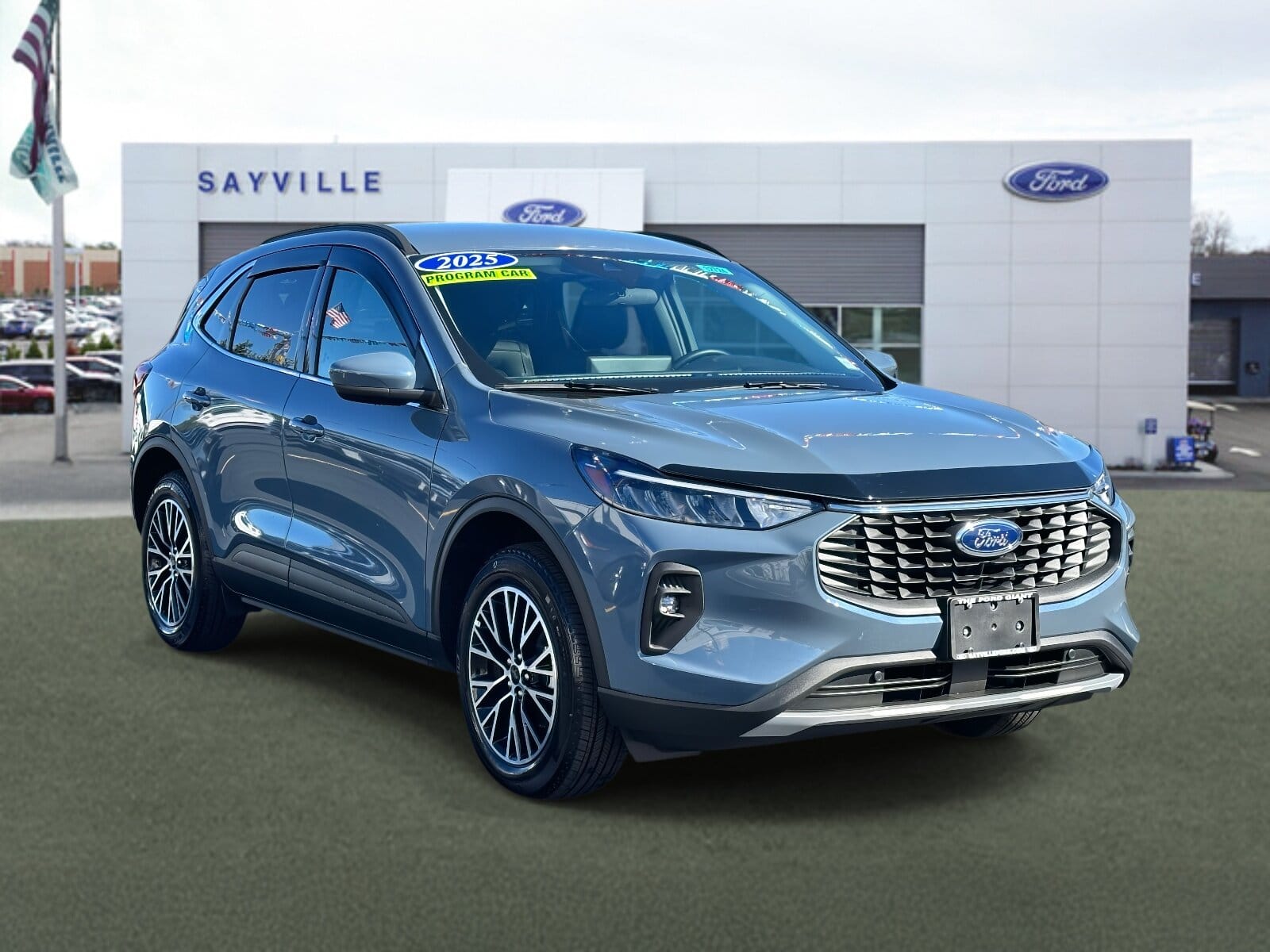
Warning Lights On Your Ford Escape Dashboard Explained
Posted at Sun, Nov 2, 2025 5:00 PM
Ever had a warning light pop up on your Ford Escape’s dashboard and instantly wondered what it meant? You’re not alone. These lights can be confusing at first glance, but they serve as your vehicle’s way of telling you that something needs attention. Whether it’s a small alert or a serious issue, recognizing the meaning behind each dash light can save you time, money, and keep your Escape safely on the road.
For drivers here in Suffolk County, catching these signals early is especially helpful. With busy roads, changing seasons, and long commutes, you need your vehicle to be reliable. Understanding what each dashboard light means and how urgent it really is can help you avoid unexpected breakdowns or expensive repairs later on.
Common Ford Escape Dashboard Warning Lights
Most dashboard symbols fall into one of three categories: red (urgent), yellow or orange (caution), and green or blue (informational). Here’s a breakdown of some of the most common warning lights you might see in your Ford Escape and what they’re trying to tell you.
- Check Engine Light: Usually shaped like an engine or simply says “Check Engine.” Don’t ignore this one. While it can mean something as minor as a loose gas cap, it might also signal engine misfires, sensor issues, or problems with emissions systems. Best to get it checked soon if it stays on or flashes.
- Oil Pressure Warning: This light looks like an old-fashioned oil can. It means oil pressure has dropped too low, often due to low oil level or a failing oil pump. Driving with this light on can cause engine damage, so it’s important to shut off the engine and get it inspected right away.
- Battery Alert Light: Shaped like a car battery, this light shows up if the charging system has a problem. It could be an issue with the battery itself, the alternator, or wiring. If you see it, your vehicle might soon lose electrical power, so try to visit a service center before the car dies completely.
- Brake System Warning Light: Displayed as an exclamation mark inside a circle or the word “BRAKE,” this can indicate a few things. It may mean your parking brake is still engaged, or there’s a problem with the brake fluid level or braking system. If it’s blinking or stays on, play it safe and have the brakes checked immediately.
- Tire Pressure Monitoring Light: This symbol looks like an exclamation mark inside a flat tire. It means one or more of your tires is underinflated. Especially with colder weather rolling into Suffolk County soon, pressure drops more often. This light doesn’t mean there’s a leak every time, but the tires still need inspecting.
- Coolant Temperature Warning: Shown as a thermometer submerged in liquid, this light warns that the engine is overheating. Turn off the AC, pull over safely, and shut down the engine if this light comes on. Driving with an overheating engine can lead to serious damage fast.
- Traction Control or Stability Light: Shown as a car with wavy lines underneath, this light often flickers on and off, especially during rainy or icy conditions. It means the traction control system is active. If it stays on, there may be a problem with that system.
Keeping an eye on these lights and knowing what they mean gives you a better chance of fixing small problems before they grow into big ones. You don’t need to be a mechanic to understand your Ford Escape is trying to tell you something. You just need to know how to listen.
What to Do When a Warning Light Comes On
When a warning light flashes on your Ford Escape’s dashboard, the first thing to do is stay calm. Panic can lead to poor decisions. The light is there to get your attention, not to create immediate worry. What matters next is what you do about it.
Here’s a simple way to handle it:
1. Look at the color of the light
- Red: Stop driving as soon as it’s safe. This could mean something serious like low oil pressure or overheating.
- Yellow or orange: It doesn’t require pulling over right away, but the issue still needs attention soon.
- Green or blue: These help tell you something is working correctly, like your high beams.
2. Check the dashboard symbols
Take a second to snap a photo of the light or write down what it looks like if you're unsure. If you’ve got your owner’s manual nearby, you can match it up with that. If the light is blinking, don’t wait. Get your vehicle inspected right away.
3. Listen and feel
If the car sounds different, rides rough, or smells like something is burning, those are extra signs not to ignore. Turn off the air conditioning, reduce your speed, and head to a safe place to stop.
4. Don’t assume it will go away
Some people hope the light will just turn off on its own, but that’s a gamble. Even something as small as a loose gas cap can trigger a warning, and leaving it unresolved can lead to worse problems later.
5. Call a professional
Once you’ve found a safe place to park and noted what’s going on, it’s time to let a certified technician take it from there. They have the right tools to scan your Escape and figure out exactly what’s happening.
Cold Weather Can Trigger Specific Warning Lights
As November rolls in across Suffolk County, colder mornings become part of the daily routine. With the change in temperature, some dashboard lights may appear more often than usual even if nothing’s actually broken. Here are a couple of seasonal warnings to keep an eye on:
- Tire Pressure Monitoring System (TPMS) Light: This one’s especially common during fall and early winter. When the air gets colder, tire pressure drops. That drop in pressure can turn the TPMS light on. It’s not always urgent, but driving on underinflated tires isn’t safe or efficient. Don’t just fill them up and forget. Have them looked at if they keep losing pressure.
- Coolant Temperature Warning: Engines don’t like extremes whether it’s too hot or too cold. Colder weather can lead to longer warm-up times, which means if your coolant or thermostat isn’t working well, the system may get confused. If the light comes on, check your temperature gauge and avoid running the vehicle too hard until it's properly warmed.
Some alerts might show up during a freezing week but disappear once the weather settles. Even so, it’s better to know why the light was triggered than to brush it off. A professional inspection gives you peace of mind for winter driving.
Just like Suffolk County roads can change overnight, so can your vehicle’s condition. Paying attention to dashboard signals during colder months helps prevent sudden surprises like dead batteries or uneven tire wear right when you’re getting ready for holiday travel or early morning commutes.
How Sayville Ford Helps Keep You Covered
When you’re unsure what a dashboard symbol means, you need someone who understands the full picture. Knowing what triggered the light is only half the battle. Finding and fixing the root cause is where the real help comes in. Whether it’s a sudden check engine alert or a subtle TPMS signal during a cold snap, having access to trained technicians makes the difference.
Diagnostic tools used at trusted service centers connect directly to your Escape’s computer system. This gives a clear report of what’s gone wrong and how to fix it. That’s a layer of detail no dashboard icon can explain on its own.
After the inspection, technicians can walk you through the next steps. They’ll explain if it’s something urgent or something safe to wait on. Then they’ll fix it using parts that match your vehicle’s needs. You won’t get stuck guessing what to do or risk driving around with a problem you didn’t fully understand.
Whether it’s a sudden battery alert in the rain or a recurring brake light that won't go off, bringing your Ford in for service when things feel off is a smart move. Proactive care now means fewer problems later, especially during Suffolk County’s unpredictable weather seasons.
Stay One Step Ahead in Suffolk County
Warning lights don’t show up to ruin your day. They’re your Ford Escape’s way of telling you something’s off, and it needs to be checked out. And while they can seem small at first, they give you the chance to stop minor problems before they turn into major ones. Knowing which ones to address right away and how to respond gives you a better shot at staying safe out on the road.
Driving across Suffolk County from morning commutes on Sunrise Highway to weekend drives through Patchogue or Islip means your vehicle needs to be ready for anything. Paying attention to your dashboard helps keep your plans running smoothly no matter the season. And with colder days ahead in November, now’s a good time to stay alert and give your vehicle the attention it deserves.
Gaining confidence with your Escape’s warning signals can take a little time, but once you’re familiar, it makes your drives easier and your decisions clearer. A little knowledge now can help you feel prepared instead of panicked the next time a light comes on.
Want to make sure your vehicle is ready for the road ahead? Explore dependable options like the Ford Escape in Suffolk County at Sayville Ford. Our team of trained technicians is here to help keep things running smoothly, so you can drive with confidence no matter where you’re headed.