

Towing & Hauling Brake Prep for Ford SUVs on Long Island: What to Inspect
Posted at Sun, Aug 16, 2026 9:00 AM
Stop Sooner, Tow Safer: Summer Brake Prep Essentials
Towing or hauling with your Ford SUV puts a lot more demand on your brakes, especially on busy Long Island roads. Extra weight from boats, campers, and packed cargo means your SUV has to work harder every single time you slow down or stop.
When you add a trailer or heavy gear, your brakes deal with:
- Longer stopping distances
- Extra heat building up in the pads and rotors
- More stress in stop-and-go traffic on parkways and local roads
On crowded routes like the LIE, Sunrise Highway, and the parkways, you want your brakes ready for anything. A quick stop can become a real problem if your system is already worn or weak. That is why a proactive brake inspection before late-summer trips is such a smart move. Getting professional Ford brake service in Suffolk County before August and Labor Day weekends helps your SUV tow and haul with more confidence and control.
Know Your Ford SUV’s Tow and Brake Limits
Before you hitch up, it is important to know what your Ford SUV is built to handle. Different models are designed for different kinds of towing and hauling. For example, an Expedition or Explorer is often set up for heavier trailers, while an Escape or Bronco may be better for smaller campers, jet skis, or light cargo.
A safe brake setup starts with staying within your SUV limits. Key things to keep in mind include:
- Maximum tow rating for your specific SUV and engine
- Payload capacity inside the vehicle
- Tongue weight on the hitch
All of that weight does not just affect how your SUV pulls, it changes how it stops. When you load up passengers, coolers, beach gear, and a trailer for a weekend in Sayville, Patchogue, or out toward the Hamptons, your braking system has to handle it all. Heavier loads make your brakes work harder every time traffic slows.
Modern Ford SUVs also rely on electronic systems to help keep towing steady and safer. These may include:
- ABS to help prevent wheel lockup
- Stability and traction control to help keep the SUV pointed straight
- Trailer sway control and, in some setups, trailer brake support
All of these systems depend on healthy pads, rotors, and brake fluid. If the basic braking parts are worn or weak, those smart features cannot do their job as well as they should.
Visual Brake Checks You Can Do at Home
You do not need to be a technician to spot early signs that your brakes need attention. There are a few simple checks you can do in your driveway before you load up for a summer trip.
Start with a quick walk-around:
- Look through the wheel spokes and try to see the brake pads. If they look very thin, it is time to have them checked.
- Look at the rotors. Big grooves, heavy rust on the surface, or dark spots can be warning signs.
- Pay attention to any strong burning smell after a drive, especially when you tow or haul.
Then think about what you hear and feel when you drive:
- High-pitched squealing when you brake can mean the wear indicators are touching the rotor.
- Grinding sounds can mean pad material is worn down too far.
- A steering wheel that shakes when you brake may point to rotor issues.
- A pedal that feels spongy, sinks too far, or needs more distance to stop is a red flag.
Any brake warning light on your dash is something you should not ignore, especially before you add a trailer or heavy cargo. These driveway checks are only a first step. If anything seems off, it is safer to get professional Ford brake service in Suffolk County before you head out with extra weight behind your SUV.
Professional Brake Service That Tows with Confidence
A professional brake inspection goes much deeper than a quick look through the wheels. When you bring your SUV to a dealership service department, the team can check your system front to back with towing in mind.
A typical brake service visit often includes:
- Measuring pad and rotor thickness against recommended specs
- Checking calipers for sticking or uneven pressure
- Inspecting brake lines and hoses for leaks or damage
- Testing parking brake function, which can be important on boat ramps and hills
- Checking brake balance from front to rear, helpful when towing or hauling
Brake fluid is another piece that many drivers forget about. Over time, fluid can absorb moisture from the air, especially in hot, humid weather like we get on Long Island. When fluid is contaminated, it may not handle heat as well. Under heavy braking with a trailer, that can lead to a softer pedal feel and weaker stopping power.
Using parts designed for your Ford SUV can also make a difference when you tow. Genuine components are built to work with factory tow packages, trailer brake controllers, and driver-assist systems. That helps keep everything working together when you are slowing down from highway speeds with a full load.
Long Island Roads, Summer Heat, and Stop-and-Go Stress
Local driving conditions matter a lot when you prepare your brakes for towing and hauling. Long Island roads can be tight, crowded, and full of quick stops, which puts extra pressure on your system even without a trailer.
Think about where you drive:
- Slow, heavy traffic on Sunrise Highway and Montauk Highway
- Tight neighborhood streets around towns and beach areas
- Steep boat ramps at marinas where you need strong low-speed control
Add in summer temperatures and all that weight, and your brakes can get hot fast. When brakes overheat, you may feel:
- A softer pedal that needs more pressure
- A burning smell or smoke near the wheels
- A drop in stopping performance, sometimes called brake fade
Heat can also lead to warped rotors and uneven pad wear, which may first show up as vibrations or pulsing when you press the pedal. Getting your brakes checked a few weeks before a big late-summer trip to Montauk, the Hamptons, or upstate gives you time to handle any repairs and make sure parts are in place before you go.
Schedule Your Brake Check Before You Hitch Up
Before you load bikes, kayaks, campers, or boats, it pays to know your Ford SUV can stop as well as it can tow. A pre-trip brake inspection helps protect your family, your cargo, and everyone around you on Long Island roads.
It is also smart to think of brake service as part of a larger towing prep plan. Many drivers like to combine:
- Brake inspection and any needed service
- Tire tread and pressure checks for SUV and trailer
- Fluid checks, including engine oil and coolant
- Trailer light and wiring checks
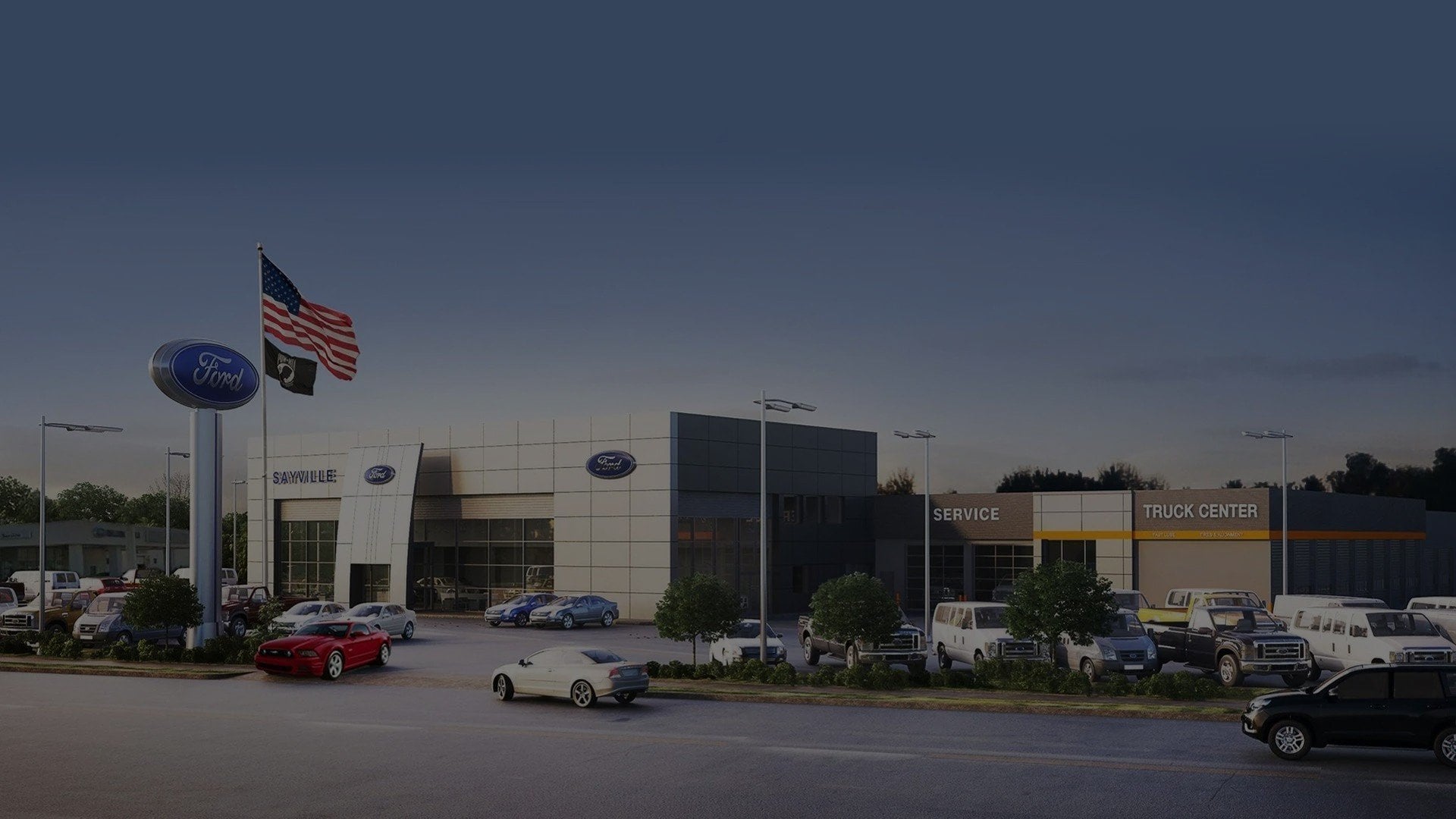
At Sayville Ford, we help drivers across Long Island get their Ford SUVs ready for towing and hauling with confidence. When you plan your next summer trip, pairing careful loading with a fresh brake check is one of the easiest ways to feel more relaxed behind the wheel.
Protect Your Stopping Power With Expert Local Brake Care
If your brake pedal feels different or you are hearing unusual noises, schedule your Ford brake service in Suffolk County with Sayville Ford today. Our factory-trained technicians will inspect your entire braking system and recommend only the work you truly need to stay safe on the road. To set up an appointment or ask a question about your brakes, simply contact us and we will help you choose a convenient time.