

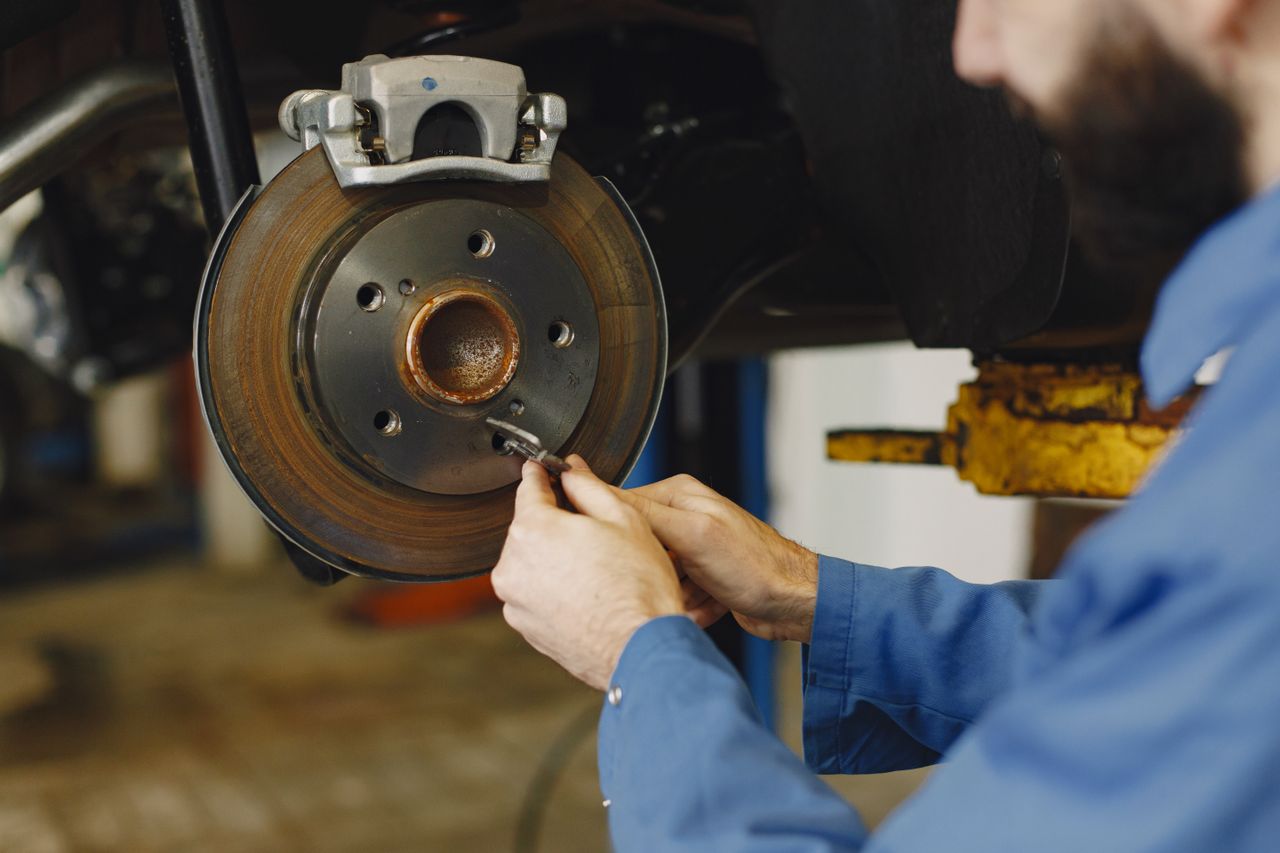
Beach Traffic Brakes: Ford Stop-and-Go Wear on Long Island Roads
Posted at Sun, Jun 21, 2026 9:00 AM
Stop Beach Traffic From Wearing Out Your Ford Brakes
Long Island driving is tough on brakes, especially when the weather warms up. Those slow crawls to Robert Moses, Fire Island ferries, Ocean Beach, and the backups on Sunrise Highway or the Long Island Expressway (LIE) all mean one thing for your Ford: a whole lot of stopping and starting.
All that stop and go, mixed with sand and salty air, can wear your brakes faster than you might expect. Pads get thinner, rotors get rough, and performance can fade without much warning. When you understand how this happens on our local roads, it gets much easier to know when to plan Ford brake service in Suffolk County so your vehicle stays safe and ready for every beach run.
In this article, we will walk through how Long Island driving affects your brakes, the warning signs to watch for, simple care tips, and why professional brake service matters for your Ford.
How Long Island Summer Driving Beats up Your Brakes
Traffic is a fact of life across Long Island, and that is hard on any braking system. Around Sayville, Patchogue, and along Montauk Highway, it is common to drive in slow lines of cars that keep bunching up, moving, and stopping again.
Stop-and-go driving does a few things to your brakes:
- Creates constant friction and heat in your pads and rotors
- Wears brake pads down faster from repeated light stops
- Can cause brake fluid to get hotter and work harder
When brakes run hot over and over, parts do not get much time to cool. That steady heat can lead to glazing on pads, uneven rotor wear, and a brake pedal that feels less firm over time.
Coastal driving adds another layer of stress. On roads near the bay or ocean, your brakes are always close to:
- Sand that can get into small gaps and scrape surfaces
- Salt from the air and road spray that encourages rust
- Moisture that sits on metal parts and feeds corrosion
Rusty rotors and hardware can hurt braking performance and bring on vibrations or noise. If you drive to the beach several times a week, or your Ford spends a lot of time parked outdoors near the water, your brakes feel these effects even more.
Lifestyle patterns also matter. Many Suffolk County drivers:
- Sit in heavy weekend beach traffic
- Commute from city or town to shore
- Make lots of short, stop-filled trips
Short trips and constant traffic mean your brakes never really get a break. They work hard from the time you leave your driveway to the time you park, day after day.
Warning Signs Your Ford Brakes Need Attention Now
Brake problems usually start small. If you know what to look for and listen for, you can catch issues before they become dangerous or lead to larger repair needs.
Pay attention to these sounds:
- High-pitched squeaking or squealing when you slow down
- Grinding noises that sound harsh or metallic
- Rhythmic scraping that speeds up and slows down with the vehicle
Noises like that can point to worn pads, grooves in the rotors, or metal parts rubbing where they should not.
Feel matters too. Notice changes in:
- Brake pedal feel, such as soft, spongy, or sinking, toward the floor
- How long it takes your Ford to stop compared with what you are used to
- Whether the steering wheel shakes when braking from highway speeds
You might also feel your vehicle pull to one side when braking in traffic. On a crowded parkway or near a busy exit, that pull can be very stressful and unsafe.
A big mistake is waiting for a dashboard warning light or your inspection sticker date before doing anything. If you sense a change in sound, feel, or stopping distance, it is time to have your brakes checked, especially before a long weekend road trip or a run to the beach with a full load of passengers and gear.
Brake Care Tips for Suffolk County Ford Drivers
You cannot avoid traffic, sand, or salty air completely, but smart driving habits can help reduce brake wear between services.
On local roads and parkways, try to:
- Leave more following distance so you can brake gently instead of hard
- Avoid riding the brakes on bridges or long off-ramps
- Shift to a lower gear on steep grades when possible, to use engine braking
After driving through heavy rain or standing water, it helps to lightly tap your brakes a few times once you are back to a safe speed. This can warm and dry the pads and rotors so they grip more consistently.
There are also a few simple visual checks you can do at home, as long as you stay safe and do not remove parts:
- Look through the wheel openings to see if the pads look very thin
- Scan the rotor surface for heavy rust, grooves, or rough patches
- Check your driveway or parking spot for new fluid spots under the vehicle
- Note any new burning smells or sharp odors when you stop
Keep a small notebook or use your phone to track when you first notice any brake noise or feel changes. If a symptom is getting worse or shows up more often, that is a clear sign to get your brakes checked.
Planning a seasonal brake inspection can also help. We usually suggest:
- A spring or early summer check to get ready for busy driving season
- A second look in the fall, after months of traffic, heat, and beach runs
This type of rhythm fits well for many Suffolk County drivers and helps keep surprises to a minimum.
Why Certified Ford Brake Service Matters on Long Island
Brakes are one area where it really pays to have the right people and parts working on your vehicle. Ford trained technicians work with Ford cars, trucks, and SUVs every day, so they know the common patterns and trouble spots on these models.
This kind of focused experience helps with:
- Tracking down squeaks, vibrations, and pulls that may feel minor now
- Knowing how local conditions like salt and sand affect specific Ford models
- Choosing the right repair path so problems do not come back too soon
Genuine Ford brake parts are built for your exact model, which means they are designed to match your vehicle’s weight, balance, and braking system. When pads, rotors, and brake fluid are made to work together, you can expect more predictable stopping in heat, traffic, and sudden slowdowns.
At the end of the day, good brake service is not only about fixing what is worn out. It is about catching wear early, using parts that fit correctly, and testing everything so your Ford feels steady and confident on Long Island roads again.
Hit the Beach with Confidence
Stop-and-go traffic, sand, salt, and moisture all team up to wear down your Ford braking system quietly over time. If you wait until the brakes feel terrible or you hear grinding every time you stop, you may be facing bigger repair needs and more stress on your daily drive.
A smart plan is to stay alert to early warning signs, follow simple driving habits that are easier on your brakes, and pair regular inspections with other routine services like oil changes or tire rotations. With thoughtful care and the right brake service in Suffolk County, you can head out to the beach, the parkway, or the ferry with a lot more peace of mind.
Keep Your Brakes Ready For Every Suffolk County Drive
Your safety on the road starts with brakes you can trust, and our certified technicians are here to help you keep them in top shape. Schedule your Ford brake service in Suffolk County today so we can inspect, repair, or replace key components before they become a problem. At Sayville Ford, we use quality parts and precise diagnostics to help your Ford stop smoothly and confidently. If you have questions about your brake performance or want to book an appointment, simply contact us.