

Solving Ford Check Engine Light Issues on Long Island Roads
Posted at Sun, Jul 19, 2026 9:00 AM
Stop Stressing Over That Ford Check Engine Light
A glowing check engine light can turn a fun Long Island drive into a stressful ride in seconds. One minute you are planning a quick trip to the beach, the next you are wondering if your Ford is about to leave you stuck on Sunrise Highway or the Long Island Expressway.
That little light is your Ford’s way of asking for help. Ignoring it can lead to bigger problems, from losing power in stop-and-go traffic to failing your New York State inspection. When you understand what the light is telling you and how to respond, you protect your engine, your wallet, and your plans.
On Long Island, summer heat, heavy traffic, and frequent short trips can push your vehicle hard. Knowing when the light means “get checked soon” and when it means “pull over now” keeps you and your family safer and helps your Ford last longer.
What Your Ford Check Engine Light Is Really Telling You
Not all check engine lights mean the same thing. The way the light behaves gives you an early clue about how serious the issue might be.
Here is a simple way to read it:
- Solid check engine light: The system has found a problem, but the car usually still runs.
- Blinking or flashing light: The problem might be misfires or another issue that can damage the catalytic converter. This often needs urgent attention.
Summer driving on Long Island can bring out common triggers, such as:
- Loose or damaged gas cap after frequent refueling on long drives
- Aging oxygen sensors that affect fuel mixture
- Misfires from worn spark plugs or coils stressed by heat
- Evaporative emissions system problems from hoses and valves
Modern Fords store diagnostic trouble codes, often called DTCs, in the onboard computer. A basic code reader can sometimes pull a generic code, but it may not tell the whole story or show Ford-specific data. Deeper checks call for equipment designed to work with Ford systems.
Not every check engine light leads to a large repair. Many issues start small. Getting your Ford checked early at a professional service center helps prevent minor concerns from turning into engine or transmission damage later.
When It Is Safe to Drive and When to Pull Over
Seeing that light on your dash does not always mean you have to stop right away. Some situations allow for short, careful drives to a service center.
It is usually safer to drive a short distance if:
- The light is solid, not blinking
- The engine feels normal, with no shaking or loss of power
- There are no strange smells, like fuel or burning
- The temperature gauge is in the normal range
- There is no smoke from under the hood or the exhaust
Even then, it is smart to have your Ford checked as soon as you can. The problem is not likely to fix itself, and waiting often makes things worse.
Pull over and get help if you notice:
- A flashing check engine light
- Strong fuel smell from the front or rear of the vehicle
- Loud knocking, pinging, or ticking sounds
- Smoke from under the hood or out of the tailpipe
- The temperature gauge rising toward hot
- Sudden loss of power, especially in busy traffic
If this happens, ease off the gas, move to the right lane, and find a safe place to stop. On crowded roads like the Long Island Expressway or major parkways, a disabled vehicle can quickly become a hazard, so safety comes first.
If the engine is struggling but still running, you can help protect it by:
- Slowing down and avoiding hard acceleration
- Not towing or carrying heavy loads
- Turning off the A/C to reduce strain if the engine feels weak
- Heading straight to a trusted Ford check engine light service in Long Island instead of continuing your trip
How Professional Technicians Diagnose Check Engine Problems Right the First Time
Check engine issues are rarely as simple as “replace this one part.” Modern Ford vehicles use many sensors and systems that interact with each other, so skilled diagnosis matters.
A thorough diagnostic visit usually includes:
- Talking with you about what you felt, heard, or smelled when the light came on
- A visual inspection under the hood for loose connections, damaged hoses, or obvious leaks
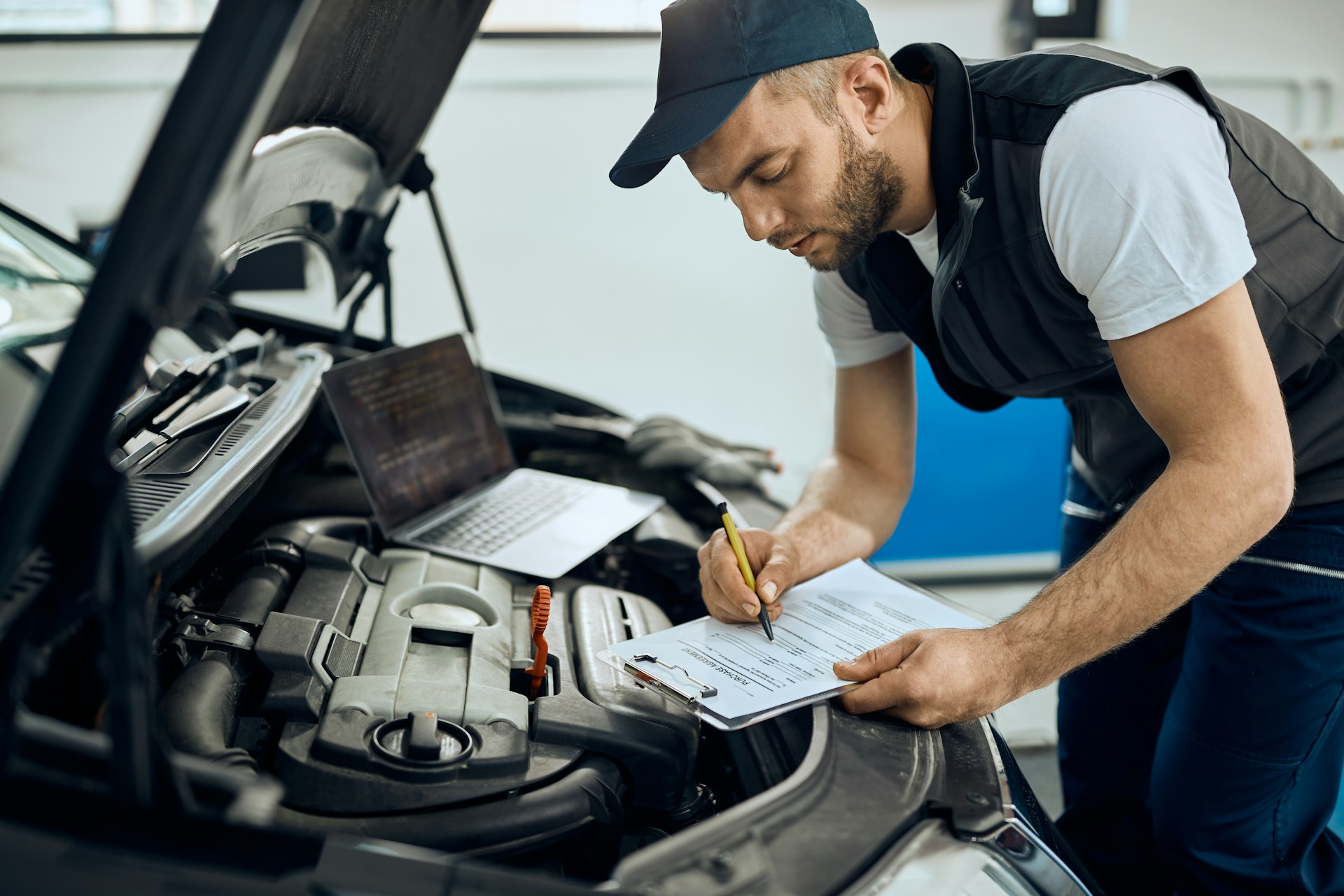
- Connecting Ford-compatible diagnostic equipment to read stored codes and live data
Ford-focused diagnostic tools can:
- Read manufacturer-specific codes that generic tools may miss
- Watch live sensor readings while the engine runs
- Run system tests to check components under different conditions
Factory-trained technicians know how common problems show up on popular Ford models like the F-150, Explorer, Escape, and Bronco. They also work with up-to-date repair information so they can follow the right testing steps instead of guessing.
Using genuine Ford and Motorcraft parts helps keep repairs consistent with how your vehicle was built. This supports long-term reliability and reduces the chance of seeing that check engine light come back for the same issue.
For busy drivers in Suffolk County, it also helps when the service process fits into real life. That often means flexible appointment options, a comfortable place to wait if you choose, and clear, upfront estimates before any repair work starts.
Seasonal Check Engine Concerns on Long Island Summer Roads
Long Island summers bring hot, humid weather and heavy seasonal traffic. Those conditions can add stress to your engine and emissions systems, which makes check engine lights more common during peak travel months.
Heat, A/C use, and slow-moving traffic can contribute to:
- Higher under-hood temperatures
- Evaporative emissions system leaks as hoses and seals age
- Cooling system strain from constant stop-and-go driving
- Weak batteries that struggle in both heat and short-trip driving
- Fuel quality issues when a vehicle sits for long periods between drives
Some of the more common summer-related triggers include:
- Evaporative emissions leaks that trip the check engine light
- Misfires that happen more when the engine is under heat stress
- Cooling system faults that can lead to overheating in traffic
- Sensor problems tied to age and heat cycles
Before longer drives to Fire Island ferries, Hamptons trips, or family vacations, it is smart to have a quick professional check that may include:
- Coolant level and condition
- Belts, hoses, and visible connections
- Air filter and basic intake components
- Spark plugs and ignition components
- A fuel and emissions system inspection
Taking care of potential issues before your busiest travel time helps you avoid last-minute breakdowns, towing, and lost vacation days.
Schedule Your Ford Check Engine Light Visit Before Your Next Trip
A check engine light should be seen as a helpful warning, not just an annoyance. Acting quickly protects your engine, helps keep your catalytic converter from damage, and makes it easier to pass New York State inspection when the time comes. It also gives you peace of mind when you are driving across Long Island for work, school, or weekend plans.
When that light comes on, do not wait for it to get worse or for more warning signs to show up. Make a note of how the vehicle feels, any smells or sounds, and whether the light is solid or blinking. Share those details with a professional service team that works with Ford vehicles every day. With the right Ford check engine light service in Long Island, you can get the problem found and fixed, then get back on the road feeling confident for the rest of the season.
Restore Your Ford’s Performance With Expert Diagnostics
If your check engine light is on, we are ready to pinpoint the issue quickly and get you back on the road with confidence. Schedule your Ford check engine light service in Long Island today and let our factory-trained technicians handle the rest. At Sayville Ford, we use advanced diagnostic tools and genuine Ford parts for accurate, reliable repairs. Have questions before you book? Just contact us and our team will be happy to help.