
What Qualifications Should Your Ford Technician Have
Posted at Sun, Nov 2, 2025 5:00 PM
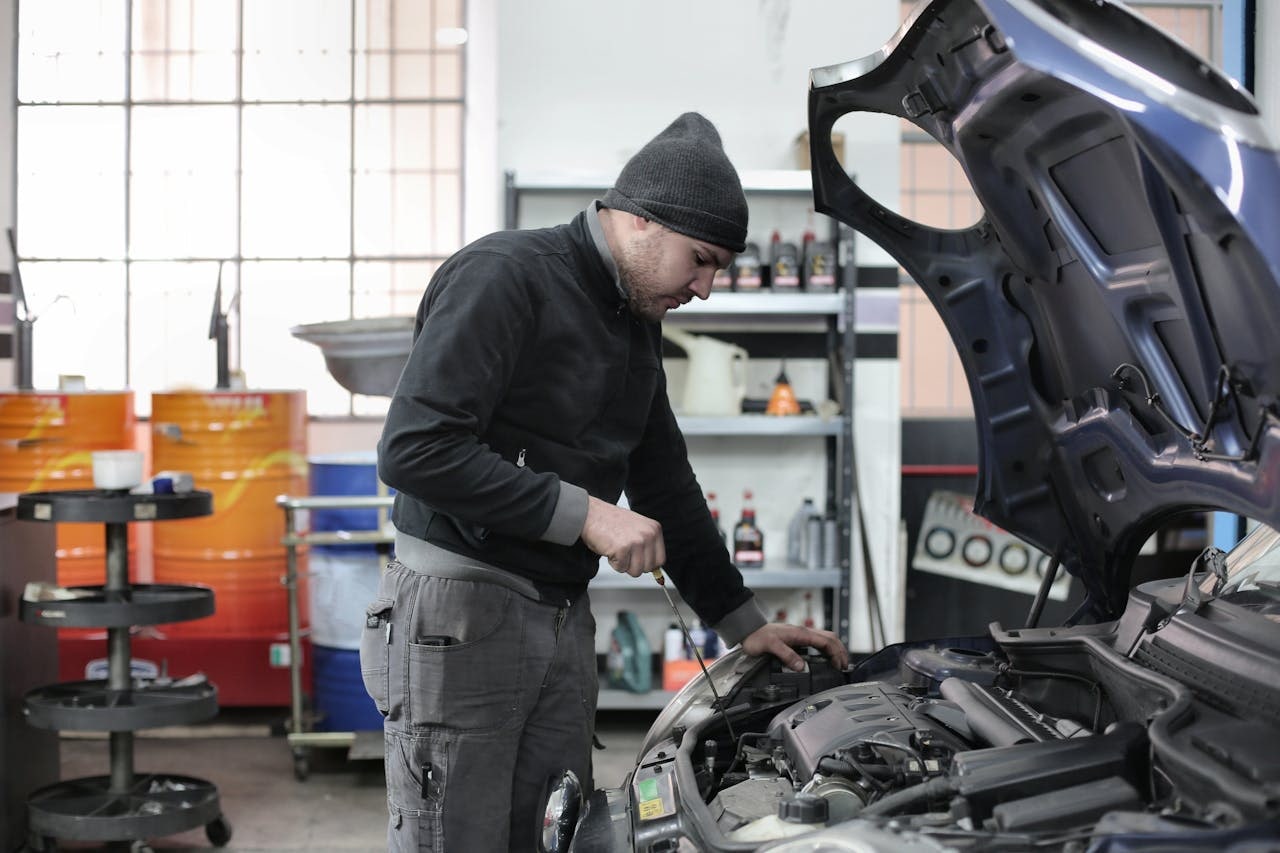
When you drop off your car for service, you're trusting someone to get things right the first time. That trust goes beyond friendly customer service or a clean lobby. It really comes down to who's working under the hood. A well-qualified Ford technician can tell the difference between a long-lasting repair and one that causes more problems down the road. Whether it's regular maintenance or something more involved, having the right person on the job matters.
Long Island drivers know how much wear and tear comes from daily commutes, changing seasons, and unexpected detours. With so much at stake, you want someone who knows Ford vehicles inside and out. The question is, what makes a technician truly qualified to handle your Ford? From formal training to hands-on skills, there are a few key things to look for to feel confident about your service experience.
Certification and Training
Technicians who work on Ford vehicles need the right foundation to do the job properly. That starts with formal training and recognized certifications. One of the most widely respected credentials is ASE certification. It proves a technician has met certain standards and passed tests on everything from brakes to electrical systems. But general knowledge isn't enough when it comes to a brand like Ford.
Ford has its own factory-backed training programs that help technicians keep up with the newest technology and vehicle design changes. These programs focus entirely on Ford models, preparing service techs to diagnose and repair them the way the manufacturer intended. From newer hybrid engines to updated software systems, staying current is part of the job.
These are a few things to check for when asking about training:
- Current certifications like ASE or Ford Service Technician credentials
- Ongoing training to match updates in Ford designs and technologies
- Experience with updated diagnostic and repair tools specific to Ford vehicles
Nowadays, even basic services like battery replacements or brake checks might involve communication with a vehicle’s onboard computer. That’s why ongoing education isn’t just helpful — it’s part of what makes a technician effective long-term. If your service tech isn’t trained on the latest Ford innovations, mistakes can happen or problems can go undetected, especially with features like safety sensors, adaptive cruise, or SYNC systems.
Experience and Specialization
Qualifications go beyond classroom learning. Experience working hands-on matters just as much, especially with complex systems that can’t be fully learned from a textbook. A technician who has seen and fixed a wide range of Ford issues is more likely to catch something a less experienced person might miss.
Some technicians begin their careers learning general service tasks like oil changes and tire rotations. Over time, they may move into more complex work. The most skilled among them often choose to focus in specific areas of service. That kind of specialization can make a real difference for certain repair jobs.
Here are a few areas where specialization counts:
- Transmission work, including diagnostics and rebuilds
- Hybrid and electric system repairs
- Electrical system troubleshooting and rewiring
- Engine work, including turbocharged or EcoBoost models
For example, if your Ford SUV has been having electrical issues on and off, you’ll want a technician who has years of experience diagnosing wiring problems. Without that background, repairs could take longer or lead to wrong parts being replaced.
Local experience is a bonus, too. A technician who regularly works on vehicles in Suffolk County knows how seasonal conditions affect parts like suspension or brakes. Fall and early winter driving in Long Island can take a toll, between wet roads, debris, and salty air. That area knowledge helps technicians look for wear in the right places during inspections.
Technical Skills and Knowledge
A skilled Ford service technician on Long Island should know more than just the basics. These vehicles come with their own designs, sensors, and systems that are different from other brands. Knowing how Ford technology fits together helps a technician figure out problems faster and fix them right the first time. It’s not just knowing where parts are located. It’s knowing how each part talks to the others, especially when new updates and tech are involved.
Many modern Fords use advanced features like adaptive steering, blind spot detection, and lane-keep assist. Servicing or repairing those features requires comfort with specialized tools. An experienced technician should be able to connect to the vehicle using Ford-specific software to run diagnostics, clear codes, and perform needed system checks. That kind of work goes beyond using a wrench. It involves problem-solving, reading data, and understanding how digital systems work under the hood.
Here are a few examples of the knowledge areas that stand out:
- Using official Ford diagnostic tools to read error codes and system behaviors
- Understanding electrical flows throughout the battery, fuses, and sensors
- Calibrating safety systems like reverse braking and lane assist after a repair
- Troubleshooting engine issues related to turbochargers or hybrid motors
- Familiarity with Ford SYNC updates and software resets
As Long Island weather shifts toward cold and icy conditions in November, techs also need to check and prep certain systems with software-based tools. That can include checking tire pressure monitoring systems, programming remote start features, and recalibrating ABS or traction systems after brake or suspension work. Without strong technical know-how, those details can get overlooked.
Customer Service and Communication
Knowing how to fix a car is one piece of the job. Just as important is knowing how to talk to customers about what’s wrong and what needs to be done. A qualified Ford technician should be comfortable explaining repairs or problems without using confusing terms or talking down to someone. Long Island drivers want their questions answered in plain language, not a list of terms they’ve never heard before.
Good communication helps avoid surprises and sets clear expectations. When technicians can explain what they’ve found and why the repair matters, it creates trust. With larger jobs like timing chain work or transmission repair, that trust matters even more. The customer feels less frustrated and more supported knowing exactly what’s happening and why it costs what it does.
Here’s how great communication can show up during a service visit:
- Breaking down complicated repairs into easy-to-understand steps
- Giving a clear idea of what should be fixed right away and what can wait
- Keeping the customer updated if a repair ends up taking longer than planned
- Letting the customer know what part is being replaced and what caused the issue
- Offering tips on how to avoid the problem again, if it was preventable
A technician who listens just as much as they speak creates a better service experience from start to finish. And because Long Island drivers deal with all sorts of conditions, from salty coastal air and freezing winter mornings to stop-and-go traffic, it really helps when your tech understands local driving and maintenance headaches and can talk through them with you.
Your Trusted Partner for Ford Service
When your car is in the shop, you’re counting on someone to be both skilled and honest. A good Ford technician brings together training, hands-on experience, technical knowledge, and communication. It’s that combination that gives you peace of mind whether you're in for scheduled maintenance or a major repair.
Driving around Suffolk County means your vehicle faces all kinds of wear from local roads and weather. Choosing a Ford service technician on Long Island who understands those specific conditions means a better outcome and fewer return visits.
Working with a trusted team that’s trained, experienced, and always learning ensures your Ford stays dependable, season after season. Investing in professional service now helps your car last longer and perform better down the road. Trust the ones who know your vehicle best so you can stay confident behind the wheel.
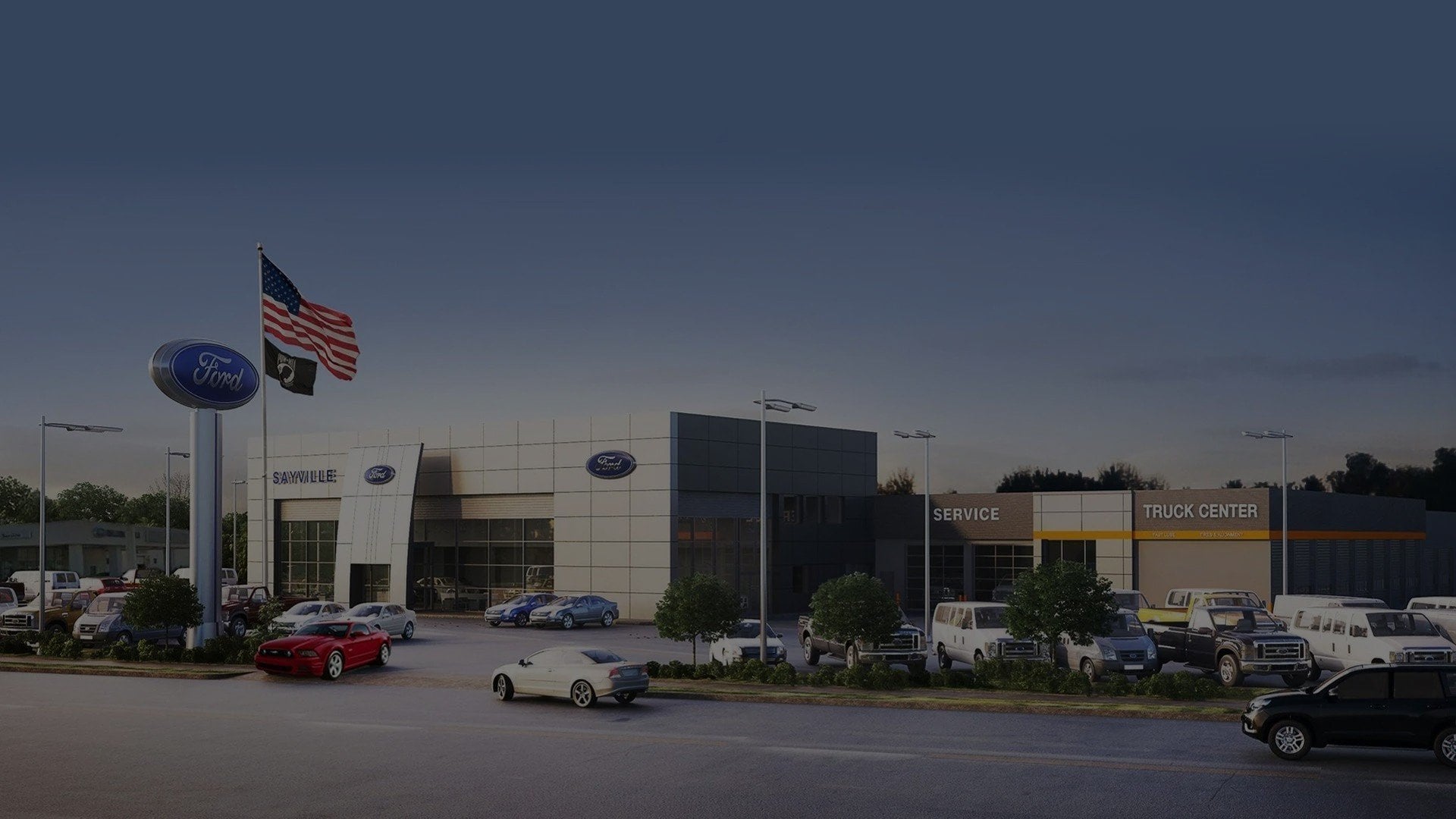
Keeping your Ford operating smoothly is all about connecting with those who know Ford vehicles best. If you're looking for reliable help from a Ford service technician on Long Island, trust the team at Sayville Ford. They're ready to handle whatever issue your vehicle throws your way and make sure it’s ready for every road ahead.