

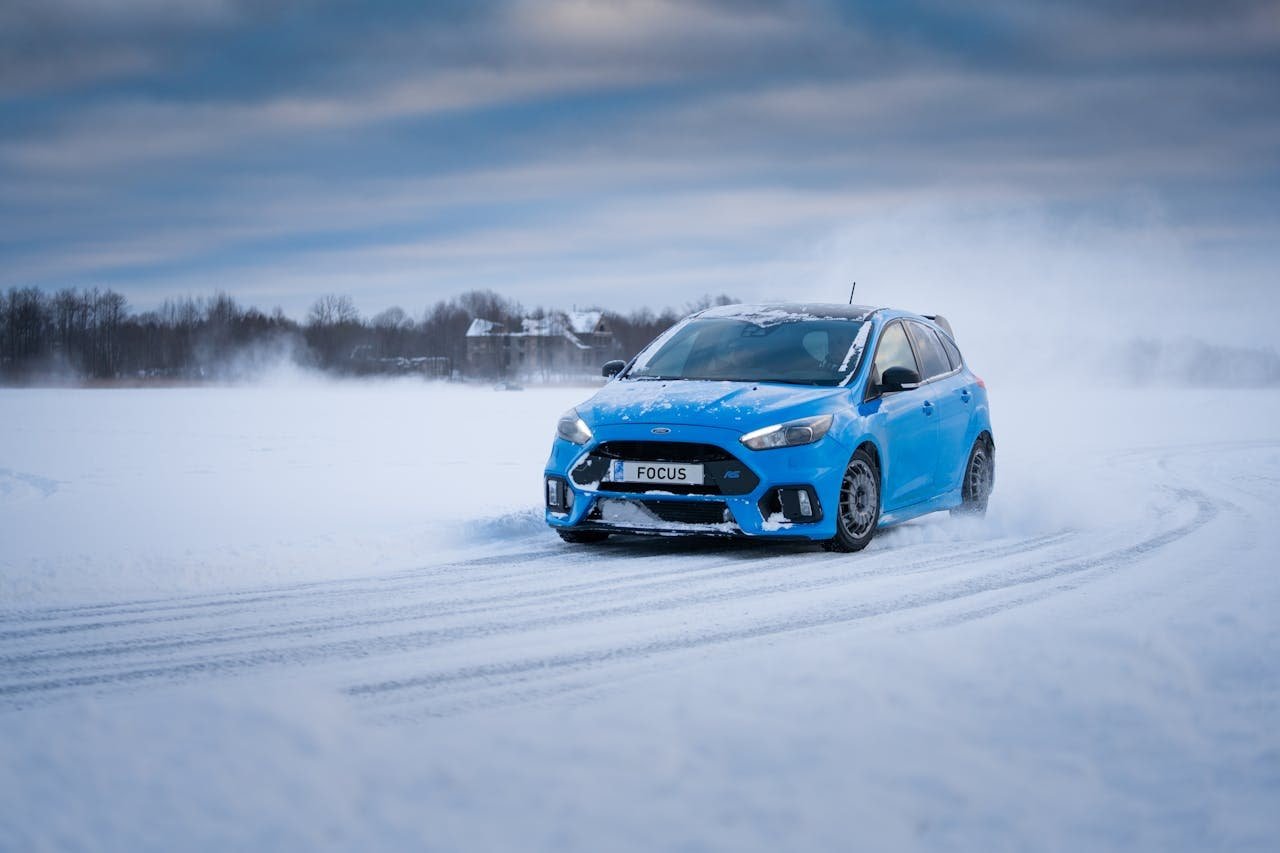
Winter Service Preparation For Your Ford Vehicle
Posted at Sun, Oct 12, 2025 5:00 PM
Winter brings more than just snow and ice for folks living in Suffolk County. It also brings the kind of cold that can make your daily drive tougher on both you and your vehicle. From freezing temperatures to salt-covered roads, your Ford needs a little extra attention before the heart of winter sets in. Skipping out on a winter prep can mean delays, breakdowns, or worse, getting stuck when you least expect it.
Getting your vehicle in shape before the coldest days hit isn't about perfection. It's about making smart moves so you're ready for whatever nature throws your way. Taking a little time now to prepare your Ford can go a long way toward keeping your holiday travels less stressful and your everyday drives more manageable, especially around Long Island where the salt and slush can do a number on your vehicle if you're not ready.
Check And Maintain Your Battery
One of the first places to start with winter prep is under the hood. Cold weather puts more strain on your battery. The chill in the air thickens the engine oil, making the engine harder to turn over. On top of that, batteries can't produce as much power in freezing temps as they can when it's warm, which is why you might notice your car hesitating or not starting at all during a really cold morning.
Here are a few signs your battery might be due for a check before the season turns:
- The engine cranks slowly when starting up
- You notice dimming lights inside or outside your vehicle
- It's been more than three years since your last battery replacement
- You often drive short distances, which doesn’t give the battery enough time to recharge fully
Even if you're not noticing anything yet, it's a good idea to have the battery tested instead of waiting for it to fail. Cold snaps often catch people by surprise, and a quick battery test can help you avoid that pre-commute panic. You want to make sure connections are clean, cables aren't corroded, and everything is secure. Having a pro handle this part saves time and guarantees it’s done right. If your battery needs to be replaced, waiting until it dies could leave you stuck in your driveway.
Inspect And Replace Tires
Tires are another thing that can catch folks by surprise. A tire might look fine in October, but turn into trouble once the roads freeze over in January. That’s because the rubber in all-season tires gets harder when the temps drop, which reduces grip. Winter tires are made with softer rubber that stays more flexible, helping you stop and steer better when roads are slick.
You also need to take tire pressure into account. As the temperature falls, so does your tire pressure. That leads to lower fuel efficiency, wonky handling, and faster tire wear if left unchecked. It's easy to miss this until the warning light pops up, or worse, until something feels off during a drive.
During winter prep, take the time to:
- Check the tire tread with a penny test or tread gauge
- Look for uneven wear, which might mean alignment or suspension issues
- Monitor tire pressure weekly, especially after any big weather swings
- Swap to winter tires if you're frequently on icy or snow-covered roads
- Rotate your tires if you're due for it. It helps them wear more evenly
Regular tire checks and replacements, if needed, help give you peace of mind. You’ll want your vehicle to feel stable when cornering or stopping on icy patches, especially on Long Island roads that can change quickly from clear to slick overnight.
Ensure Your Heating And Defrosting Systems Are Working
When temperatures drop, staying warm inside your vehicle isn’t just about comfort, it’s about safety. A heating system that doesn’t work well can turn a short morning commute into a cold, frustrating ride. But it’s more than just the heat. You also need to make sure your defrosters are strong enough to keep your windshield and windows clear. Fogged-up or frosted glass can block your vision in seconds, putting you at risk.
To get ahead of any heating or defrosting issues, it helps to test your HVAC system before winter fully settles in. Turn on the heat and check how long it takes to warm up. Listen for any strange noises from the vents or under the hood. If the air stays cold or takes forever to heat up, it could be a sign your heater core or thermostat is having trouble. For defrosters, make sure both front and rear systems are working. If the rear defroster lines aren’t clearing frost, it might be as simple as a blown fuse, but it’s better to find out now than during a snowstorm.
Spotting these things early can save you from driving with thick gloves and foggy glass. One local driver shared how he ignored weak heat in the fall and ended up scraping his windshield with a credit card during a January deep freeze. A quick check in October could’ve saved him from that mess.
It’s also smart to make sure your cabin air filter is clean and working right. A clogged filter can mess with airflow, making both the heater and defroster less effective. Fresh filters help heat move better through the vents and help keep the cabin air clean while you’re all bundled up in there.
Top Off And Replace Fluids
Cold temperatures don’t just affect parts on the outside of your car. They mess with the fluids flowing through it too. Oil, antifreeze, windshield washer fluid, they all behave differently when the weather turns icy. Some even thicken up and stop doing their job if left unchecked, which can leave you dealing with bigger issues down the road.
Here are a few key fluids to put on your winter checklist:
- Engine oil: Make sure it's suited for winter weather. Thicker oil can slow your engine down in cold temps
- Antifreeze (coolant): Keeps your engine from freezing and overheating. If it’s running low or is dirty, it should be flushed and replaced
- Windshield washer fluid: You’ll use a lot more of this in the winter to keep your windshield clear. Skip the summer mix, it’ll freeze
- Brake fluid and transmission fluid: These don’t need regular topping off like washer fluid, but winter is a smart time to inspect them for leaks or dirty fluid
Fluid checks are often overlooked, but they make a big difference once the weather starts flipping between wet, cold, and slushy. If a fluid is old or not mixed right for cold weather, it can lose its performance fast. That’s when problems start stacking up, slow starts, poor visibility, and even overheating.
So don’t wait until you hear weird noises or see a warning light. A quick check now means fewer headaches all winter long.
Take Advantage Of Ford Service Specials On Long Island
Getting ready for winter doesn’t have to be stressful, and it doesn’t have to break the bank either. Around this time of year, many dealerships offer seasonal service specials to help drivers prep their vehicles for colder conditions. These deals can include discounted tire changes, battery testing, and even multipoint inspections. They tend to focus on the parts of your car that take the hardest hit when temperatures drop.
If you're in Suffolk County or nearby, it's smart to check for Ford service specials on Long Island. Local drivers can save time and money by bundling multiple services into a single visit. That might include checks on brakes, belts, hoses, and electrical systems. These are things that are easy to miss until they stop working.
These specials are usually limited to the fall and early winter, so locking in an appointment before the rush hits is a solid move. It’s common for shops to book up as soon as the first cold snap hits, especially when drivers suddenly notice dead batteries or slipping tires. You’ll save yourself a lot of stress by planning ahead, and your vehicle will be much more ready for the months ahead.
Instead of waiting for that first below-freezing night, get a jump on winter prep while there’s still time to catch any small issues. And if your car hasn’t had a full checkup in a while, using those specials can be a great way to cover your bases without overthinking it.
Get Ready for Winter Driving with Sayville Ford
None of these steps take hours, and most can be done in a single visit. And yet, each one makes a big difference once snowy, icy weather hits Long Island. Whether you’re heading to work in the morning or picking up groceries in a blizzard, a well-prepped vehicle can change how you handle the road.
Think of it like packing warm clothes before a road trip. You may not need that scarf or second coat right away, but when things get cold fast, you'll be glad you came prepared. Winter weather is unpredictable, but your vehicle doesn't have to suffer because of it. A smart, simple preparation plan keeps everything running smoother and helps you avoid those freezing roadside surprises.
Preparing your vehicle for winter doesn’t have to be a hassle. Take advantage of Ford service specials on Long Island to ensure your car is ready for the season ahead. Our team at Sayville Ford is here to help with everything you need, from checking fluids to inspecting tires. Don’t let winter catch you off guard—schedule your service today and drive with confidence all season long.