

Mastering Ford Brake Service in Suffolk County Traffic
Posted at Wed, Apr 8, 2026 9:00 AM
Stop Sooner, Stress Less in Suffolk County Traffic
Brakes are one of the most important safety systems on your Ford, especially when you drive every day in Suffolk County traffic. From stop-and-go delays on Sunrise Highway to sudden slowdowns on the Long Island Expressway, your brakes are working hard every minute you are behind the wheel. When they are in top shape, you stop sooner, feel more in control, and stay calmer in busy traffic.
In this article, we will walk through how local driving affects your brakes, the signs they need attention, what professional Ford brake service includes, and how to get ready for heavier spring and summer driving. When you understand how your brakes work and how they wear, it is much easier to keep your Ford safe for you and your family.
Why Suffolk County Driving Is Tough on Brakes
Driving around Long Island is not gentle on a brake system. Daily trips through Sayville, Patchogue, Bay Shore, and nearby towns mean constant starting and stopping. Those short hops from village streets to main roads might not add a lot of miles, but they put a lot of pressure on your brakes.
Here are local conditions that can speed up brake wear:
- Stop-and-go traffic on Sunrise Highway and the LIE
- Frequent traffic lights, stop signs, and crosswalks in town centers
- Coastal humidity that can encourage rust on brake components
- Potholes and rough patches from winter weather that shake the suspension and brakes
Short city-style trips are harder on brakes than steady highway driving. When you drive from one town to the next, you:
- Press the brakes more often
- Build up more heat in pads and rotors
- Give the brakes less time to cool down between stops
This kind of driving can wear out pads and rotors faster than the generic brake intervals listed in a manual. That is why it helps to think about how you actually use your Ford, not just how many miles you drive. Suffolk County drivers often need brake checks sooner than someone who does long, easy highway runs.
Key Warning Signs Your Ford Brakes Need Attention
Your Ford usually gives you clear signals before the brakes become a serious problem. Paying attention to these early signs can keep you safer and can help prevent small issues from turning into bigger repairs.
Common warning signs include:
- Squeaking or squealing when you brake
- Grinding noises that sound like metal on metal
- A vibration or pulsing in the brake pedal or steering wheel
- A brake pedal that feels soft, spongy, or sinks lower than usual
- Longer stopping distances, even with a normal press on the pedal
There are also a few simple checks you can do between service visits:
- Look through the wheel openings to see if the pads look very thin
- Notice if the brake warning light comes on in the dash
- Check for a burning or sharp chemical smell after heavy braking in traffic
- Look at the brake fluid level in the reservoir, if you are comfortable doing so
If something feels off, it is better to treat it as a safety flag. Fixing worn pads early can protect your rotors and calipers. Waiting too long can lead to deeper grooves, overheating, and parts that need full replacement instead of a simple service.
What Professional Ford Brake Service Really Includes
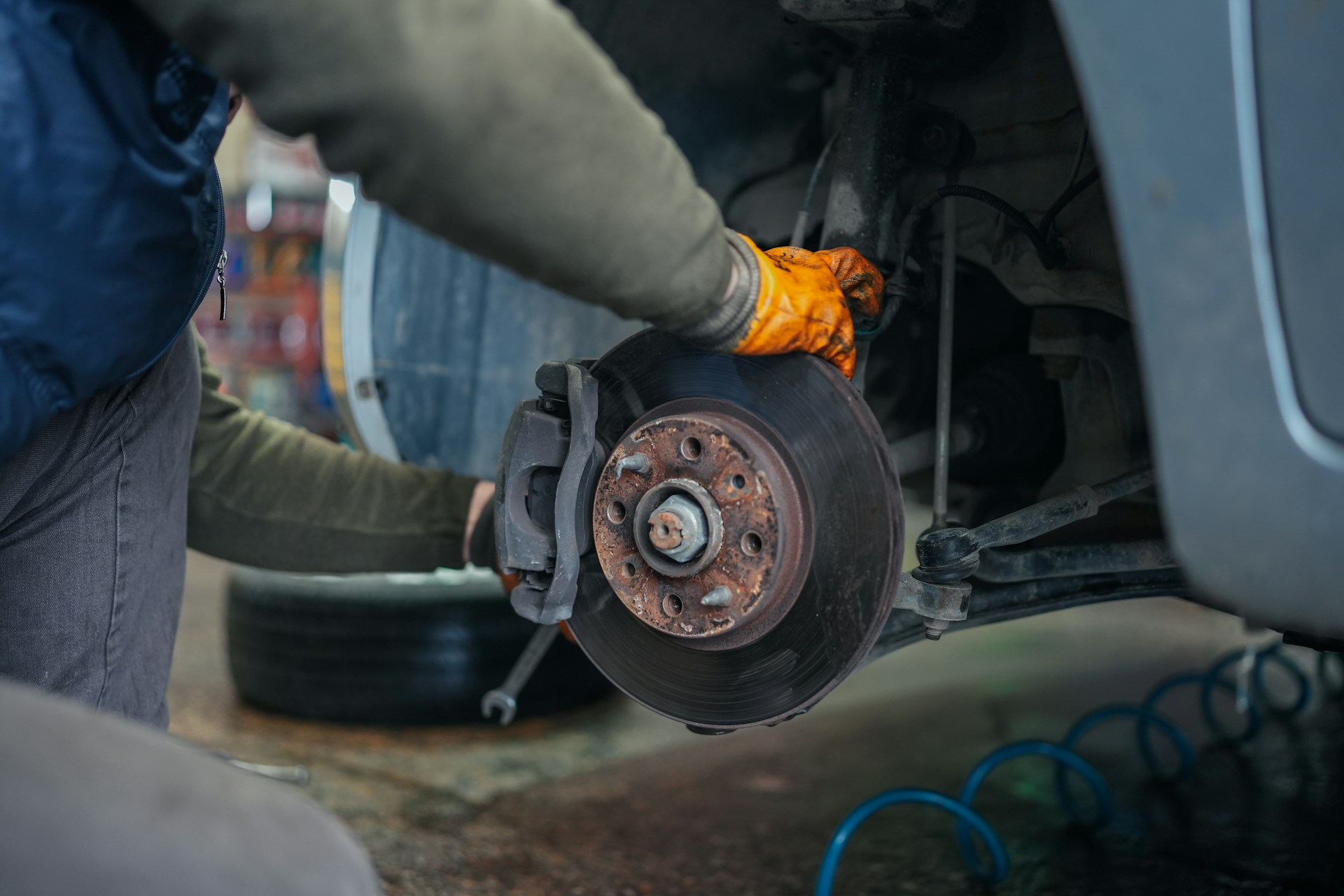
Professional brake service on your Ford is much more than just popping in new pads. At a Ford-focused service department, your brake system is looked at as a whole, not just one part at a time.
A typical Ford brake service visit often includes:
- Measuring and inspecting brake pads and rotors on each wheel
- Checking calipers for proper movement and signs of sticking or leaking
- Inspecting brake lines and hoses for cracks, leaks, or damage
- Looking at brake fluid level and condition
Using Ford-approved parts and procedures matters because every Ford model is built a bit differently. Pads and rotors that are designed for a specific model, like an F-150, Explorer, Escape, or Bronco, are made to match that vehicle’s weight, brake system design, and typical use. The right parts help you get quiet, smooth stops and consistent performance.
During service, a technician also decides whether to resurface or replace rotors. Resurfacing can be an option if the rotor has enough thickness left and the surface can be smoothed evenly. If it is too thin, badly worn, or damaged, then replacement is usually the safer choice. Correct torque on wheel nuts, proper lubrication on slide points, and a careful test drive at the end all help your Ford brake straight, stop quietly, and feel stable.
Seasonal Brake Prep for Long Island Spring and Summer
Spring and early summer change how your brakes are used. As the weather warms up, more drivers head out for beach days, day trips, and visits to friends and family. That means higher speeds on the way out east and more packed parking lots near the shore.
Winter can leave behind:
- Road salt that encourages rust on brake hardware and backing plates
- Potholes and rough roads that stress suspension and braking parts
- Moisture buildup that can affect exposed metal surfaces
A smart move before road trip season is a seasonal brake check that includes:
- A close look at pad and rotor thickness on all four wheels
- Inspection of brake hoses and lines for winter damage
- Review of brake fluid level and condition
- Making sure the parking brake works smoothly and fully releases
To help your brakes last longer in warmer weather, try these habits when it is safe to do so:
- Avoid riding the brakes downhill, use lower gears and gentle, steady braking instead
- Leave more space between you and the car in front during rainy spring days
- Slow down earlier for red lights or traffic jams, rather than braking hard at the last second
- Give your brakes a short break after long, heavy use in stop-and-go traffic
These small changes can keep your brakes cooler and reduce wear over time.
Why Local Ford Brake Expertise Matters
Ford brake service in Suffolk County should match how and where you actually drive. A service team that works every day with local drivers understands Sunrise Highway delays, village traffic near Sayville, and the mix of short trips and longer drives toward the Hamptons. That local knowledge helps shape smarter recommendations for when to inspect and service your brakes.
At a Ford-focused service center, you also benefit from:
- Technicians who work with Ford models all day and know common brake patterns
- Diagnostic tools that are built for Ford systems
- Genuine Ford or Motorcraft parts designed for your specific vehicle
- Service processes that help keep factory warranties in good standing
Convenience matters for Suffolk County drivers too. Being able to plan service around your workday or your commute, wait in a comfortable area, and review clear estimates before brake repairs are started can take a lot of the stress out of maintenance. With the right support, staying on top of brake care feels less like a chore and more like a simple part of keeping your Ford ready for whatever local traffic throws your way.
Keep Your Ford Stopping Safe and Confident
When you are ready to address brake noise, longer stopping distances, or just stay ahead on maintenance, schedule your Ford brake service in Suffolk County with Sayville Ford. Our factory-trained technicians use the right parts and diagnostic tools to help keep your brakes performing the way they should. If you have questions about symptoms you are noticing or want help booking an appointment, contact us and we will walk you through your next steps.