

How Long Island Weather and Road Salt Affect Your Ford’s Brakes
Posted at Wed, May 13, 2026 9:00 AM
Long Island weather is rough on brakes, especially on Fords that handle daily commuting, school runs, and weekend trips. Between salt, sand, rain, and traffic, your brake system takes a beating even when everything still feels normal behind the wheel. That quiet wear adds up over time and it can affect how quickly and safely your vehicle stops.
In this article, we will walk through how local weather and road salt affect your Ford’s brakes, what warning signs to watch for, and smart steps to help protect your pads, rotors, and brake lines. We will also talk about why professional Ford brake service in Suffolk County is one of the best ways to keep your vehicle ready for whatever Long Island roads throw at it.
Long Island Roads Are Tough on Your Ford’s Brakes
Driving around Long Island is not easy on brakes. We have a coastal climate with lots of moisture in the air, frequent rain, winter storms, and heavy traffic on roads like Sunrise Highway, the Long Island Expressway, and local streets.
All of that means:
- More stop-and-go driving
- More water, sand, and salt on the road
- More sudden braking in traffic
From wet springs to salty winters, these conditions slowly wear down brake parts. Rust can start on the rotors, pads can glaze, and hardware can corrode long before you notice a big change in how the pedal feels.
The good news is that if you know what to look for, you can catch weather and salt issues early. With the right brake care from a professional team, you can protect your Ford’s stopping power, stay safer, and help avoid bigger repair bills later.
How Long Island Weather Wears Down Your Brakes
Each season brings its own brake challenges on Long Island.
- Spring: Wet roads, leftover salt, and sand can stick to your brakes and undercarriage.
- Summer: Heat and heavy traffic create lots of hard stops and high brake temperatures.
- Fall: Leaves, dirt, and debris collect around wheels and can hold moisture.
- Winter: Snow, ice, and freezing rain mean more braking and more salt on the road.
Moisture and temperature swings are hard on metal and friction materials. Here is how they can affect your Ford:
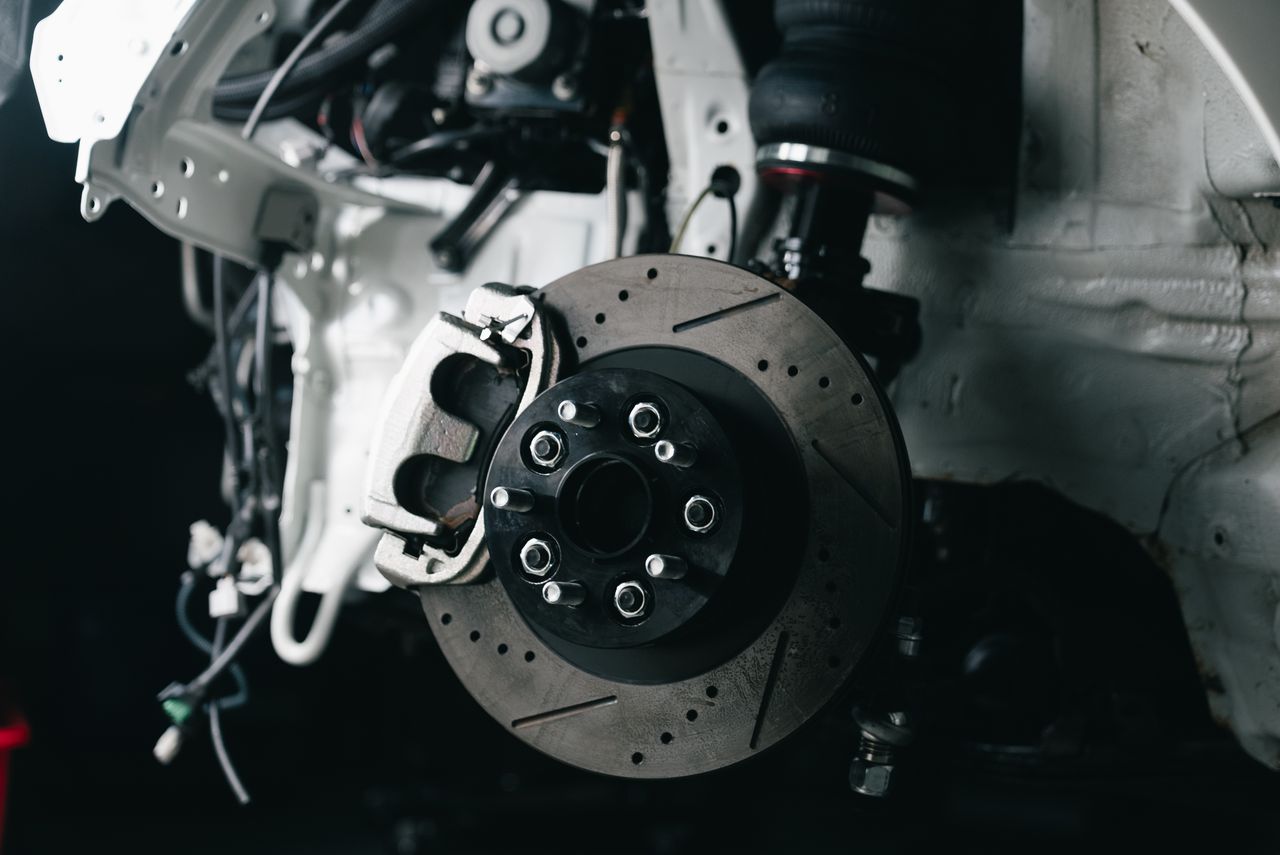
- Rotors can develop surface rust, which can turn into pitting or grooves over time.
- Calipers can start to stick if moisture causes internal corrosion or gums up slides.
- Brake pads can weaken, crack, or wear unevenly when exposed to grit and heat cycles.
Vehicles that are parked outdoors or closer to the water often see faster rust and corrosion. Salt air and damp conditions do not give brake parts much time to dry out.
On top of that, local driving patterns add stress. Short trips around towns like Sayville, Patchogue, and Bay Shore mean your brakes rarely get a long, steady run. Constant stop signs, traffic lights, and tight parking lots force frequent, sometimes hard, braking that wears pads and rotors much faster than open highway driving.
The Hidden Damage Road Salt Causes
Road salt and brine mixtures are helpful for traction in winter, but they are tough on the underside of your Ford. When salt mixes with water, it speeds up corrosion on exposed metal parts.
Key areas that are at risk include:
- Brake lines and hoses
- Rotors and calipers
- Pad hardware and backing plates
- Parking brake components
Slushy, salty grime can pack into tight spaces behind your wheels and splash shields. If it sits there, it can cause:
- Seized calipers that do not release fully
- Uneven pad wear from stuck slides or frozen hardware
- Pitted or flaky rotors that make the pedal pulse
- Weak or leaking brake lines in severe cases
Salt damage usually builds up over several winters, not just one. It often starts where you cannot see it, so the brakes might still feel okay until stopping distances quietly get longer, or a warning light comes on.
Warning Signs Your Ford Needs Brake Attention
You do not need special tools to notice early brake trouble. Some common signs include:
- Squealing, chirping, or grinding sounds when you brake
- Vibration or pulsing in the pedal or steering wheel
- A soft, spongy, or low brake pedal
- The vehicle pulling to one side when braking
- A burning or hot chemical smell after heavy braking
Many Long Island drivers notice these issues more in late winter or early spring. That is when months of salt, cold starts, and pothole hits show up as warped rotors, worn pads, or damaged hardware.
Ignoring these early signs can let corrosion spread and wear get worse. A simple pad replacement can turn into a job that also needs rotors, calipers, or even sections of brake line if you wait too long. Catching problems right away usually means less damage and better safety.
Proactive Steps to Protect Your Brakes Year-Round
There are a few simple habits that can help your brakes hold up better on Long Island, especially through our wet and salty months.
Helpful routines include:
- Using a car wash with an underbody rinse after winter storms
- Giving your wheels and wheel wells a quick hose-down when they look salty
- Steering around deep, slushy puddles of salty water when it is safe to do so
- Parking in a garage or driveway away from standing water when possible
A seasonal brake check schedule is also smart:
- Spring: A post-winter brake inspection to look for salt damage or rust.
- Mid-summer: A check before any long road trips or hauling.
- Pre-winter: A visit to confirm pad thickness, rotor condition, and brake fluid health.
Keeping clear records of these services helps you track how quickly your pads and rotors wear in local driving. Using genuine Ford parts helps ensure the materials and design match what your specific vehicle was built for, which supports strong stopping power and better resistance to corrosion.
Why Professional Ford Brake Service Matters
When it comes to weather and salt damage, a quick look at the pads is not enough. Professional Ford brake service in Suffolk County gives your vehicle a deeper inspection and care that match the conditions we see in our area.
A thorough brake service typically includes:
- Checking pad thickness and wear patterns
- Measuring rotors and checking for rust, grooves, or warping
- Inspecting calipers, slides, and hardware for sticking or corrosion
- Examining brake hoses and lines for rust or leaks
- Testing brake fluid condition and levels
Factory-trained technicians who work with Ford vehicles every day understand how systems on models like the F-150, Explorer, Escape, and Bronco behave in real Long Island driving. They have access to Ford-specific diagnostics and updates that help them spot problems earlier and fix them the right way.
Using OEM Ford parts and approved fluids also matters. These parts are designed to work with your Ford’s brake system and to handle our mix of humidity, heat, and winter salt better than generic options. With the right parts and service, you give your brakes the best chance to stay strong through every season.
Taking these steps before the next stretch of bad weather or heavy traffic can make a real difference in safety, comfort, and the long-term health of your Ford’s braking system. At Sayville Ford, we understand how local roads and climate affect your vehicle, and we are here to help keep your brakes ready for whatever comes next.
Protect Your Ford’s Brakes With Local Experts You Can Trust
If you have noticed squeaking, grinding, or a softer brake pedal, our technicians at Sayville Ford are ready to help you stay safe on Long Island roads. Schedule your Ford brake service in Suffolk County so we can inspect for rust, corrosion, and wear before they turn into bigger problems. We will explain what we find in plain language and review your options so you can make a confident decision. If you have questions before booking, just contact us and we will be happy to help.