

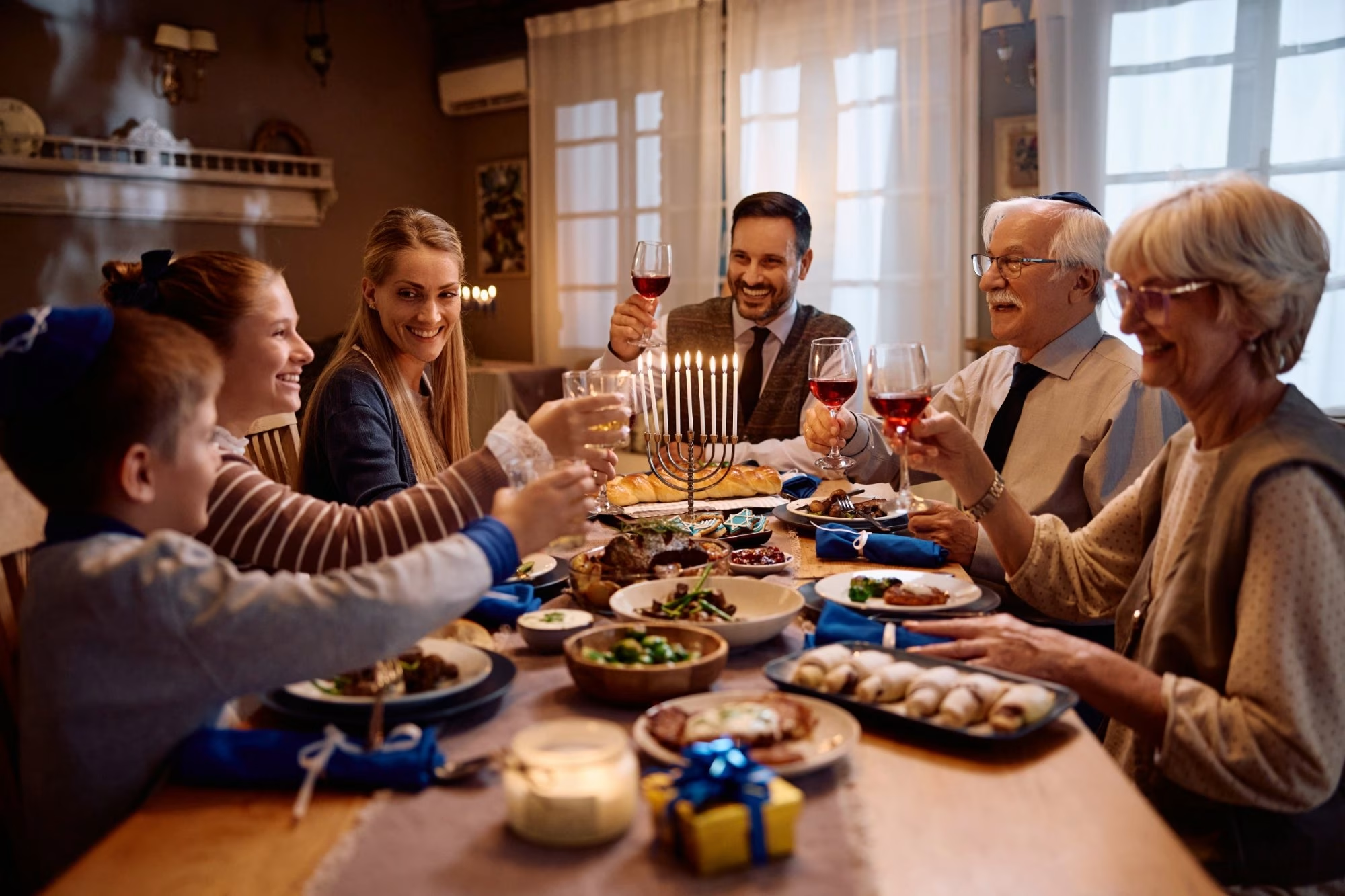
Lighting the Menorah: Hanukkah Traditions in Sayville Homes
Posted at Fri, Dec 4, 2026 4:00 PM
THE SHORT ANSWER
Hanukkah in Sayville follows the same core traditions found everywhere: lighting the menorah in a window for eight nights, eating foods fried in oil like latkes and sufganiyot, and playing dreidel with gelt as the prize. Local color comes through in small ways, from public menorah lightings near the Great South Bay to bakeries stocking sufganiyot each December.
When the first candle gets lit in windows across Sayville this December, it marks one of the warmest weeks of the whole winter. Sayville Ford has watched neighbors celebrate Hanukkah for generations, and this guide walks through the traditions, foods, and small rituals that make the eight nights feel like home.
IN THIS POST
The Menorah's Place in the Window
Every Hanukkah lamp tells the same old story, but where you set it says something too. Jewish families have long placed the menorah, or hanukkiah, in a window facing the street, a custom rooted in the idea of publicizing the miracle so passersby can see the lights.
Walk through the side streets off Main Street or near Foster Avenue after sundown during the holiday and you'll spot those glowing windows one by one. The lamp holds nine branches in total: eight for the nights of Hanukkah, plus one set apart, usually a little higher, for the shamash, or helper candle.
That separation isn't decorative. The eight main candles exist only to be looked at and enjoyed, never used for anything practical like reading by, so the shamash does the actual work of lighting the others and often sits in its own holder off to the side.
Lighting Night by Night
On the first night, one candle gets placed on the far right of the menorah, and a second joins it the next night, moving right to left as the week goes on. Lighting, though, happens in the opposite direction: you light the newest candle first, moving left to right, so by the final night all eight burn together.
Three blessings get said on the first night, two on each night after that, and many families sing a song or two once the candles are lit. Timing matters less than people think; while tradition calls for lighting at sundown, busy households often wait until everyone's home, sometimes well into the evening.
A Few Practical Notes
- Candles should burn for at least thirty minutes after dark
- Keep the menorah on a stable, heat-safe surface away from curtains
- Electric menorahs work fine for apartments or safety-conscious households
- Many families keep a backup menorah for kids to light their own
Oil, Latkes, and the Taste of the Miracle
Hanukkah foods trace straight back to the original miracle: a day's worth of oil that burned for eight nights in the rededicated Temple. That's why fried foods take center stage at nearly every table, not as a side note but as the whole point of the meal.
Latkes, crisp potato pancakes fried until golden, show up at almost every Sayville Hanukkah gathering, usually served with sour cream or applesauce, sometimes both if the table's divided on the question. Sufganiyot, jelly-filled doughnuts, have become just as common, especially among families with kids who'd rather eat dessert than argue about toppings.
Recipes get passed down and argued over in equal measure. Some households swear by russet potatoes grated by hand; others won't touch a latke that wasn't made in a food processor. Either way, the smell of oil in the kitchen is as much a sign of the season as any candle in the window.
Dreidels, Gelt, and the Games Kids Remember
Once the candles are burning and the kitchen smells like latkes, the dreidel usually comes out. The four-sided top carries a Hebrew letter on each face, and the simple gambling game played with chocolate coins or small coins has entertained kids at Sayville Hanukkah parties for decades.
Gelt, those foil-wrapped chocolate coins, started as a way to teach children about charity and savings before it became mostly a snack. Many families still set aside a portion for giving, matching the historical habit of handing out small amounts of real money during the holiday.
Gift-giving varies a lot from household to household. Some families do one small gift each night; others save bigger presents for a single night and keep the rest of the week focused on food, games, and company. Neither approach is more correct than the other, and most families land on whatever keeps the kids patient through eight nights.
Hosting Your Own Hanukkah Night
If you're hosting for the first time, or just want to make the night easier, a few things go a long way. Set the menorah somewhere everyone can gather around for the lighting, then move the meal to a separate space so there's no rush to clear candles off a crowded table.
Keep a tray or sheet pan under the menorah to catch wax drips, especially if you're using a lamp with multiple oil cups or taper candles rather than an electric version. Lay out latkes buffet-style with a few topping options so guests with different tastes can serve themselves without holding up the line.
Games help fill the time between lighting and eating. A dreidel tournament with a small gelt prize keeps kids occupied while the adults talk, and it costs next to nothing to set up. Most importantly, don't over-plan the evening; Hanukkah gatherings tend to work best when there's room to linger.
Hanukkah Around Sayville
Sayville's Jewish community isn't huge, but it's steady, and the holiday shows up in quiet, familiar ways around town. Public menorah lightings happen in parts of the broader Islip area most years, often drawing families who don't belong to a synagogue but want their kids to see the tradition marked outside the home.
Local bakeries sometimes carry sufganiyot for a few weeks each December, and a few shops near Main Street stock dreidels, candles, and gelt during the season for families who didn't stock up early. Neighbors who aren't Jewish often notice the lit windows and ask about them, which is part of the point of placing a menorah where it can be seen.
Long Island winters can be unpredictable, and a cold, clear night near the Great South Bay makes those candlelit windows stand out even more. It's one of the small things that makes this stretch of December feel distinctly local, even though the holiday itself is celebrated the same way in homes far beyond Sayville.
When Hanukkah Shares the Calendar
Plenty of Sayville households celebrate Hanukkah alongside other December traditions, whether that's a spouse's family Christmas or a mixed circle of friends with different backgrounds. There's no single right way to blend the two; some homes keep the menorah and a Christmas tree in separate rooms, others set them up side by side without much fuss.
Interfaith families often develop their own small customs over the years. One household might do latkes on Hanukkah and a big dinner on Christmas Eve, treating both as equally important without mixing the symbols together. Another might fold dreidel games into a bigger holiday party that covers both occasions in one evening.
Kids in these households tend to pick up on both traditions naturally, often without the confusion adults worry about. What usually matters most isn't getting every custom exactly right, but making sure the reasons behind each one get explained along the way, so the holiday stays meaningful rather than just decorative.
Passing the Traditions Down
Menorahs have a way of becoming family heirlooms, even the simple ones bought at a local shop decades ago. A grandparent's lamp, a little tarnished and missing a branch or two, often means more at the table than a brand-new one would, and plenty of Sayville families light an old menorah right alongside a newer one the kids picked out themselves.
Recipes work the same way. A latke recipe written on an index card, stained with oil and barely legible, tends to outlast any cookbook on the shelf. Kids who grow up grating potatoes next to a parent or grandparent usually end up doing the same thing with their own kids someday, often without even realizing where the habit started.
That's really the heart of Hanukkah in a town like Sayville: eight nights that repeat every year, small and familiar, but never quite the same twice depending on who's gathered around the table.
Where
5686 Sunrise Hwy
Sayville, NY
Call
KEY TAKEAWAYS
- The menorah is lit in the window to publicize the miracle, with the shamash candle used to light the other eight.
- Fried foods like latkes and sufganiyot commemorate the oil that burned for eight nights.
- Sayville families blend old heirlooms, local bakery traditions, and sometimes interfaith customs into their own version of the holiday.
FAQ
Common questions
What is a shamash and why is it different from the other candles?
The shamash is the helper candle used to light all the others on the menorah. It usually sits higher or off to the side because the remaining eight candles are meant only for viewing, not practical use, so the shamash does the actual lighting.
Which direction do you add and light the candles?
Candles get placed on the menorah from right to left, adding one more each night. When lighting, the order reverses, so you light the newest candle first, moving left to right.
Where should a menorah be placed in the home?
Tradition calls for placing it in a window facing the street so the lights can be seen from outside, which is why so many Sayville homes have a lit menorah visible after dark during the holiday.
Why are latkes and other fried foods part of Hanukkah?
They commemorate the small amount of oil that burned for eight nights in the Temple. Latkes and sufganiyot, both fried in oil, became the holiday's signature foods for that reason.
Is it common for interfaith households to combine Hanukkah and Christmas traditions?
It's quite common, and there's no single correct way to do it. Many families keep the two separate but equally celebrated, while others blend games, meals, or decor into one shared holiday season.
Want to see it in person?
Browse what is on the lot right now, or come by and see it in person.
Or call (631) 589-4800 · 5686 Sunrise Hwy, Sayville