

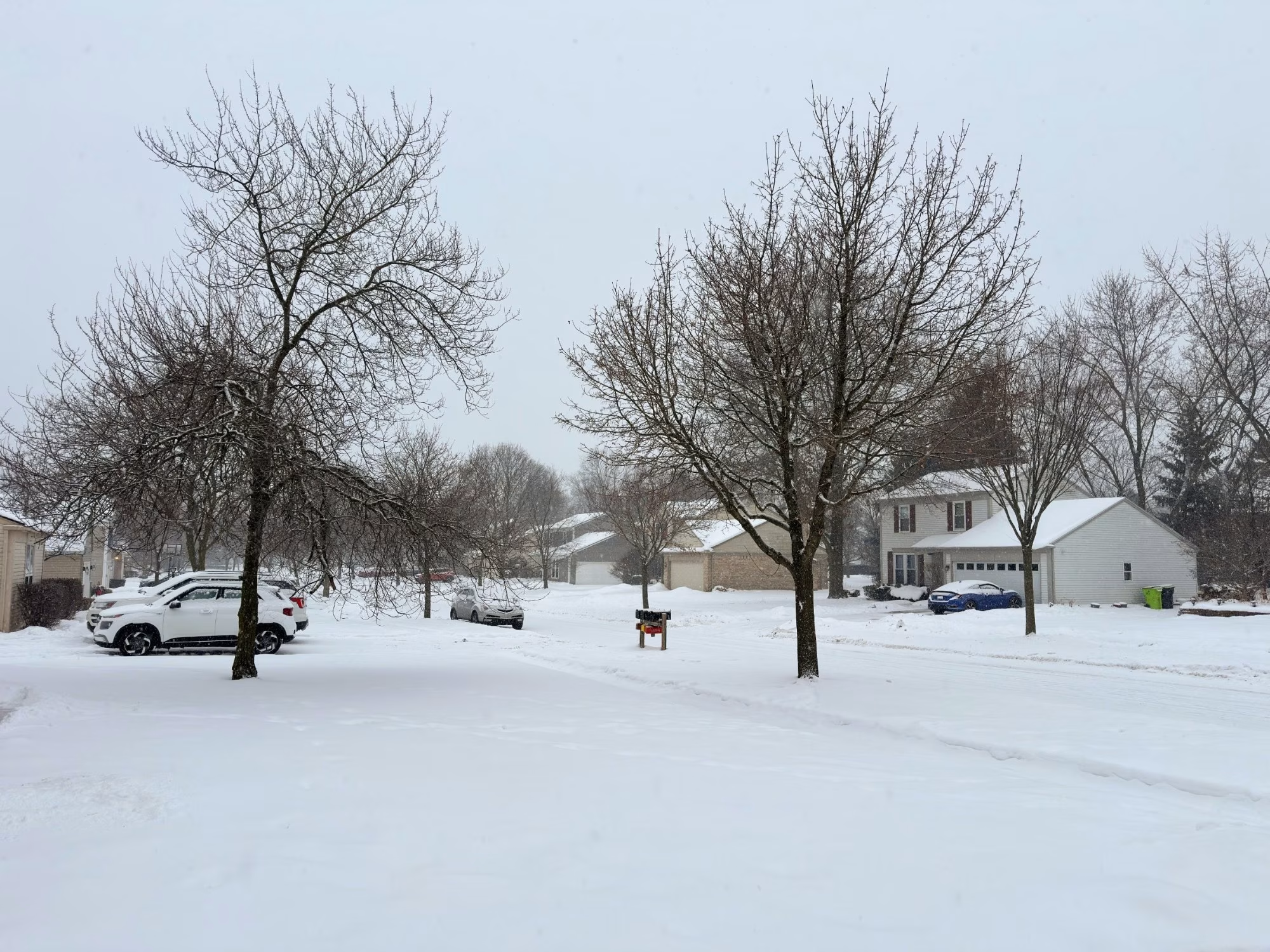
Keeping Sayville Homes Cozy as Temperatures Drop
Posted at Thu, Dec 24, 2026 1:00 PM
THE SHORT ANSWER
To keep a Sayville home cozy as temperatures drop, start by finding and sealing drafts, then get your heating system serviced and set your thermostat sensibly. Protect pipes from freezing, keep CO and smoke alarms working, and have a simple plan ready for winter storms and power outages.
When the wind picks up off Great South Bay and the first hard frost settles on the lawns, most of us in Sayville start thinking about how to keep the house warm without the heating bill going through the roof. Here at Sayville Ford, we spend the winter around people who drive in from all over the South Shore, and the same questions come up every December: where's the cold getting in, and what's actually worth fixing? Here are the tips we'd share with a neighbor over coffee, from sealing drafts to getting ready for a nor'easter.
IN THIS POST
Find the Drafts First
Before you touch the thermostat, find out where the warm air is leaving. In a lot of Sayville houses, especially older capes and ranches, the trouble spots are the same: gaps around doors, loose window sashes, and an attic hatch nobody has thought about in years.
A breezy evening is the best time to look. Walk the house with a lit incense stick or a thin strip of tissue and hold it near likely leaks. If the smoke drifts sideways or the tissue flutters, you've found one.
Check these spots in particular:
- Exterior door frames and the gap under each door
- Window frames, sashes and the locks that pull them tight
- Outlets and switch plates on outside walls
- Attic hatches and pull-down stairs
- Places where pipes, cables and dryer vents pass through walls
Write down what you find as you go. A simple draft map turns a vague feeling that the house is chilly into a short to-do list you can knock out in a weekend. It also tells you whether you need a tube of caulk or a call to a contractor.
Seal Up the Easy Gaps
Most of what turns up on that walk can be fixed with inexpensive supplies from any local hardware store. Weatherstripping and caulk do most of the heavy lifting, and neither takes special skill.
Doors
Peel-and-stick foam works well on door stops where the gap is even. Where daylight shows under a door, a screw-on door sweep closes it off and lasts for years. Don't forget the door between the house and the garage, which often lets in more cold than the front entry.
Windows
Run a bead of exterior-grade caulk where trim meets siding, and interior caulk where trim meets plaster or drywall. For drafty older windows, a clear plastic shrink-film kit is cheap, nearly invisible once you tighten it with a hair dryer, and peels off in spring.
Small foam gaskets behind outlet and switch covers on exterior walls take seconds to install. Attic hatches deserve a strip of weatherstripping plus a piece of rigid foam board glued to the top. Together, these fixes rarely take more than an afternoon, and you'll feel the difference the first windy night.
Give Your Heating System a Checkup
Your furnace or boiler is about to work harder than it has all year, so a little attention now pays off in January. If you have forced air, change the furnace filter. A clogged one makes the blower strain and leaves some rooms warmer than others, so check it monthly through the heating season and swap it when it looks gray and dusty.
Plenty of homes around Sayville run on hot-water baseboard or radiators instead. When some sections stay cold while others run hot, trapped air is often to blame. Bleeding radiators with a small key, a rag and a cup for drips is an easy homeowner job, though if you're unsure about your system's pressure, leave it to a pro.
A yearly visit from a licensed heating technician is worth booking before the first deep freeze, when their calendars fill up. They'll clean the burner, check the flue and confirm everything is running safely.
While you're in the basement or utility closet:
- Clear storage boxes away from the furnace or boiler
- Vacuum supply and return vents upstairs
- Make sure furniture and drapes aren't blocking registers or baseboards
Smarter Thermostat Habits
Cranking the heat way up doesn't warm a house faster. It just makes the system run longer and overshoot. Steady, sensible settings keep you comfortable and keep the bills in check.
The U.S. Department of Energy suggests around 68°F while you're home and awake, then turning it back several degrees while you sleep or are out. That nighttime setback is where a programmable or smart thermostat earns its keep. It brings the temperature back up before your alarm goes off, so you're not waking up in a cold house.
A few habits help any thermostat do its job:
- Keep it away from drafty doors, sunny windows and lamps, which fool the sensor
- Set a schedule that matches your real week, weekends included
- Avoid big swings, since a few degrees of setback is usually plenty
- If you have a heat pump, check the manual before using deep setbacks
If one room never seems to catch up, the thermostat may not be the problem. Go back to your draft map and the heating checkup first. A sealed, well-serviced house holds a steady temperature far more easily than one that's fighting leaks.
Let the Sun and Fabric Do Some Work
Some of the coziest tricks cost almost nothing. They just take a little attention to how your rooms gain and lose heat over the course of a day.
Windows
On clear winter days, open the blinds and curtains on south-facing windows and let the low sun warm your floors and walls. Close them once the sun drops to hold that heat in. Heavier curtains make a real difference on drafty windows, especially lined or thermal panels that reach the sill or floor. Hang them close to the frame so cold air doesn't spill around the edges.
Floors and air
Bare wood or tile over an unheated crawlspace can feel icy. Area rugs add warmth underfoot and take the edge off that morning chill.
Ceiling fans help too. Most have a small switch on the housing that reverses direction. Set clockwise on low, the fan nudges warm air that has collected near the ceiling back down into the room without making a breeze.
Rearranging furniture can help as well. A favorite chair against a cold exterior wall will always feel drafty, while the same chair a few feet into the room may feel fine.
Protect Your Pipes
Frozen pipes are one of the most expensive cold-weather problems a homeowner can face. Wind coming across Great South Bay can push the cold into places you'd never expect. Pipes along exterior walls, in crawlspaces, in garages and under sinks on outside walls are the usual trouble spots.
Get ahead of it before the first hard freeze:
- Shut off and drain outdoor spigots, and disconnect garden hoses
- Wrap exposed pipes in foam pipe insulation
- Seal crawlspace vents and gaps where cold air reaches plumbing
- Find your main water shutoff and make sure it turns
On the coldest nights, let a faucet drip on any line that's prone to freezing, and open the cabinet doors under sinks so house heat can reach the pipes. Traveling over the holidays? Keep the heat on, no lower than the mid-50s as a rule of thumb, and ask a neighbor to check on the house.
A faucet that slows to a trickle on a frigid morning may mean a pipe is already partly frozen. Leave the faucet open, warm the pipe gently with a hair dryer, and never use an open flame. If you can't find or reach the frozen section, call a plumber.
Stay Safe While You Stay Warm
A tight, warm house needs to be a safe one too. New York requires carbon monoxide alarms in homes with fuel-burning appliances or an attached garage, and winter is when they matter most. Test your CO and smoke alarms now and replace batteries if they're due.
Heat sources
Space heaters are handy for a chilly home office, but give them room. Keep them away from bedding, curtains and paper, plug them straight into the wall rather than an extension cord, and switch them off when you leave the room or go to sleep. Have the chimney inspected and swept before you start using a fireplace or wood stove regularly.
Vents and exhausts
After a snowstorm, walk around outside and clear snow away from furnace, boiler and dryer vents along the side of the house. A blocked vent can push exhaust back indoors. Clean the dryer's lint trap and vent line too, since lint buildup is a common fire hazard.
Never run a generator, grill or camp stove inside the house or in an attached garage, even with the door open. Those belong well outside, away from windows and doors.
Be Ready for a Nor'easter
Long Island winters bring the occasional nor'easter, and along the South Shore that can mean heavy wind, coastal flooding and power outages. When the lights go out, most heating systems stop too, even gas-fired ones, because the controls and blowers run on electricity. A little preparation keeps a long night from turning miserable.
Put together a simple outage kit before the forecast gets serious:
- Flashlights or lanterns and fresh batteries
- Phone chargers and a charged power bank
- Extra blankets, warm hats and layers for everyone
- Bottled water and food that doesn't need cooking
- Several days' worth of any medications you need
If you lose power, gather everyone in one room, close the doors to the rest of the house, and hang blankets over the windows to hold heat in. Sign up for PSEG Long Island's outage alerts ahead of time so updates come straight to your phone.
Anyone with a portable generator should run it outdoors, well away from the house, and follow the manufacturer's instructions for connecting appliances. If the heat stays off for a long stretch, and especially if there's an infant, an older adult or someone with health needs at home, head to a warming center or stay with friends until power is back.
Where
5686 Sunrise Hwy
Sayville, NY
Call
KEY TAKEAWAYS
- Sealing drafts around doors, windows and attic hatches is the cheapest, fastest way to feel warmer.
- A serviced heating system, a sensible thermostat schedule and protected pipes prevent most winter headaches.
- Working CO and smoke alarms, clear vents and an outage kit keep a warm house a safe one through nor'easter season.
FAQ
Common questions
What's the cheapest way to make my house feel warmer?
Seal the drafts. Weatherstripping on doors, a door sweep, caulk around window trim and foam gaskets behind outlets on outside walls cost little and often make a bigger difference than turning up the heat.
What should I set my thermostat to in winter?
The U.S. Department of Energy suggests around 68°F while you're home and awake, with the temperature turned back several degrees while you sleep or are away. A programmable or smart thermostat makes that schedule automatic.
How often should I change my furnace filter?
Check it monthly during the heating season and replace it whenever it looks gray and dusty. A clean filter helps the system heat evenly and keeps the blower from straining.
How do I keep pipes from freezing when I'm away for the holidays?
Keep the heat on rather than shutting it off, shut off and drain outdoor spigots, and insulate exposed pipes in crawlspaces and garages. Ask a neighbor to check the house, and make sure you know where the main water shutoff is.
Do I need a carbon monoxide alarm in my home?
New York requires CO alarms in homes with fuel-burning appliances or an attached garage. Test them along with your smoke alarms at the start of winter, and keep outdoor vents clear of snow after storms.
Want to see it in person?
Browse what is on the lot right now, or come by and see it in person.
Or call (631) 589-4800 · 5686 Sunrise Hwy, Sayville