

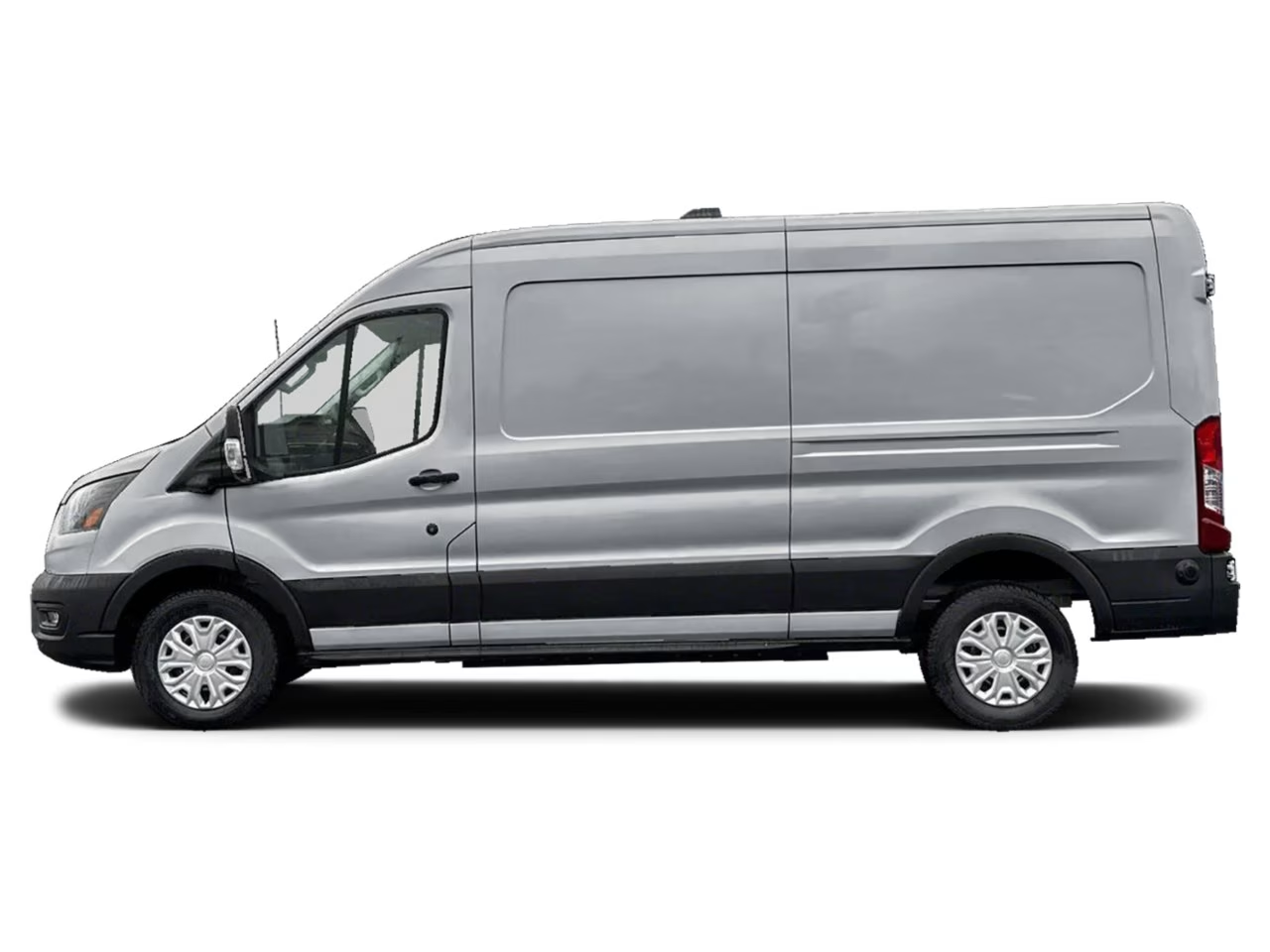
Is the Ford Transit Roomy Enough for You?
Posted at Wed, Dec 23, 2026 1:00 PM
THE SHORT ANSWER
For most people, yes. The Ford Transit comes in several roof heights, lengths, and body styles rather than one fixed size. The trick is matching the roof, length, and seating to what you actually carry and where the van has to park.
Short answer: yes, the Ford Transit is roomy enough for most tradespeople, small businesses, and big groups, as long as you pick the right version. It isn't one van but a family of them, with different roof heights, lengths, and seating layouts. If you came into Sayville Ford in Sayville, NY, these are the seven points I'd walk you through first.
IN THIS POST
- 1. Start With What Goes in the Back
- 2. Roof Height Changes How You Work Inside
- 3. Length Is a Trade Between Floor Space and Parking
- 4. Cargo, Crew, or Passenger: Pick the Right Body
- 5. Measure Your Real Load Before You Shop
- 6. Plan for Shelving and Upfits Up Front
- 7. Bring Your Stuff and Try It at Sayville Ford
- Key takeaways
1. Start With What Goes in the Back
Before we get into roof heights or lengths, tell me what you actually carry on a normal Tuesday. A plumber hauling fittings and a water heater needs a very different van than a youth league moving kids and gear to a tournament. Most people who end up frustrated with a van didn't buy one too small. They bought for a job they rarely do.
Grab a notepad and jot down two things:
- Your everyday load: the tools, stock, or people in the van most days
- Your worst-case load: the biggest thing you haul a few times a year
Choose the van for that first list. For the second, be honest about whether renting a truck twice a year beats driving extra van through local traffic and tight parking lots the rest of the time.
That little exercise settles most of the roominess question before you ever sit in a driver's seat. It also gives our sales team something concrete to work with, so you get matched to a van instead of talked into one.
2. Roof Height Changes How You Work Inside
Ford builds the Transit with three roof heights: low, medium, and high. This choice matters more than most people expect, because it decides whether you crouch or stand every time you climb into the back.
Low roof
Look here if the van has to live in a home garage, squeeze into a parking structure, or roll through a drive-through. It drives a lot like a big SUV and feels less top-heavy in a crosswind on Sunrise Highway.
Medium and high roof
Step up and you gain headroom fast. With a high roof, most adults can stand upright in the cargo area. That's a real gift to your back if you're in and out of the van dozens of times a day. Electricians, mobile mechanics, and anyone running shelving full of parts tend to love it.
Here's my rule of thumb: if you work inside the van, go tall. If you mostly load and unload from the doors, a lower roof often does the job and fits more places.
3. Length Is a Trade Between Floor Space and Parking
Along with roof height, the Transit comes in regular, long, and extended lengths, and the extended body pairs with the high roof. A longer van gives you more floor for long materials like pipe, lumber, or rolled carpet, plus more room for shelving down both sides.
That extra floor comes with a cost you'll feel daily. Longer vans need more room to turn, take up more of a driveway, and can be a headache in a crowded deli lot or on a narrow village street. Backing into a job site takes more care too, though cameras and parking sensors help a lot.
Think about where the van spends its time:
- Tight residential streets and small lots favor a shorter body
- Commercial yards, open job sites, and long highway runs make a longer one easy to live with
- Overnight parking at home may come with local rules worth checking
When you're ready to compare side by side, you can browse our new inventory and see which lengths and roof heights are on the lot right now.
4. Cargo, Crew, or Passenger: Pick the Right Body
Roominess means something different depending on who rides along. The Transit comes as a cargo van, a crew van, and a passenger van, and they divide the interior in very different ways.
- Cargo van: two seats up front and an open box behind you, with the most usable space for tools and stock
- Crew van: adds a second row behind the driver, so a small team rides together and still has a cargo area
- Passenger van: rows of seating for shuttles, churches, schools, hotels, and big families
Crews are where people most often get caught out. If two or three helpers ride to the job every morning, a cargo van means taking a second vehicle. That adds up in fuel, insurance, and time.
Need a lower starting point? A used Transit can be a smart way to get the body style you need, especially for a second van or a growing side business. Look closely at interior wear, since a hard-working van shows its life in the cargo floor and door seals.
5. Measure Your Real Load Before You Shop
A tape measure will tell you more than any brochure. Spend twenty minutes with your gear and you'll walk in knowing exactly what you need.
Measure your stuff
- Your longest regular item, like a ladder, pipe, or flooring
- Your tallest item, especially anything that has to ride upright
- Bulky pieces such as a generator, compressor, or tool chest
- How many people need seats on a typical day
Measure where the van lives
Check your garage door opening, your driveway length, and any covered parking at work or at customer sites. Low clearances at older buildings around the South Shore catch more drivers than you'd think.
Bring those numbers when you visit. Door openings matter as much as interior size. A roomy van still frustrates you if your biggest item won't clear the sliding side door or the rear doors. We'll walk out to the lot together and check a real van against your list.
6. Plan for Shelving and Upfits Up Front
Here's the part folks forget: the empty van you test drive isn't the van you'll work out of. Shelving, bins, ladder racks, and a cab partition all take a bite out of usable space, so plan them before you sign anything.
Shelving along both walls narrows the aisle down the middle. A partition behind the seats is great for safety and climate control, but it can limit how far back the driver's seat slides. Up top, a ladder rack adds height, and that can turn a garage-friendly low roof into one that no longer fits.
A few smart moves:
- Sketch your shelving layout and leave a walkway you can actually turn around in
- Keep heavy items low and close to the axles
- Ask about Ford accessory options before going aftermarket
Our parts department can help you sort out racks, mats, and organizers that fit the Transit you pick. Getting this right on day one saves you from tearing out shelving a year from now.
7. Bring Your Stuff and Try It at Sayville Ford
The best way to answer the roominess question is to see it for yourself. Picture the load first, then try it in a real van. Bring a ladder, a tool bag, or the folks who'll ride with you, and see how it all fits.
Sayville Ford was founded in 1957. We're three generations of the same family. What you'll find here is a big dealer's selection with small-town care, so you can compare roof heights and lengths side by side without feeling rushed.
Before you come in
- Bring your measurements and your everyday and worst-case lists
- Decide whether a second row of seats is a must
- Think about how long you plan to keep the van
If you'd like a few Transits lined up and ready, reach out to our team and tell us what you haul. We'll set aside time to go through it with you. Once you're driving it, we'll be here for the upkeep too.
Where
5686 Sunrise Hwy
Sayville, NY
Call
KEY TAKEAWAYS
- Choose the van for your everyday load, not the rare biggest job.
- Roof height decides whether you stand inside. Length trades floor space for easier parking.
- Measure your gear, your garage, and the door openings, then try a real van with your real stuff.
FAQ
Common questions
Will a Ford Transit fit in my home garage?
Start with the low-roof Transit, since it's the one meant for garages, parking structures, and drive-throughs. Measure your garage door's height and your garage's depth before you shop. If you plan to add a ladder rack, account for that extra height too. We're happy to compare your numbers against a van on the lot.
Can I stand up inside a Transit?
In the high-roof version, most adults can stand upright in the cargo area. That makes a big difference if you work inside the van all day. The medium roof gives you more headroom than the low roof, but taller folks may still need to duck.
Should I get a crew van or a cargo van?
It comes down to how many people ride to the job. If helpers come along most days, a crew van keeps everyone in one vehicle and still leaves cargo space behind the second row. If it's usually just you, a cargo van gives you the most room for tools and stock.
Can I finance a Transit for my business?
Many buyers finance work vans, either personally or through the business. Terms and approval depend on your credit and business history, so nothing is guaranteed up front. Our finance team can explain the options and help you compare them before you decide.
Want to see it in person?
Browse what is on the lot right now, or come by and see it in person.
Or call (631) 589-4800 · 5686 Sunrise Hwy, Sayville