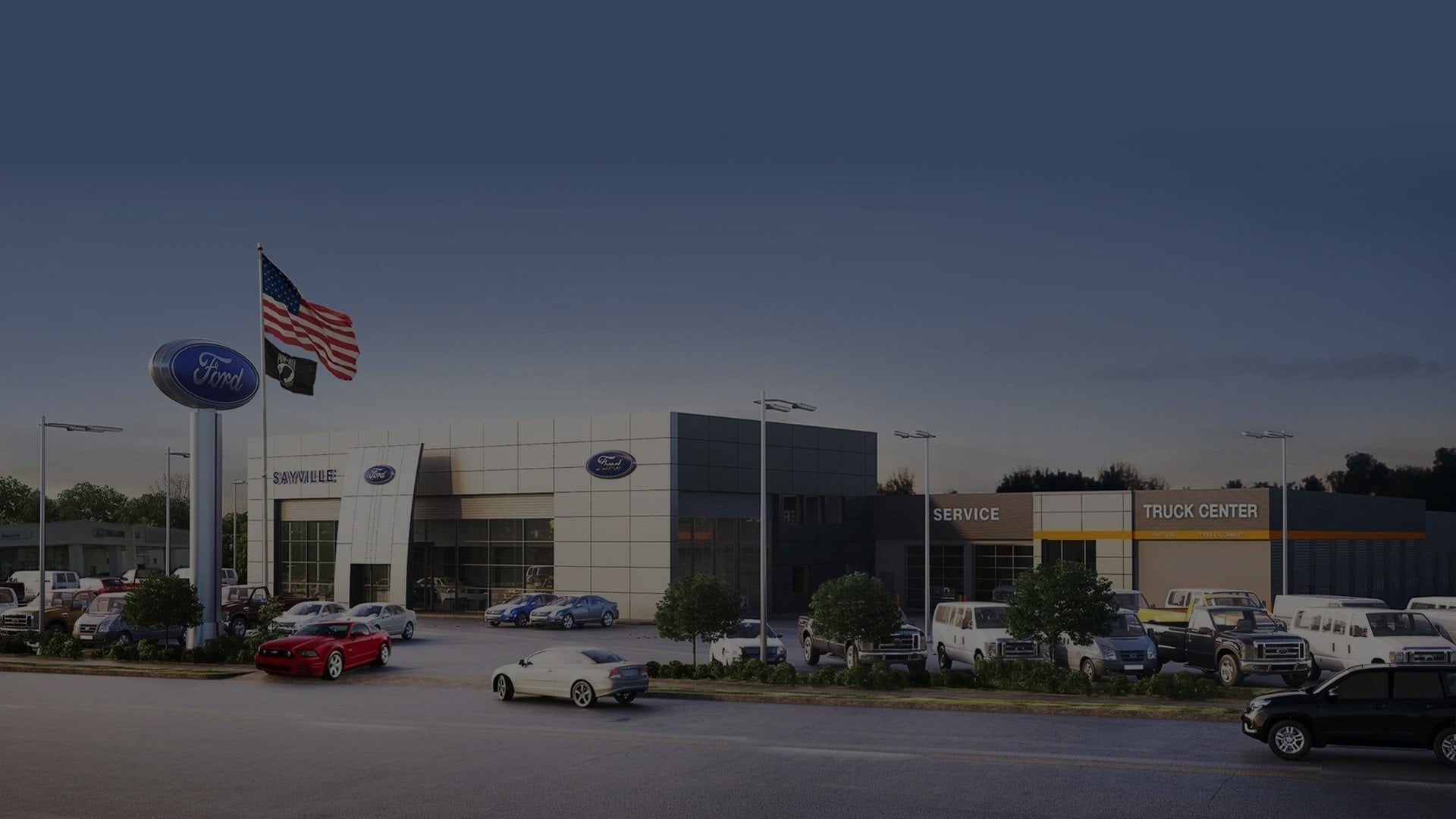


How to Maintain Your Ford Expedition: A Service Guide
Posted at Thu, Dec 10, 2026 1:00 PM
THE SHORT ANSWER
Follow the Intelligent Oil-Life Monitor for oil changes, rotate the tires on a regular schedule, and stick to the scheduled maintenance guide in your owner's manual. Switch to the severe-duty column if you tow, idle a lot, or do mostly short trips. Those habits keep an Expedition running strong, and a few quick checks at home catch most problems early.
Most Expedition owners have the same question: what does this SUV actually need, and how often? At Sayville Ford in Sayville, we see a lot of Expeditions in the service lane, and the ones that age best have owners who keep up with a short list of basics. Here's that list, in the order you'll need it.
IN THIS POST
- How often does my Expedition need an oil change?
- What else is on the maintenance schedule besides oil?
- Do I need the severe-duty schedule if I tow or drive mostly around town?
- How should I care for the tires and brakes on a big SUV?
- What can I check myself between service visits?
- Does it matter where I get my Expedition serviced?
- Key takeaways
How often does my Expedition need an oil change?
Change the oil when the Intelligent Oil-Life Monitor tells you to. Ford doesn't want you running on a fixed interval from a windshield sticker. The system watches how you actually drive, including engine temperature, trip length, load and idle time, and counts down a percentage you can see on the instrument cluster or in the FordPass app.
That's why two Expeditions bought the same week can need oil at very different times. A highway commuter may go a long stretch between changes. A family hauling kids to practice in short hops, or someone pulling a boat to the marina, will see the number drop faster.
The turbocharged EcoBoost engine is particular about oil quality. Use the exact oil specification printed in your owner's manual, not just the right viscosity, because turbochargers run hot and lean on the oil to stay cool and lubricated.
What to do next
When the monitor gets low, plan a visit. Don't skip it because the odometer barely moved, either. The manual also sets a time limit, and oil breaks down sitting in the engine even if you rarely drive.
What else is on the maintenance schedule besides oil?
Oil is the most frequent job, but it's far from the only one. The scheduled maintenance section of your owner's manual lays out the rest, usually grouped by mileage and time.
Expect these items to come up over the life of the vehicle:
- Tire rotation, often done alongside an oil change
- Multipoint inspection of belts, hoses, suspension and fluid levels
- Engine air filter and cabin air filter replacement
- Brake fluid flush
- Engine coolant replacement
- Spark plugs
- Automatic transmission fluid
- Transfer case and front and rear differential fluid on 4x4 models
That last group gets forgotten most. Driveline fluids on a 4x4 don't show up on a dipstick you check at home, so they're easy to ignore until a whine or shudder appears.
The cabin air filter is the cheap one that makes a noticeable difference. If your vents smell musty or the airflow feels weak, a clogged filter is usually why.
Keep a folder or digital log of what's been done. It makes the next visit faster and shows a future buyer the Expedition was cared for.
Do I need the severe-duty schedule if I tow or drive mostly around town?
Probably, yes. Ford's manual includes a schedule for special operating conditions, and a lot of Long Island driving fits it.
You fall into that category if you regularly do any of the following:
- Tow a trailer, camper or boat
- Drive in heavy stop-and-go traffic, like rush hour on Sunrise Highway
- Make frequent short trips where the engine never fully warms up
- Idle for long periods
- Drive on dirt, gravel or sandy beach access roads
Under those conditions, some fluids and filters get changed sooner. Transmission fluid and differential fluid are the big ones, since heat from towing and constant shifting wears them out faster. Engine air filters clog quicker in dusty or sandy driving.
Towing-specific checks
Before a trip, look over the hitch, safety chains and wiring connector for corrosion. Test the trailer lights and confirm your brake controller is set for the load. Trailer brakes and bearings need their own attention too; a seized bearing on a boat trailer can end a vacation fast.
If you're not sure which schedule fits you, ask a technician to look at how you use the truck and recommend one.
How should I care for the tires and brakes on a big SUV?
Weight is the issue. A three-row SUV full of people and gear puts real load on its tires and brakes, so both wear faster when they're neglected.
Tires
Set the pressure using the placard on the driver's door jamb, not the number molded into the tire sidewall. The sidewall shows the tire's maximum, while the door placard is what Ford engineered for your Expedition. Check monthly, with the tires cold, since pressure drops as temperatures fall in the fall and winter.
Rotation keeps wear even so you replace the full set later instead of two at a time. If the steering wheel sits off-center or the truck pulls after a pothole, get an alignment before it chews up the tire edges.
Brakes
Watch for squealing, grinding, a pulsing pedal, or a pedal that sinks lower than it used to. Any of those means it's time for an inspection.
Long Island winters add another factor: road salt. Rinse the undercarriage after storms to slow corrosion on brake lines, calipers and hardware. Salt damage builds quietly, and a stuck caliper is far cheaper to catch early than after it ruins a rotor.
What can I check myself between service visits?
Plenty. A five-minute walkaround once a month catches most small problems before they turn into big ones.
Here's a simple routine:
- Tire pressure and tread, plus any bulges or nails
- Exterior lights, including brake lights and turn signals
- Wiper blades for streaking or chatter
- Washer fluid level
- Spots on the driveway under where you park
- Battery terminals for white or green crust
- Any warning lights on the dash
Leaks are worth paying attention to. The color of the drip tells you a lot: reddish usually points to transmission fluid, green or orange to coolant, and dark brown to engine oil. Clear water under the front passenger side is normally just air conditioning condensation.
The FordPass app helps here too. It can show oil life, tire pressure and some vehicle alerts on your phone, so you'll know something's off before you walk out to the driveway.
Know where to stop. Topping off washer fluid and replacing wiper blades are easy jobs. Anything involving brakes, driveline fluids or a warning light should go to a technician. If you see something you can't explain, reach out to our team and describe it.
Does it matter where I get my Expedition serviced?
Legally, you can have routine maintenance done anywhere without voiding your Ford warranty, as long as the work follows the schedule and you keep receipts. That's your right under federal law.
The practical difference is what a Ford dealer can see and do that a general shop often can't. A dealer checks your VIN for open recalls and technical service bulletins, which are Ford's documented fixes for known issues. Dealers can also install software updates for the engine, transmission and infotainment systems, which matter more every model year.
Parts are the other factor. Genuine Ford and Motorcraft components are built to the original specifications, and if you prefer to handle some jobs yourself, you can get them through our parts department.
Why Sayville Ford
Sayville Ford is family-owned and operated, and our Ford factory-trained, certified service technicians work on these SUVs every day. They know the EcoBoost engine and the Expedition's 4x4 system, and they'll tell you what's due now versus what can wait.
When your oil-life monitor gets low or something feels off, book service online and bring your records along.
Where
5686 Sunrise Hwy
Sayville, NY
Call
KEY TAKEAWAYS
- Let the oil-life monitor and the owner's manual set your schedule, not a generic sticker.
- Towing, short trips and stop-and-go traffic call for the special operating conditions schedule.
- Keep records of every service so your warranty and resale value stay protected.
FAQ
Common questions
Will changing my own oil void the Expedition's warranty?
No, not by itself. Use the oil and filter that meet the specification in your owner's manual, follow the schedule, and keep receipts showing the date, mileage and products used. If a warranty claim ever comes up, those records are what prove the maintenance was done.
What does the amber wrench light on my Ford's dash mean?
On Ford vehicles, the wrench light generally signals a powertrain or driveline issue the computer has detected. It isn't a scheduled-maintenance reminder. Have it scanned soon, and if the vehicle feels different to drive, limit your trips until it's checked.
Do I need to warm up the EcoBoost engine before driving?
Long idling isn't necessary and actually counts against your oil life. Start it, give it a few seconds, and drive gently until the temperature gauge comes up. Avoid hard acceleration and heavy towing on a cold engine, and after a long tow, let it idle briefly before shutting it off so the turbochargers can cool.
Let us take care of it
Book online in a minute and pick a time that works for you.
Or call (631) 589-4800 · 5686 Sunrise Hwy, Sayville