

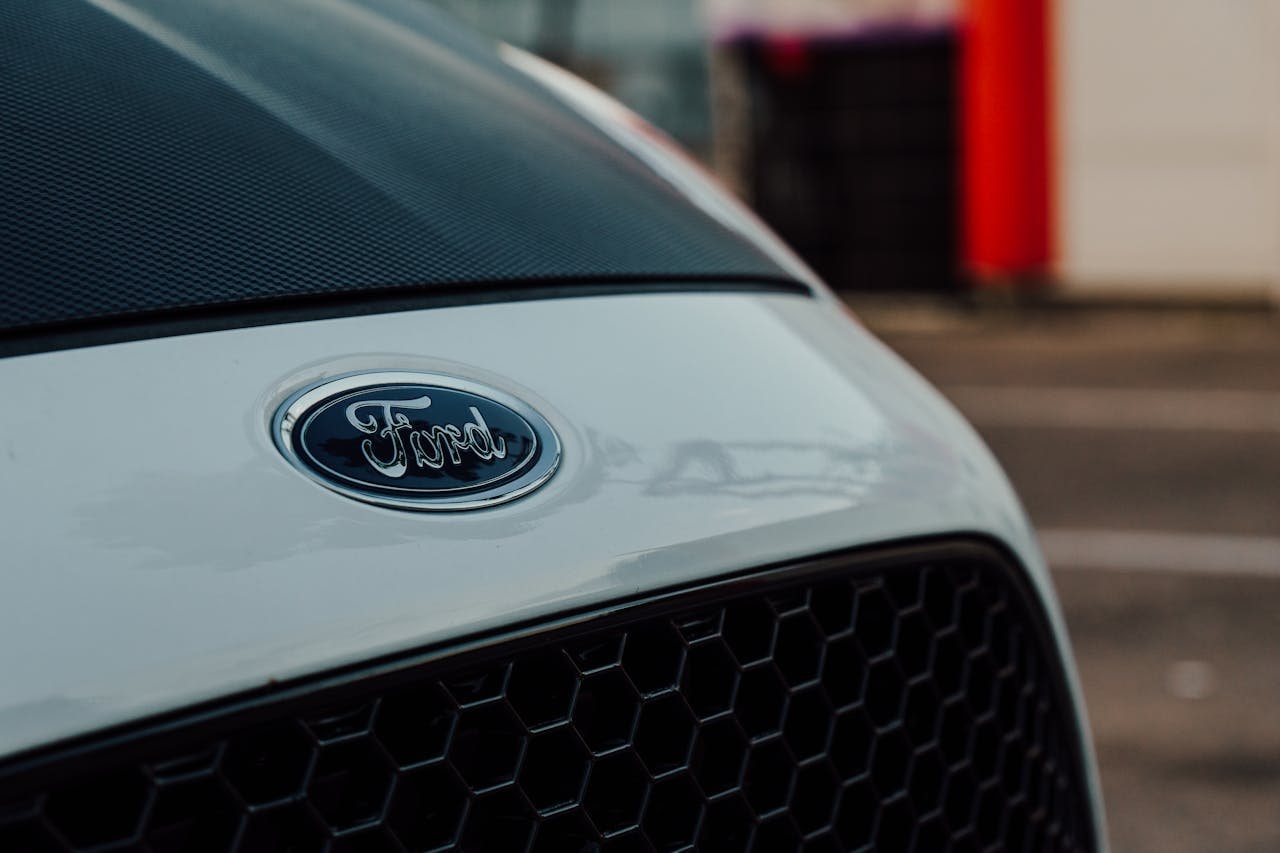
What to Know About Ford Warranty Services
Posted at Sun, Feb 15, 2026 5:00 PM
Most drivers don’t think much about vehicle warranties until something goes wrong. But understanding what’s actually covered, and when, is one of the better ways to avoid stress later. Ford warranty service in Long Island isn’t just about fixing problems. It’s about having one less thing to worry about when your car starts acting up after a rough season or years of steady use.
A solid warranty can make a hard-to-start engine or strange rattle feel less urgent because you know where to go and what kind of help to expect. If you're driving around Suffolk County through cold winters and salty roads, knowing how your Ford warranty works locally makes all the difference. Let’s walk through the basics every car owner should understand.
What a Ford Warranty Typically Covers
Warranties are built around protection for the parts of a car that are expected to last and cost more when they break. With Ford vehicles, warranty coverage usually falls into a few main categories.
- Powertrain warranties cover the engine, transmission, and parts that move the car forward. These systems usually have longer coverage terms because they’re built to last.
- Bumper-to-bumper warranties stretch across almost everything else, like electronics, cooling systems, and sensors. This coverage doesn’t last as long as powertrain protection, but it’s broader.
- Corrosion coverage handles rust-related damage to body panels. This type of issue can take years to show up, so the timeline usually runs longer than other warranties.
Factory warranties come with the car when it’s new and are built into the cost. Extended warranties can be added afterward and help cover repairs after the original plan runs out. Some extended warranties are direct from Ford, while others come through third-party plans. Either way, it's good to understand what level of coverage applies now, and what kicks in later.
Sayville Ford’s service department helps explain the details of new and certified pre-owned Ford warranty coverage, offering support with paperwork and claims for factory or extended plans.
Why Warranties Matter After a Long Island Winter
Long Island winters are hard on cars, and by February or early March, you might start feeling problems that weren’t there in autumn.
- Cold weather puts strain on car batteries. If your engine starts slower or electronics seem weaker, it could be a sign of fading power.
- Potholes form after freezing and thawing, hitting tires and suspension hard. This can bend wheel rims or knock your car out of alignment.
- Road salt speeds up wear and tear on brake lines and the underbody. It sticks in tight spaces and eats away at parts over time.
Some of these problems, like a sudden battery failure or a warning light, might be covered under warranty. Others, like bent wheels from a pothole, might fall under separate coverage or might not be covered at all. That’s why it helps to know what your warranty says and how your recent driving conditions play into it.
When your car’s gone through months of snow, sleet, and cold, you might notice small differences in how it feels or sounds. Maybe your brakes squeak a bit more or lights flicker on cold mornings. While some of that can be chalked up to normal winter wear, it’s smart to check for lingering problems before they grow. Warranties take some of the worry out of those first springtime repairs, giving you a place to start when deciding whether to fix something right away or watch it a little longer.
How to Use Warranty Services with Confidence
When something feels off but you’re not sure if it’s serious or covered, start simple.
- Check your owner’s manual or warranty booklet for what’s listed. These usually include a breakdown of what parts are protected and for how long.
- If in doubt, bring the vehicle in. If something fails under warranty, repairs can be handled with fewer out-of-pocket costs, but waiting too long might let coverage expire.
- Keep your service visits regular, even if it's just a basic check-in. Skipping maintenance doesn’t always void a warranty, but it can make a warranty claim harder to validate.
- Ask questions. A local service team will be familiar with what Long Island roads do to vehicles, especially after winter. They’ll know where to look first and what symptoms line up with season-specific damage.
Working with people who understand local road conditions can help you describe issues faster and get answers without delay. We’ve all seen the same frost heaves, salt spray, and slush that mess with our own vehicles.
Our team at Sayville Ford regularly advises customers on what’s covered under their warranties and can help with Ford’s official claim process for eligible repairs, even after seasonal challenges.
Having a good relationship with your local dealership can make a big difference when you need to use your warranty. If you come in for regular service and keep your records, the repair process should move along more smoothly. When in doubt, talking it through with someone who knows these vehicles is never a bad idea.
Differences Between Original and Extended Plans
The switch from your original factory warranty to an extended plan doesn’t always feel obvious, until something breaks and coverage has changed.
- Original warranties come with the vehicle and usually cover a wide variety of parts under time and mileage limits.
- Extended plans often kick in once that standard coverage runs out, and they can vary a lot depending on what kind you chose.
- Some extended options include towing, rental reimbursement, or coverage for certain advanced systems like touchscreen displays or sensor-heavy safety tech.
- Others may leave out common wear items like brake pads or tires or reduce coverage on older components.
It can make sense to explore extended plans when your mileage is getting higher or if you know you'll keep the vehicle for a long time. The peace of mind can be worth it, especially if you’ve already seen your fair share of winter-related issues.
Choosing the right mix of coverage for your needs comes down to how you drive and how long you plan to keep your vehicle. If you drive mostly in town and only rack up a few miles each week, the standard warranty could last a long while. For people with longer commutes or who travel all over Long Island, extra protection might make sense. This flexibility is why extended warranties are so popular, they grow with your vehicle as it ages.
Common Misunderstandings Around Warranty Claims
There are a few things that can catch drivers off guard when it comes time to file warranty claims.
- Using aftermarket parts doesn’t automatically cancel a warranty, but if the part causes a problem, your coverage might not apply to that repair.
- Missing scheduled maintenance can make a future claim harder to approve, especially if the skipped step relates to the part that failed.
- Damage caused by an accident, even something as small as hitting a curb, might not be covered, depending on what was hurt and how.
To keep things simple and stress-free, hold onto your service paperwork. Being able to show records of oil changes, alignments, or system checks makes every claim clearer. The warranty still protects you, but having proof that the car was cared for helps speed things up.
Sometimes customers think that any problem under the hood should be covered. But warranties have clear rules, and a lot depends on how something breaks or what caused it. If there’s ever doubt, it’s always OK to ask questions or get a second opinion from someone who deals with Ford claims every day. That little bit of extra clarity can be the difference between a quick approval or a longer wait.
If you’re concerned about your warranty, take a look at what you already have listed and what fine print comes with it. Pay special attention to dates and mileage, since missing those could mean a denial, even for small repairs.
Peace of Mind Comes from Being Covered
Driving around Long Island means getting used to sudden snow, hidden potholes, and salt-covered roads for months. That’s why understanding your Ford warranty service in Long Island gives you a leg up, especially heading into spring.
We know the signs of winter strain and how fast a small issue can grow once the weather turns. When you know what’s already protected under warranty, and how to use that protection, every strange noise or flickering dashboard light feels a whole lot less urgent. Knowing you’re covered makes all the difference.
Concerned about your car’s coverage after another round of winter weather? At Sayville Ford, we help drivers throughout Suffolk County get the most out of their benefits, from minor fixes to major repairs. When your repair needs match your plan, service is smoother and less stressful. Start by exploring what’s included in your Ford warranty service in Long Island and connect with us to schedule a conversation.