

Signs Your Ford's Brake Pads Are Wearing Out
Posted at Sun, Jun 29, 2025 5:00 PM
Brake pads play a huge role in keeping your drive safe and smooth. Every time you slow down or come to a stop, they create the needed friction to help your vehicle respond properly. Over time, though, brake pads start to wear out from all that use. When that happens, stopping takes longer, and your confidence behind the wheel can take a hit. That’s why knowing the early signs of wear makes a big difference.
Driving around Sayville without strong, dependable brakes isn’t just uncomfortable, it’s unsafe. Worn brake pads can show up through strange sounds, changes in how your car feels while braking, or even noticeable visual clues. Some signs are subtle at first, while others are hard to miss. Either way, the earlier you catch them, the easier and more affordable the fix. Waiting too long can lead to damage that goes far beyond just the pads.
Squeaking Or Squealing Noises
One of the first things you might notice when brake pads start to wear down is a high-pitched squealing or squeaking sound. It tends to show up when you’re braking gently or even when you back out of a driveway early in the day. That sound isn’t just random. Most brake pads are built with a small metal tab that intentionally makes noise when the pad wears low. It’s a warning signal that gets your attention before the situation turns serious.
If you only hear the squeal once or twice after your car’s been sitting in wet or cold conditions, it might be surface rust burning off. But if that noise keeps coming back while braking or starts sounding louder, it likely points to pad wear. Ignoring it could lead to bigger issues, like damaging your brake rotors or reducing brake power when you least expect it.
Some drivers try to turn up their music or ignore the sound for a few more drives, hoping it will go away on its own. That usually only gives the problem more time to get worse. If the sound sticks around or seems to be getting more frequent, it’s a good idea to schedule a professional look before it turns into a grinding issue.
Reduced Braking Performance
Your brakes don’t just stop working overnight, but they can lose some bite slowly over time. If your car seems to take longer to stop or needs more pressure on the pedal than usual, that’s often a sign your brake pads are wearing out. It becomes more obvious in stop-and-go traffic or during quick, unexpected stops, like when you're trying to avoid a red light runner or a distracted driver.
Worn brake pads create less friction between the brake components. That means less stopping power and slower reactiveness when you hit the pedal. You might not feel it the first few times, but as it gets worse, the difference becomes hard to miss. It may take just a bit longer to slow down, or you may even have to press the pedal deeper to get the same result.
Here’s how reduced braking performance might show up:
- Stopping distance seems longer than it used to
- Brakes feel spongy when you press down
- You find yourself needing to brake earlier to stop safely
If you're used to how your vehicle normally stops, any shift in that feeling is worth getting checked out. Waiting too long not only puts more stress on the braking system but can increase your chances of a fender bender or worse. Responsive brakes aren’t just a comfort, they’re a basic part of staying safe out on the road.
Brake Pedal Vibrations
Your brake pedal should feel solid and consistent. If you push down and feel vibrations coming through it, especially when you're coming to a stop, it could be a sign something’s off. In many cases, this shaking comes from worn brake pads that are no longer making smooth, even contact with the rotor. If things get uneven or warped, your brake pedal starts to reflect that imbalance.
Vibrations can also come from built-up debris stuck in your pads or from heat damage if the brakes have been worked a bit too hard over time. Either way, it's not something to brush off. The longer it goes on, the more likely you’ll end up with damage that could’ve been avoided.
It might feel like just a small pulse at first, but over time, that feedback through the pedal can turn into shaking that’s hard to miss. Some drivers describe it like an electric toothbrush buzzing under their foot. Annoying, unnatural, and a sign to pull in for a brake check. If the pads are the cause, getting them swapped out quickly can stop further problems before they start.
Visual Wear Indicator
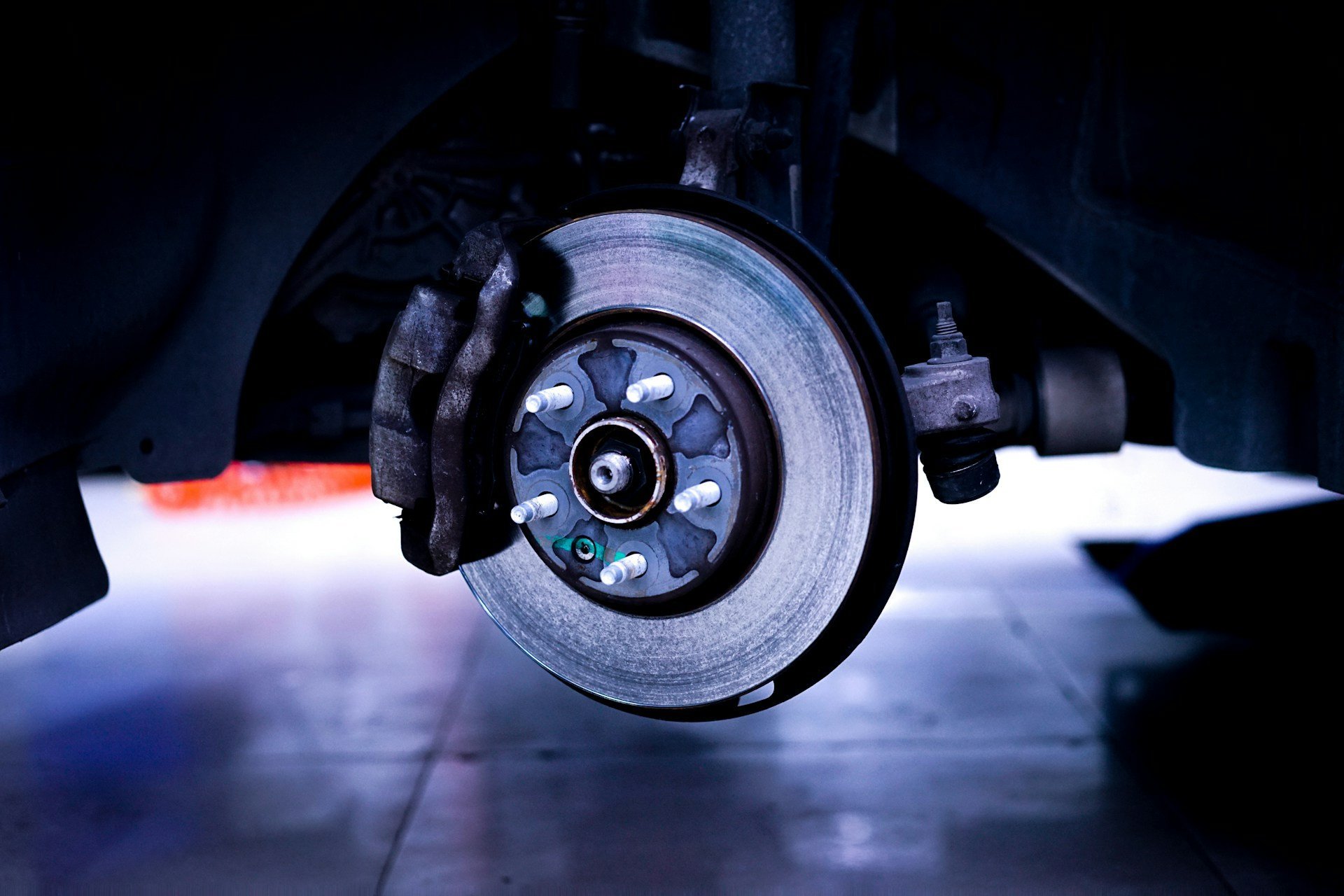
Checking your brake pads doesn’t always require a mechanic’s touch. With a simple visual inspection, you can get a good idea of their current state. Start by peeking through the spaces of your wheel rims. If you can see the brake pad squeezed between the caliper and the rotor, look for its thickness. Pads should usually measure more than a quarter of an inch thick.
If they appear thinner, it’s a red flag that they need replacing soon. Some brake pads come with a groove or slot in the center as a wear indicator, which allows you to see how much of the pad is left. When this slot is nearly gone, it's time to think about swapping the pads. Bear in mind that if you see signs of rust or corrosion, it’s a good idea to let a pro assess the situation since corrosion might lead to uneven wear.
This inspection method doesn’t cover everything but is a handy way to keep tabs on pad health in between check-ups. Limiting your visual checks to once a month goes a long way in spotting potential issues early on and keeping you informed about what’s happening under your wheels.
Metallic Grinding Sound
A metallic grinding noise is the sound you don’t want to hear coming from your brakes. When pads wear down to their metal backing plates, metal-on-metal contact with the rotors starts, creating that cringe-worthy grinding. This not only reduces braking performance, it can damage the rotors, requiring more expensive repairs.
Once grinding starts, taking prompt action reduces the strain on the rest of your brake system. Continuing to drive with noisy brakes impacts safety as much as the system itself. If this sound is persistent, it’s not something to ignore. It's a sign to seek professional help right away to prevent further wear and tear on your brake components.
Sometimes, people think they can hold off until their next scheduled maintenance, but grinding is a sign that immediate action is needed. Delaying inspection and repair could turn a straightforward brake pad change into a more complex and costly rotor replacement.
Keeping Up With Brake Pad Health Matters
Recognizing the signs of worn-out brake pads and acting promptly plays a big role in staying safe on the road. Keeping an eye—and an ear—on your vehicle helps you avoid more damage and gives you the confidence that your vehicle is responding the way it should. By knowing what to watch for, you're making smart choices that can save you time, money, and stress down the line.
Knowing when to replace brake pads isn't just about preserving your vehicle. It's about making sure every drive in and around Sayville—whether it's the weekday commute or a trip to the local grocery store—is safe and worry-free. Staying on top of brake pad condition through quick checks can make a big difference in the long run.
Having a pro take a look when you notice sounds, pedal changes, or anything unusual keeps trouble from piling up. A trusted shop will know exactly what to look for and how to fix it right the first time. Small signs often point to big problems if ignored too long, so don’t overlook them. Safe brakes bring peace of mind with every mile.
Ensure your vehicle's safety and performance by addressing brake issues promptly. For dependable Ford brake pad replacement in Sayville, count on the team at Sayville Ford. We’re here to keep your drive smooth and worry-free with expert care that makes sure your car stays ready for anything the road throws your way.