
Ford Fleet Service in Suffolk County: Billing, Priority Scheduling
Posted at Sun, Jul 12, 2026 9:00 AM
Keep Your Suffolk County Fleet Moving Without Surprises
A lot of Suffolk County businesses live or die by their trucks and vans. When two work vehicles are suddenly out of service on a busy summer day, routes get delayed, crews sit around, and jobs have to be pushed. One unexpected breakdown can throw off the whole week.
Ford fleet service programs are built to cut down that kind of downtime. The idea is simple: clear billing, priority in the shop, and pickup and delivery that fits into your schedule instead of fighting it. That matters in our area, where traffic, weather, and seasonal workload can all hit at the same time.
By the time you finish reading, you will know how Ford fleet service billing usually works, what priority scheduling and pickup and delivery really look like at dealer-level, how these pieces come together for Suffolk County fleets, and what to ask before you enroll so there are no surprises later.
How Ford Fleet Service Billing Actually Works
Good fleet billing starts with a clean setup. For most Ford fleet accounts, you are not paying ticket by ticket in a pile of loose receipts. Instead, there is usually a centralized account that ties your business, your vehicles, and your approved drivers together.
Typical building blocks include:
- Account profile with your business info and tax status
- List of authorized vehicles by VIN or unit number
- List of people allowed to approve repairs
- Standard instructions about purchase orders and billing
Service visits still create itemized repair orders, so you see what was done on each vehicle. But billing can be organized in ways that make life easier for your bookkeeper, like consolidated or monthly statements that group work by date, unit, or department.
Most fleets will see a mix of:
- Customer pay work like brakes, tires, and wear items
- Warranty repairs on covered components
- Ford Protect or other extended coverage where it applies
- Possible fleet discounts or agreed labor rates
Clear estimates and pre-approvals keep those lines from becoming a surprise on your statement. You should know before the work starts what is covered and what is your responsibility.
At a local-level, service and business office teams can coordinate with Suffolk County businesses to help with things like:
- Setting up tax-exempt status for qualified entities
- Matching PO numbers or job codes on each invoice
- Working with fleet management companies if you use one
- Supplying digital copies of invoices for your accounting system
Before you enroll in any Ford fleet billing setup, it helps to ask direct questions such as:
- Are labor rates for my fleet locked in for a set period?
- How are parts priced for fleet customers?
- Can you split invoices by department, location, or vehicle number?
- What are the payment terms and late-fee policies?
- How are disputed charges handled?
Clear answers upfront give you a predictable plan instead of guesswork.
Priority Scheduling That Reduces Costly Downtime
Priority scheduling sounds great, but what does it usually mean for Ford fleet service in Suffolk County? In most cases, it means your vehicles are not treated like random walk-ins. The dealership reserves space and time in the shop so work trucks and vans can move through faster.
That can look like:
- Earlier appointment slots reserved for commercial vehicles
- A set amount of daily capacity held for fleet accounts
- Faster triage when a vehicle comes in down and not drivable
- A focus on safety and uptime for work units
Some dealers support this with dedicated commercial service advisors, early morning drop-off options, and extended or Saturday hours. The goal is simple: get your Transit, F-150, Super Duty, or municipal unit back out on the road as quickly as is reasonably possible, especially before busy weekends or holiday periods.
There are still limits. It is helpful to keep realistic expectations, such as:
- Quick maintenance like oil changes and tire rotations can often be handled same day if scheduled.
- Larger jobs that need special parts may depend on parts availability and shipping.
- True emergency down-vehicle cases may bump ahead of non-critical work, but still depend on technician capacity.
Planning helps. Many fleets try to schedule routine work like oil, brakes, and tires during slower midweek slots, instead of waiting for a warning light during peak season. That keeps the shop from backing up and avoids pulling key units out of service on your busiest days.
When you talk about priority scheduling, consider asking:
- Is there a target response time when I call with a down-vehicle?
- What types of repairs can you usually turn around the same day?
- Are loaners or rentals available for fleet customers when a unit will be down?
- How far in advance should I book routine service during the summer when demand spikes?
- Can you help me map out a maintenance calendar for my fleet?
Clear ground rules mean fewer last-minute scrambles.
Pickup and Delivery Options for Busy Fleets
For many Suffolk County businesses, the biggest headache is not the repair itself, it is pulling a driver off a route just to sit in a waiting room. Pickup-and-delivery service is meant to solve that. A team member comes to your yard or office, takes the vehicle back to the dealership for service, then returns it when work is done.
In practice, you will want to ask about:
- Service radius and which towns are covered
- Whether same-day pickup and delivery is available
- How much notice is needed to book a slot
- Any fees or minimum vehicle counts tied to the service
Summer traffic, beach season, and school-year patterns all affect timing in Suffolk County. Good communication around ETA and scheduling helps you plan your own routes and staffing.
Operational details matter too. A well-run pickup-and-delivery setup usually covers:
- Documenting vehicle condition and mileage at pickup
- Agreeing on where keys and paperwork will be exchanged
- Rotating multiple vehicles in a single visit if needed
- Keeping you updated by text, phone, or email as work progresses
- Getting digital approvals for any added repairs that pop up
Before you rely on pickup-and-delivery as part of your fleet plan, ask questions like:
- What are your pickup-and-delivery hours on weekdays and weekends?
- Are there blackout dates around major holidays or local events?
- Can you work with my yard manager or dispatcher to move units on and off site?
- How is liability handled while my vehicle is being driven to and from the dealership?
- What happens if weather or traffic delays the return time?
When you know how the process works, you can plug it into your normal operations without surprises.
What to Ask Your Suffolk County Ford Fleet Partner
If you are looking at Ford fleet service in Suffolk County, it helps to walk in with a simple checklist. Here are some smart topics to cover with any Ford dealer you are thinking of partnering with:
Service and downtime questions:
- Typical turnaround times for common repairs and maintenance
- How often parts are stocked for popular commercial models like Transit, F-150, and Super Duty
- How seasonal workload, like tourism in summer or winter storms, changes the schedule
- How they handle repeated issues on the same vehicle
Contract and policy questions:
- Whether there is a formal fleet agreement and what it covers
- Minimum vehicle count or business documentation needed to enroll
- Any loyalty incentives or volume discounts for fleets
- Availability of reporting tools like maintenance history and cost-per-vehicle summaries
Communication questions:
- Who will be your dedicated point of contact in service and in the business office?
- How estimates and approvals are sent and signed off, such as text, email, or phone
- Whether they provide photo or video multi-point inspections so you can see what the technician sees
- How online scheduling works for fleets compared to retail customers
The local factor matters too. A partner who understands Suffolk County driving conditions, local inspection rules, and how seasonal traffic patterns affect your routes can help keep your fleet compliant, safer, and ready to work all year long.
Enroll Confidently and Keep Your Fleet Revenue-Ready
When you look at it as a whole, Ford fleet service is really about predictability. Clear billing means your accounting team is not chasing mystery charges. Priority scheduling means your key units are not sitting for days waiting to be seen. Pickup and delivery means your drivers can stay on their routes instead of shuttling vehicles back and forth.
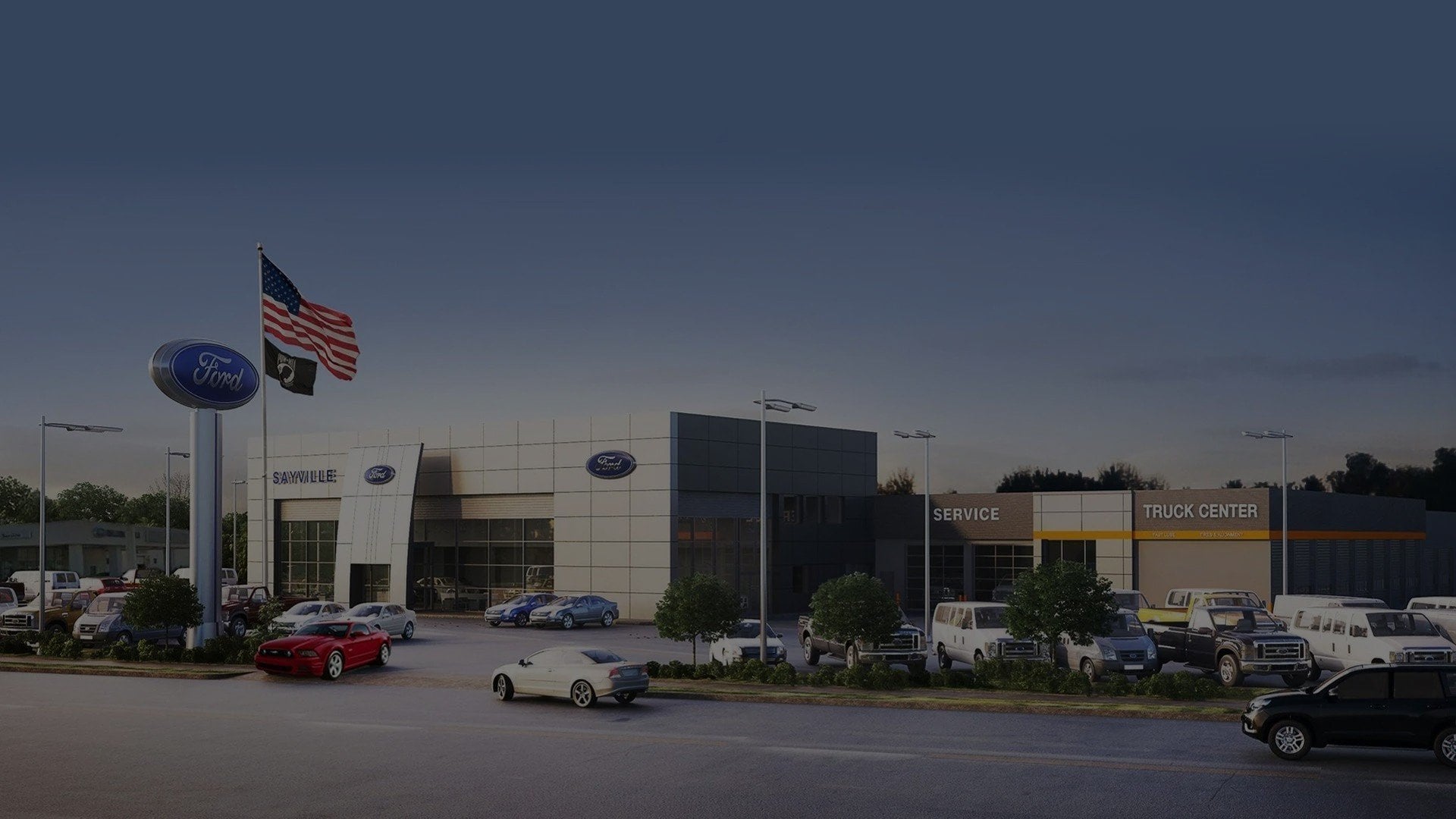
At Sayville Ford, we work with Suffolk County businesses of different sizes, from small operations with a few vehicles to larger fleets with many units. The most successful fleet partnerships start with an honest planning talk about your current downtime, which vehicles are mission-critical, and which mix of billing setup, scheduling, and pickup and delivery matters most for your business. With that in place, seasonal rushes and rough weather become easier to handle, because your Ford fleet is on a steady maintenance rhythm and supported by a team focused on keeping your business moving.
Keep Your Fleet On The Road And Earning
When uptime matters, our dedicated team at Sayville Ford is ready to support every vehicle in your operation with trusted Ford fleet service in Suffolk County. We work with you to schedule maintenance and repairs around your business hours so your drivers spend more time on the road and less time in the shop. If you have questions or want to set up a service plan tailored to your fleet, contact us and we will help you get started right away.