

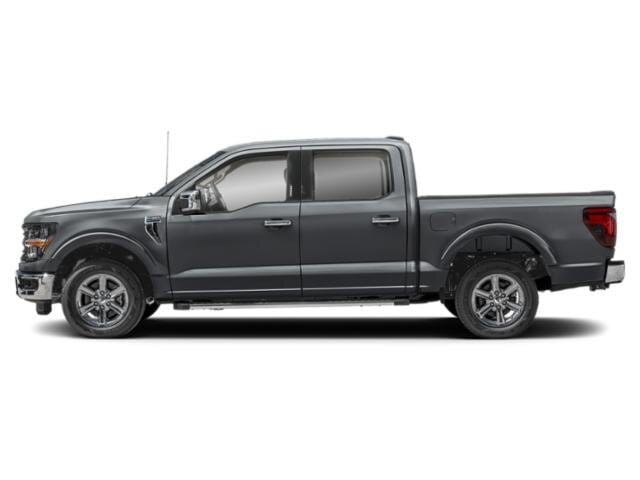
A Complete Ford F150 Service Overview
Posted at Sun, Feb 15, 2026 5:00 PM
Taking care of a Ford F150, especially around the end of winter in Long Island, comes down to knowing what your truck needs and when it needs it. Cold weather, rough roads, and salt exposure can leave behind more damage than we realize at first. With drivers in Suffolk County getting ready for spring, it's a smart time to check in on vehicle health. A complete look at Ford F150 service in Long Island helps you stay ahead of problems and feel more confident in your ride. Let’s walk through the main service areas every F150 owner should know about.
Regular Maintenance That Keeps Your F150 Running Strong
The basics matter. Regular service helps your truck last longer and handle better. Skipping simple things like oil changes or waiting too long between brake checks can lead to bigger problems down the line.
- Oil changes keep your engine running smoothly and prevent early wear. Cold starts in the winter put extra strain on the motor, especially in stop-and-go traffic
- Tire rotation keeps wear even, which helps you avoid alignment issues and extends the life of your tires
- Brake inspections are key for spotting worn pads and slowed response time, both of which are more likely after winter driving
These jobs may seem small, but they help you catch trouble early. Regular maintenance acts like a checkpoint for your truck, pointing out small issues before they turn into costly repairs.
Sayville Ford’s service center uses Genuine Ford Parts and factory-approved diagnostics for all routine maintenance and repairs on F150 models.
Post-Winter Service Priorities for Suffolk County Drivers
After months of freezing temps, potholes, and salt-treated roads, it’s smart to take a close look at your truck’s condition. This time of year is when winter wear starts to show.
- Suspension and steering often take some hits from rough local roads. Bumpy rides or loose handling are signs to get things checked out
- Batteries struggle in low temps and may already be showing signs of weakness, like slow starts or dim headlights
- Salt buildup on the frame or undercarriage can lead to rust if it’s not cleaned out. A pressure wash down below helps remove what’s hiding in hard-to-reach places
Fords are built tough, but Long Island winters don’t take it easy on any vehicle. Checking in after the season ends helps set your truck up right for better spring driving.
Understanding Mileage-Based Service Intervals
Not every F150 needs the same repairs at the same time. But there are common service windows you should keep an eye on. General mileage checkpoints give you a good sense of what to expect.
- At around 30,000 miles, trucks usually need deeper checks on hoses, belts, and transmission performance
- At 60,000 miles, the full brake system, suspension components, and cooling systems should be inspected
- At 100,000 miles and up, expect larger replacements like spark plugs, timing-related parts, or drivetrain items
Of course, how and where you drive matters too. Local routes filled with stop signs, short trips, or uneven roads will wear some parts quicker. Highways lead to different wear patterns compared to town roads. When you follow a set service routine based on your mileage and driving style, your truck stays more dependable season to season.
What’s Covered Under Warranty and When to Ask About Repairs
Warranty coverage often helps with peace of mind, but it comes with limits. It's good to know what counts as covered repair work and what doesn’t.
- Factory warranties usually cover parts like the engine, transmission, and important internal systems for a set amount of time or miles
- Some extended warranties add more years or miles and include helpful extras like basic electronics or assistance add-ons
- Repairs caused by outside damage, skipped maintenance, or modified parts typically get denied under most plans
Keeping a record of service visits matters here. If something goes wrong and you’ve stayed current with service, your claim has a better chance of getting covered. When in doubt, we always suggest asking before repairs begin to avoid surprises.
Choosing the Right Help for Ford F150 Service
F150 owners on Long Island deal with different wear than drivers in other places. Knowing how this area affects trucks can make a difference in how we approach care and service.
- Seasonal freezing and thawing leads to potholes that hurt tires and suspensions more than steady terrain
- Salt-heavy roads speed up corrosion around wheels and underbody parts
- Repeated short drives in cold air push engines harder, especially when oil hasn’t had time to circulate fully
Having the right people handle your Ford F150 service in Long Island matters. We understand the climate, road quality, and driving rhythms of this area because we live with the same roads. Our approach lines up with what trucks in Suffolk County actually face every day.
Many F150 owners at Sayville Ford use our online scheduling tool to pair services like tire rotation, brake inspections, and oil changes for added efficiency.
Confidence Comes from Staying Ahead of Problems
A well-maintained truck doesn’t just run better, it gives you more peace of mind heading into a new season. By keeping up with regular service, checking in after winter, and paying attention to mileage milestones, you help your F150 stay strong through spring and beyond.
Every truck faces a different mix of road use, weather, and wear, but a consistent care routine keeps surprises to a minimum. Knowing what to expect, when to check, and where to go makes driving easier, not more stressful.
Winter can be tough on your F150, but staying proactive now keeps it running strong for all the seasons ahead. Routine checks like suspension and battery inspections can make a real difference and help you avoid costly surprises down the road. We know how local driving conditions impact your truck’s performance, and our team is here to help. To schedule trusted Ford F150 service in Long Island, reach out to Sayville Ford today.