

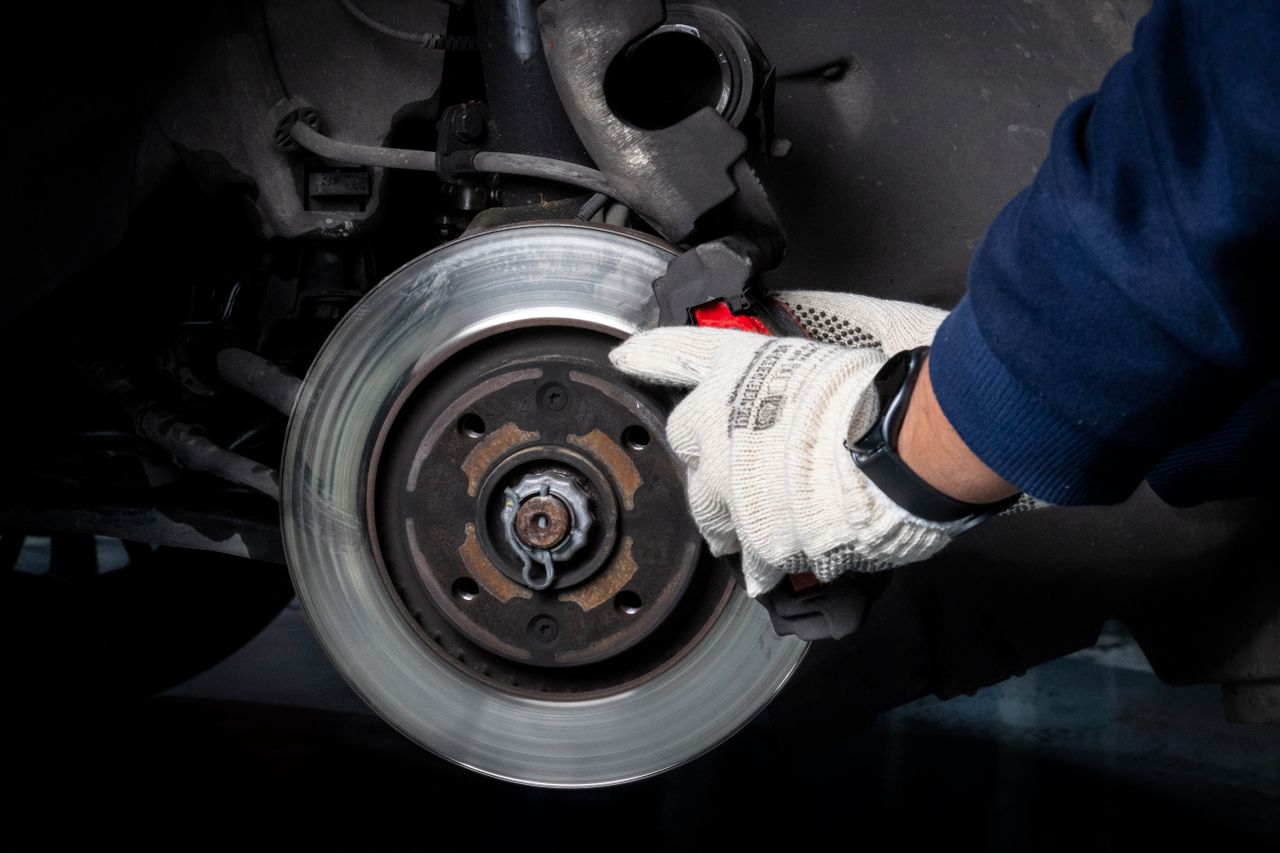
Ford Brake Squeal, Grinding, and Pulsation: Meaning and Service Timing
Posted at Wed, May 27, 2026 9:00 AM
Brake noises and weird brake feelings can turn a normal Suffolk County drive into a stressful one. When your Ford starts squealing, grinding, or pulsing through the pedal, it is your car’s way of saying something is wrong. Those sounds and sensations are not just annoying, and they can point to real safety issues that should be checked before they get worse.
In this guide, we will break down what each symptom usually means, how urgent it is, and why local roads can make brake problems show up sooner. If you are commuting on Sunrise Highway, heading toward the Fire Island ferries, or dealing with busy weekend traffic, knowing when to plan Ford brake service in Suffolk County can keep every trip calmer and safer.
Stop Brake Noise Before It Stops Your Suffolk Drive
On Long Island, brakes get a workout. Daily stop-and-go on Sunrise Highway, sudden slowdowns on the Southern State, and summer lines for the Fire Island ferries all put extra strain on your Ford. Any new sound or shake from your brakes is worth paying attention to.
Most drivers notice three main brake symptoms:
- Squeal, a high-pitched noise when you press the pedal
- Grinding, a harsh scraping or growling sound
- Pulsation, a pulsing pedal or shaking steering wheel while braking
Each one points to something different inside your brake system. Some issues are more urgent than others, but all deserve a closer look. When you understand the hints your brakes are giving, it is easier to know when to keep driving carefully and when to plan a visit for professional Ford brake service in Suffolk County.
What Brake Squeal in Your Ford Is Really Telling You
Brake squeal is one of the most common complaints and it can have several causes. Some are minor and fade quickly, others mean your pads are wearing out and need attention soon.
Common reasons for squealing include:
- Wear indicators on the brake pads touching the rotor
- Light surface rust on the rotors after the car sits
- Glazed pads or rotors from heat and hard stops
- Moisture, humidity, and coastal salt air along the South Shore
If your Ford sits overnight or for a couple of days, especially in damp weather, a thin layer of rust can form on the rotors. That can make the brakes squeal for the first few stops, then go quiet once the rust is scrubbed off. This kind of noise is usually short-lived.
Ongoing squeal is different. Many pads have a small metal tab that starts to squeal when the friction material gets low. That sound is like an early warning system. It tells you the pads are nearing the end of their life and should be inspected soon. Driving too long with worn pads can:
- Increase your stopping distance in heavy traffic
- Lead to rotor damage and more costly repairs later
- Put extra heat and stress into other brake parts
Before you load the family in the car for summer road trips or long drives on the Long Island Expressway, it is smart to have a persistent squeal checked so your brakes are ready for sudden slowdowns.
Grinding Brakes and Why You Should Not Wait
Grinding is one brake sound you never want to ignore. It usually means the friction material on the pad is gone and metal is now scraping metal every time you slow down.
Drivers often describe it as:
- A rough, growling, or roaring noise
- A harsh vibration through the pedal or floor
- A feeling like the car is dragging something when stopping
When pads wear all the way down, the metal backing plate can dig into the rotor. This can gouge deep grooves, damage the surface, and create a lot of heat. If you keep driving like this, you might also damage the calipers and other hardware, and your stopping power can drop fast. That is especially risky in Suffolk County’s stop-and-go traffic near the beaches or during holiday weekends.
Grinding means your Ford should be inspected as soon as you can safely get it to a service center. A professional team can replace the pads, resurface or replace the rotors if needed, and check the rest of the system so your brakes feel strong and smooth again.
Brake Pedal Pulsation and Steering Wheel Vibration
Brake pulsation feels different from squeal or grinding. You might notice the pedal pushing back in a steady rhythm when you press it, or the steering wheel shaking when you slow down from higher speeds.
This kind of vibration often points to uneven rotor surfaces, sometimes called rotor warping or rotor thickness variation. Instead of the pads sliding over a smooth, flat surface, they touch slightly thicker and thinner spots as the wheel turns, which creates that pulsing feel.
On Suffolk County roads, common causes can include:
- Frequent high-speed stops on Sunrise Highway or I-495
- Potholes and rough pavement from winter damage
- Riding the brakes downhill instead of letting the car coast
- Wheels that were not tightened evenly after a tire change
At first, pulsation might seem like a comfort issue more than a safety problem. But uneven rotors can reduce consistent contact between the pad and rotor. That can affect how smoothly and predictably your Ford stops, especially at highway speeds. If you notice pulsation that does not go away, it is a good idea to plan a brake inspection before longer drives.
How Suffolk County Roads and Seasons Affect Your Brakes
Where and how you drive has a big impact on brake life. In and around Sayville and the rest of Suffolk County, several local factors can speed up brake wear.
These include:
- Coastal salt air near the South Shore that can encourage rust
- Road salt and sand in colder months that can linger on parts
- Heavy stop-and-go traffic, especially around popular beach routes
- Short trips that keep brakes hot and never give them a chance to cool
As the weather warms up and trip plans get longer, it becomes a smart time to have your brake system looked at. A simple inspection can spot uneven wear, low pads, or early rotor issues before they turn into noisy or unsafe braking during a long drive to Montauk or a weekend visit with family.
Working with a team that understands local driving patterns and Long Island road conditions helps make sure your Ford’s brakes are ready for both daily commuting and heavier travel.
Knowing When Your Brakes Need Professional Attention
Some brake symptoms call for quick action, others give you a little more time to plan. Paying attention to what you see, hear, and feel can help you decide what to do next.
Treat these as reasons to have your Ford seen as soon as possible:
- Loud grinding noises when braking
- A strong burning or hot chemical smell near the wheels
- A soft, spongy, or sinking brake pedal
Plan a brake inspection soon if you notice:
- Persistent squeal that does not go away after a few stops
- Pulsation in the pedal or shaking in the steering wheel
- Longer stopping distances than you are used to
- Any brake warning lights on the dashboard
Catching problems early can often keep repairs smaller and help protect key parts like rotors and calipers. More important, it keeps your Ford ready for the kind of driving we see every day in Suffolk County, from crowded parkways to relaxed coastal drives, with the confident stopping power you and your passengers depend on.
Schedule Expert Ford Brake Care Before Your Symptoms Get Worse
If you are noticing squealing, grinding, or a pulsing brake pedal in your Ford, we are ready to inspect your system and get you safely back on the road. Our factory-trained technicians at Sayville Ford can help you decide if it is time for routine maintenance, repairs, or a full brake replacement. Learn more about our Ford brake service in Suffolk County or contact us today to set up your appointment.