

Ford Battery Drain Checklist for Long Island Drivers: Causes and Testing
Posted at Wed, May 27, 2026 9:00 AM
Waking up to a dead car battery is more than annoying; it can throw off your whole day. Whether you are trying to get to work, catch a train, or head out to the beach, a no-start situation is the last thing you want to deal with in the driveway. For many Long Island drivers, the problem is not always an old battery; it is a slow drain while the vehicle is parked.
Parasitic battery drain means something is pulling power while your Ford is turned off. Sometimes it is normal, like your computer modules and memory settings. Other times it is an accessory, wiring issue, or weak connection that never lets the battery rest. We will walk through a simple checklist you can use at home, the common causes we see with local drivers, and the signs it is time to get Ford battery service in Suffolk County from a professional team.
Stop Waking Up to a Dead Ford Battery
On Long Island, it is common to park at night when the weather feels cool and calm, then walk out in the morning to heavy, humid air and a Ford that will not crank. Temperature swings, extra moisture, and busy driving schedules all put stress on your electrical system. If something is quietly draining power overnight, your battery may not have enough charge left to start the engine.
Parasitic drain is any draw that keeps using power when the key is out and the vehicle should be sleeping. Small, normal drains are expected, but extra gadgets or faults can push it too far. Catching it early can:
- Help you avoid being stranded in your driveway or in a parking lot
- Take stress off the alternator, starter, and wiring
- Extend the life of the battery so you are not replacing it too often
This checklist will help you spot common causes like dash cams, chargers, and corrosion, and know when it is time for a proper diagnostic.
Quick Checks Before You Blame the Battery
Before you assume the battery itself is bad, a quick walk-around and a few simple checks can tell you a lot. You do not need tools to spot many obvious problems.
Take a moment to:
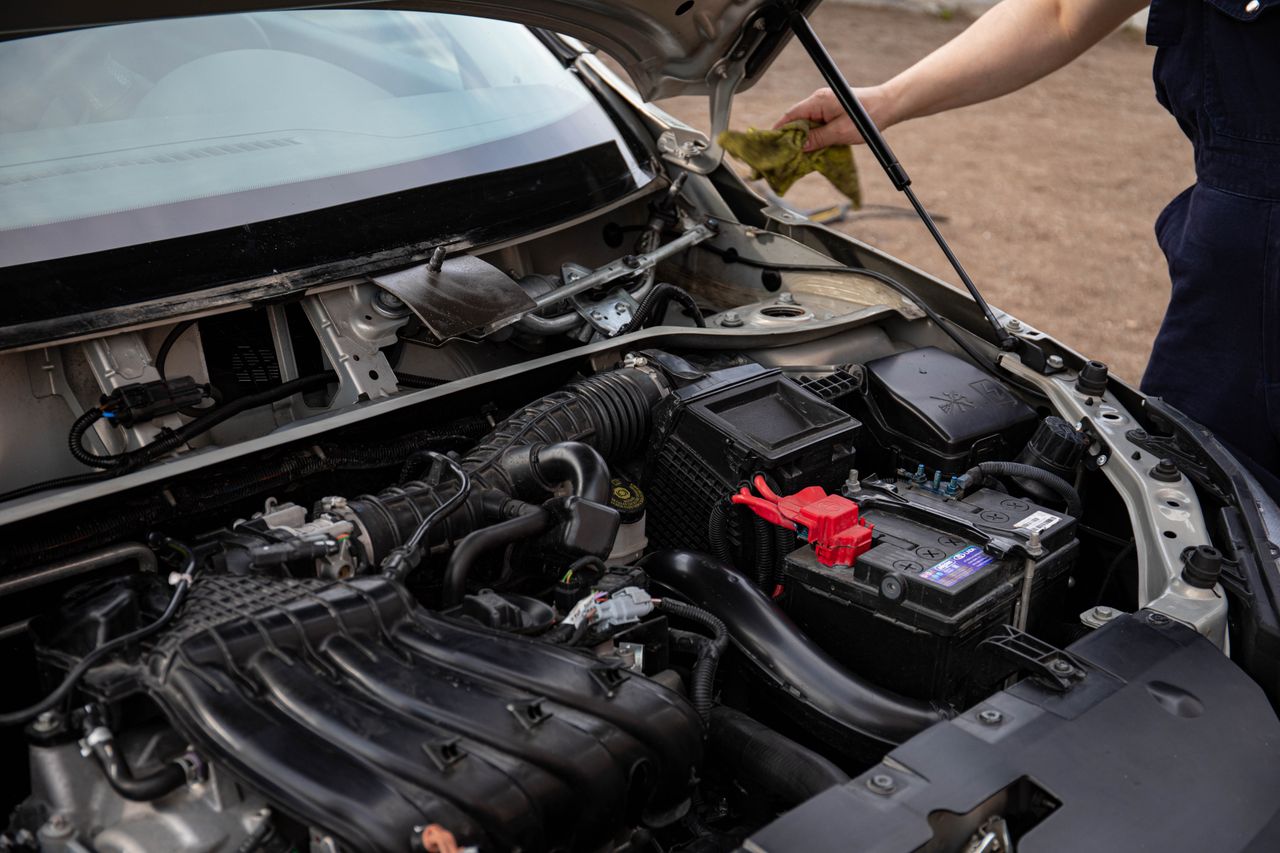
- Pop the hood and look for loose battery clamps that can twist by hand
- Check for green or white crust on the posts and cable ends
- Look for frayed, taped, or homemade-looking wiring near the battery or fuse box
Inside the vehicle, pay attention to small lights that are easy to forget:
- Make sure dome and map lights actually shut off
- Open and close the glovebox and center console to confirm their lights go dark
- Check vanity mirror and cargo lights for stuck switches
After you turn the engine off and close the doors, listen quietly near the hood. Some humming or clicking right after shutdown can be normal as systems go to sleep. If you hear constant noise long after the vehicle has been parked, a component may be staying awake.
Driving habits matter too. Lots of short trips around Suffolk County, like school runs or quick errands, do not give the alternator much time to recharge the battery. Long periods of idling with AC on high, the stereo loud, and multiple devices charging can also strain a weak battery. Keep the age of the battery in mind; most only last a few years in our climate, especially with winter salt and summer heat.
Hidden Power Thieves, Dash Cams, Chargers, and Add-Ons
Modern add-ons are helpful, but they can quietly drain your battery if they run while the vehicle is off. The more accessories you have, the more important it is to know how they are powered.
Dash cams and security style devices often have parking modes that keep recording or monitoring after you shut off the engine. If they are hardwired incorrectly, they can pull power all night. Check your dash cam or similar accessory for settings such as:
- Parking mode sensitivity or recording time
- Automatic shutoff when voltage drops too low
- Timers that stop recording after a set number of hours
If your Ford will sit for several days, consider unplugging the dash cam or turning off its parking mode. Also think about how many plug-in devices you stack at once, for example a dash cam, radar detector, and GPS or OBD plug-in. Each one adds to the total load on your parked vehicle.
Phone chargers and 12V accessories can also be sneaky. On some models, the 12V outlet or USB port stays live even with the ignition off. That means a charger, cooler, or tire inflator left plugged in can keep drawing power. We suggest:
- Unplugging chargers and accessories when parking for the night
- Replacing cheap, damaged, or very old chargers that may leak power
- Being extra careful if the vehicle will sit unused for more than a day or two
Even a charger with no phone connected can cause issues if it is faulty inside.
Corroded Terminals and Weak Connections to Watch
On Long Island, batteries live a tough life. Salty ocean air, winter road treatments, and humid springs all speed up rust and corrosion. That crust on the battery posts is more than ugly; it creates resistance that makes the starter work harder.
Corrosion and loose connections can cause:
- Slow cranking, even if the battery is fairly new
- Dim headlights or interior lights that pulse
- Extra strain on the alternator as it tries to charge through dirty connections
Do not forget about grounds. The cables that attach to the body and engine need clean, tight contact. If a ground is loose or rusty, you might see random warning lights, odd electrical behavior, or a battery that only sometimes acts weak.
If you feel comfortable with basic under-the-hood checks, you can do a light visual inspection. Always put safety first. Any cleaning should be gentle and careful, with gloves and eye protection, and the negative cable removed before you touch the terminals. If the corrosion is heavy, the battery looks swollen, or plastic around the posts looks melted or burned, stop there and plan on professional Ford battery service in Suffolk County instead of trying to fix it yourself.
When You Need a Professional Battery Diagnostic Test
Sometimes, even after you unplug everything and look for obvious issues, the battery still dies. That is a sign you need trained technicians and proper diagnostic tools.
Watch for warning signs like:
- A dead battery after sitting overnight more than once
- Slow cranking, even with a relatively new battery
- Headlights or dash lights that flicker while driving
- Electrical accessories resetting or shutting off for no clear reason
You might also notice small "ghost" issues. Things like your radio presets or clock resetting, warning lights that come and go, or keyless entry acting strange can point to deeper electrical problems. At that point, testing at home will only get you so far.
A professional diagnostic visit typically includes:
- Measuring the actual parasitic draw with sensitive tools
- Testing battery health under load
- Checking alternator and starter performance
- Scanning control modules for stored fault codes
Trained Ford technicians can also inspect wiring harnesses, look for shorts or stuck relays, and confirm if software updates are needed for certain modules. Getting this done before long summer drives around Long Island or trips off the Island can help prevent breakdowns when your AC, cooling fans, and other electrical systems are working hardest.
Staying ahead of battery drain is much easier than dealing with a no-start on a busy morning. With regular visual checks, smart use of accessories, and timely professional help when warning signs appear, you can keep your Ford ready for daily commutes, beach runs, and weekend getaways across Suffolk County.
Schedule Your Ford Battery Check With Local Experts Today
If your checklist points to a possible parasitic draw or a weak battery, our team at Sayville Ford is ready to help you get clear answers and reliable repairs. Schedule professional Ford battery service in Suffolk County so we can test your system, track down the cause, and recommend the right fix before you end up stranded. If you have questions or want to set up an appointment by phone or email, simply contact us and we will walk you through the next steps.