

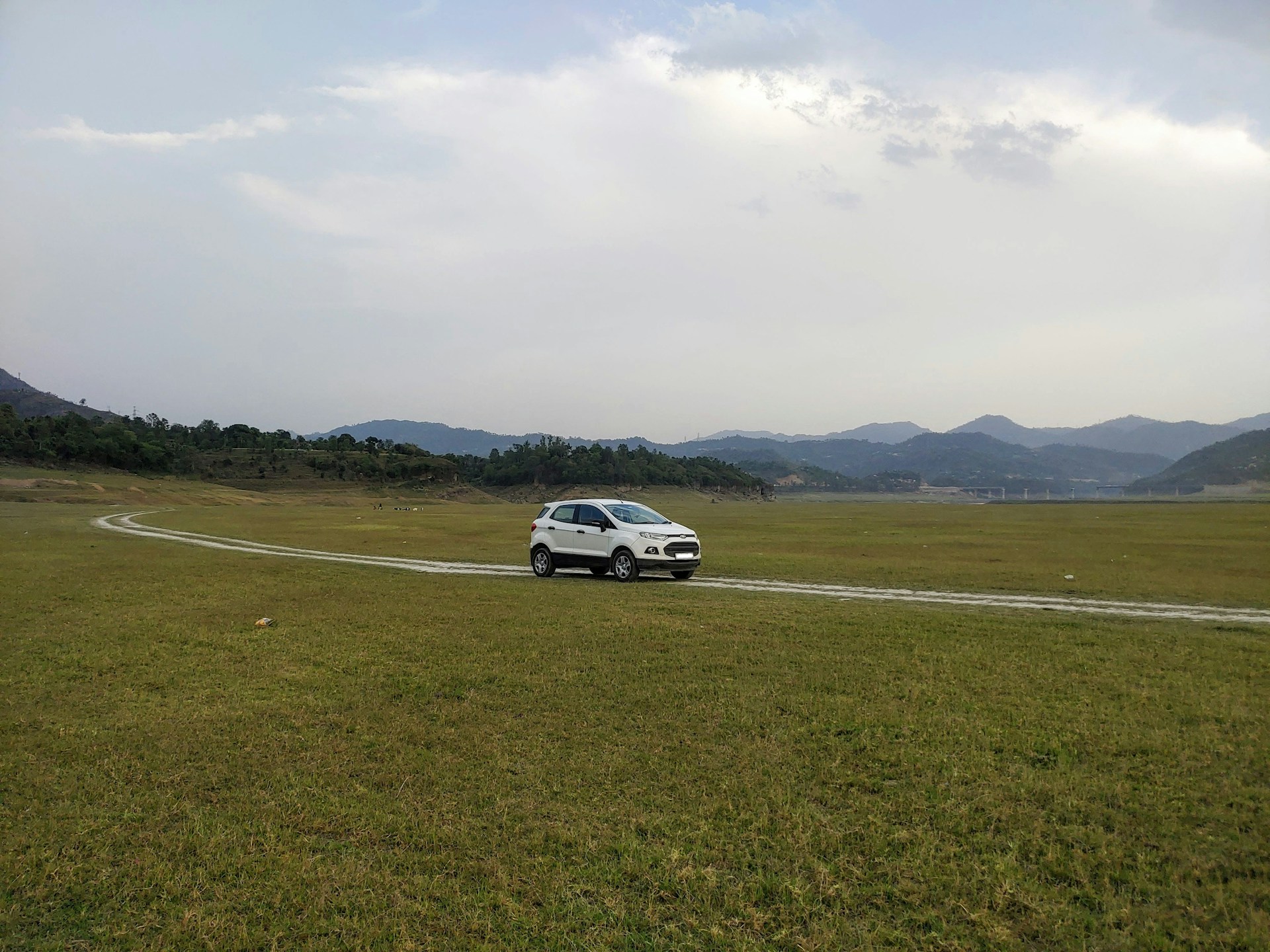
Ford Emergency Braking and ABS on Long Island: Lights, Pedal Feel, Service
Posted at Wed, Jun 10, 2026 9:00 AM
Brake lights and strange pedal feel can be scary, especially in busy Long Island traffic. When a red brake light, ABS light, or a "Service AdvanceTrac" warning pops up, it is easy to panic or slam the brakes even harder. Knowing what those lights mean, and what you feel in the pedal, can help you stay calm and keep control.
In this guide, we will break down how Ford emergency braking and ABS work, what is normal and what is not, and when it is time to plan Ford brake service in Suffolk County. Our goal is to help you understand what your Ford is trying to tell you so you can protect your family and your vehicle on local roads.
Stay Calm When Brake Lights Turn On
You might be cruising on Sunrise Highway or the Long Island Expressway when a warning light suddenly glows on the dash. The red brake light, the amber ABS light, or a stability control notice can spark instant worry. That reaction is normal, but the first step is to stay calm and keep a steady hand on the wheel.
Modern Ford safety systems do more behind the scenes than older vehicles. Anti-lock brakes, emergency braking, and traction control can:
- Apply brakes to individual wheels
- Pulse the brakes very quickly
- Change how the pedal feels under your foot
Because of this, the pedal may buzz, pulse, or feel different when these systems activate. That does not always mean something is broken. When you know how these systems should feel, and what the warning lights mean, it is easier to decide whether you can finish your drive or should plan a stop at a trusted service center on Long Island.
What ABS and Emergency Braking Actually Do
ABS stands for Anti-lock Braking System. On wet, sandy, or uneven Long Island roads, hard braking can cause your wheels to lock up and slide. ABS helps prevent this by rapidly pulsing the brakes so the wheels keep turning a bit. This helps you:
- Maintain steering control during hard stops
- Reduce the chance of skidding straight ahead
- Stop more steadily on slippery pavement
Many newer Ford models also have emergency braking and collision avoidance features, such as Pre-Collision Assist with Automatic Emergency Braking. These systems use sensors to watch the road ahead. If they sense a possible impact and the driver does not react fast enough, the system may:
- Warn you with lights and sounds
- Pre-charge the brakes for quicker response
- Apply the brakes automatically to reduce speed
- On highway drives and in stop-and-go traffic, these systems can work together. ABS helps with control during a hard stop, while emergency braking can help start that stop if a risk is detected. In heavy summer traffic heading toward the beach or ferries, these features are there to support your own quick reactions, not replace them.
Normal Brake Pedal Feel vs. Serious Warning Signs
During a true emergency stop, ABS activation can feel surprising if you are not ready for it. Normal ABS behavior often feels like:
- Rapid pulsing or vibration in the brake pedal
- A buzzing sound from the brakes or under the hood
- Slightly longer pedal travel than in a gentle stop
These sensations are usually normal when you are braking very hard or when the road is slippery. The key is to keep steady pressure on the pedal and let the system do its job. Do not pump the brakes during ABS operation. The system is already pulsing for you.
On the other hand, some pedal and brake symptoms are warning signs that something may be wrong, such as:
- A spongy pedal that feels soft or squishy
- The pedal slowly sinking to the floor at a stop
- Grinding or scraping sounds when braking
- A sharp burning smell from the wheels
- The vehicle pulling strongly to one side
- A rock-hard pedal with poor stopping power
These are not normal ABS feelings. They may point to worn pads, low fluid, a hydraulic issue, or other brake problems. When you notice any of these, it is time to plan Ford brake service in Suffolk County as soon as possible.
Decoding Ford Brake and ABS Warning Lights
Modern Ford dashboards use different warning lights for the braking system. While exact symbols can vary by model, you may see:
- Red brake warning light: Often tied to the main brake system, such as low fluid or a parking brake that is still applied
- ABS light: Points to the Anti-lock Braking System, the base brakes may still work, but ABS control could be limited
- Traction control or stability control icon: Shows when these systems are active or if there is a problem
How the lights behave matters too:
- Light comes on briefly, then goes off: Often a self-check, usually normal if it clears quickly
- Light stays on constantly: Signals a stored issue that needs diagnosis
- Light flashes while driving: May show active system use, such as traction control working on a slippery patch, but repeated flashing can also point to a fault
A simple way to think about it:
- Low priority: Light flicks on once and then clears, note it and watch for repeat
- Medium priority: ABS or traction light stays on but brakes feel normal, try to complete your drive with extra space and plan a check soon
- High priority: Red brake light stays on, brakes feel different, or you notice smells or noises. Slow down, find a safe place to stop, and consider getting help from a trusted Ford service center instead of driving further
Ignoring a persistent brake or ABS light can reduce your safety margin, especially in sudden stops.
When to Service Your Ford Brakes on Long Island
Local roads can be tough on brake systems over time. Long Island drivers deal with:
- Winter road salt that can cause corrosion on brake parts
- Spring potholes that can stress suspension and braking components
- Heavy summer traffic to beaches and ferries that means constant stop-and-go
Because of this, regular brake inspections are very important. Helpful habits include:
- Having brakes checked at routine service visits
- Getting your brake pads inspected when you notice squeaks or longer stopping distances
- Servicing brake fluid and related parts on a regular schedule recommended for your model
- Planning a brake check before long road trips or busy vacation driving
Professional Ford brake service in Suffolk County can include system checks, pad and rotor inspection, fluid checks, and diagnostics for ABS and stability control. Factory-trained technicians and genuine Ford parts help make sure the systems are working the way they were designed for your specific vehicle.
Protect Your Ford Brakes with Local Expert Care
Brake systems give you many early hints before a serious problem shows up. New noises, warning lights, changes in pedal feel, or a sense that your Ford just does not stop like it used to are all signs worth taking seriously. The sooner a trained team looks at the system, the easier it usually is to fix the issue and keep you confident on the road.
At Sayville Ford, we work with drivers from Sayville, Patchogue, Bayport, and across Suffolk County who want their Ford braking and ABS systems checked and cared for the right way. By paying attention to warning lights, learning what normal ABS operation feels like, and staying ahead of seasonal wear, you help keep your family safer while protecting the long-term value of your vehicle on Long Island roads.
Schedule Confident Brake Care Before Your Next Long Island Drive
If your brake warning lights are on or the pedal feel is not quite right, we want to help you get clear answers and safe stopping power. Our factory-trained technicians at Sayville Ford can inspect your ABS and emergency braking system, explain what is happening, and recommend only the work you truly need. Schedule your Ford brake service in Suffolk County today, or contact us with any questions about your dashboard lights or brake performance.