

Why Your Ford Brake Pedal Feels Soft And How To Fix It
Posted at Sun, Jul 6, 2025 5:00 PM
A soft or spongy brake pedal isn’t just annoying. It’s often a sign that something more serious is going on in your braking system. You push down expecting firmness, but instead, the pedal sinks lower than normal or doesn’t hold pressure. That can make any drive feel uncertain, especially if your Ford usually reacts confidently when braking.
When a brake pedal doesn’t feel right, it isn’t something to brush off. Brake issues can get worse without much notice, and ignoring signs like this can lead to bigger problems and unsafe situations. Knowing what causes a soft pedal can help you figure out your next steps before it becomes a more expensive repair. At Sayville Ford, we care deeply about keeping Long Island drivers safe with reliable service and parts you can count on.
Common Causes Of A Soft Brake Pedal
A soft brake pedal usually ties back to something going wrong in the hydraulic brake system. That system relies heavily on pressure. If anything prevents the proper buildup or flow of brake fluid, the pedal feels soft or slow to respond.
Some common reasons include the following:
- Air in the brake lines. Brake fluid doesn’t compress, which makes the system responsive. But air does compress, and when it works its way into the lines, it prevents pressure from building the way it should. That’s what creates that spongy feeling.
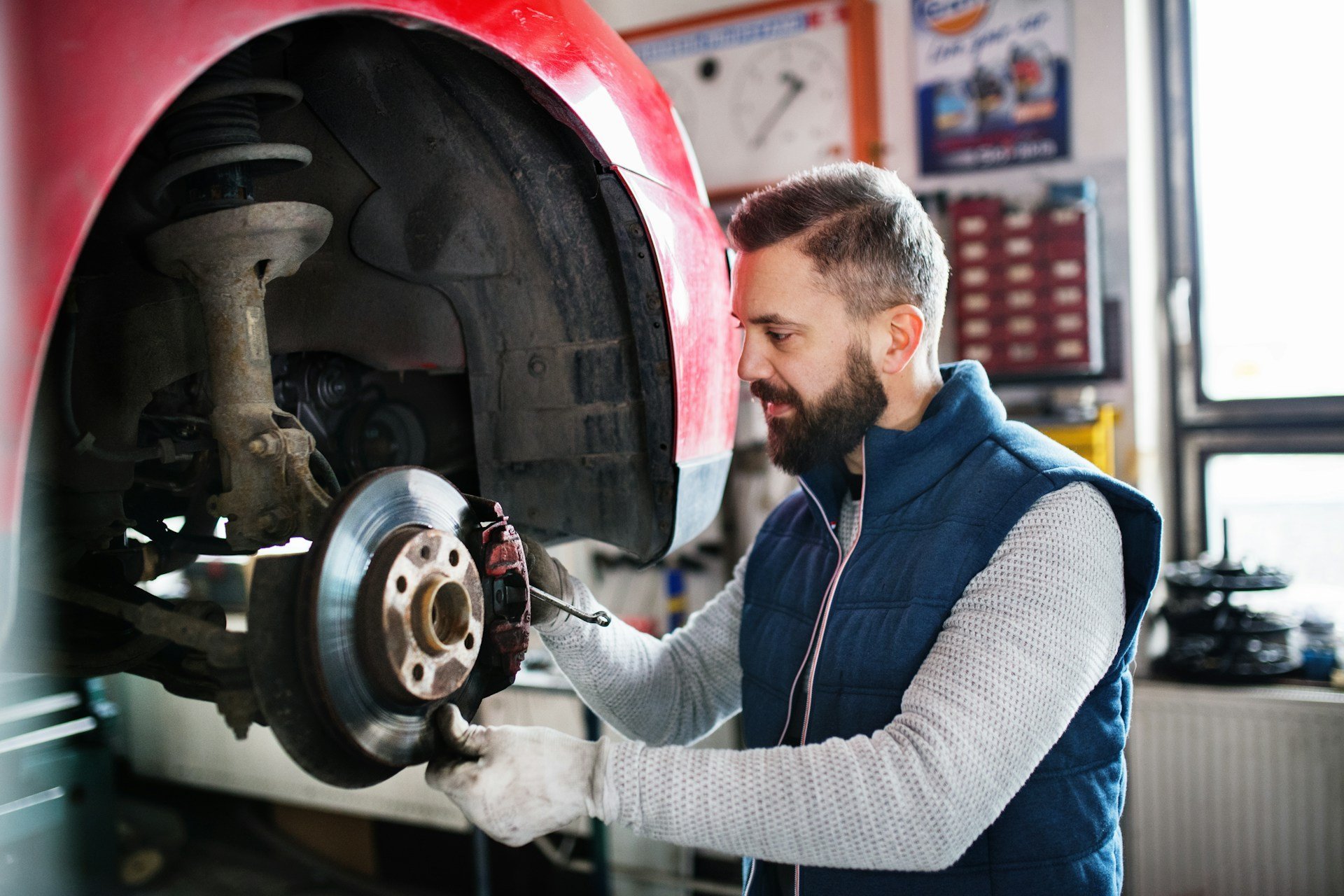
- Worn brake pads. As your pads wear down, they need to travel farther before making contact with the rotors. That extra gap creates more movement at the pedal each time you stop, making it feel less firm.
- Brake fluid leaks. Leaking fluid means a loss of the pressure your brake system needs to work correctly. It not only softens pedal feel, but it also lowers overall braking performance. Large or hidden leaks can be dangerous and should be addressed quickly.
- Brake master cylinder issues. This part is responsible for pushing brake fluid through the system. If its internal seals fail or it loses fluid, your pedal response will change, usually for the worse.
- Damaged brake lines or hoses. Rust, road debris, or wear and tear can eat away at brake lines over time. When they get weak or break down, they can’t maintain the pressure needed for a quick, strong response.
Soft brake pedals often come with other clues. You might notice longer stopping distances, a delayed response when braking, or that you need to press nearly to the floor before the car really slows down.
Diagnosing The Problem
Getting a clear read on what’s causing the issue can be tricky without experience, but there are a few steps you can take to get an idea of what’s going on before bringing your car in.
Here’s what we suggest checking:
- Look at the brake fluid reservoir under the hood. If the level is lower than it should be, it could mean there’s a leak, or your brake pads are worn.
- Check the ground under your parked vehicle. Wet spots, especially under the wheels or closer to the middle of the underside, may be dripping brake fluid.
- With the engine off, press the brake pedal a few times. If it continues to sink slowly toward the floor, your system may be losing pressure somewhere.
- Keep an eye on the brake warning light. If it comes on and stays on, there’s something in the system not working as it should.
Even if you pinpoint a possible issue, it’s best not to try fixing it yourself. Brake systems involve detailed parts and pressurized fluid. It’s always a safer bet to let trained professionals run a full brake inspection with the right tools and knowledge.
How To Fix A Soft Brake Pedal
The fix always depends on the cause, and for that, inspection comes first. Once the issue is clear, the repairs often involve one or more of the following:
- Bleeding the brake lines. This process removes any air trapped in the system and helps restore proper pressure. Doing it right takes care and experience, and it often fixes the soft pedal feel when air is the problem.
- Replacing worn brake pads. Brake pads naturally wear down over time. Thin pads can reduce how responsive the system feels. Swapping them out gives you better braking power and a firmer pedal again.
- Replacing damaged components. This includes seals in the master cylinder, worn hoses, or cracked lines. These parts are critical to keep the system sealed and pressurized.
- Full brake fluid service. On Long Island, seasonal shifts and humidity can affect the condition of brake fluid. Over time, it absorbs moisture and becomes less effective. Replacing the old fluid with clean, fresh fluid, or doing a complete system flush, brings back performance and keeps parts lasting longer.
These repairs return your braking system to full strength. If the problem lingers after service, it’s worth checking deeper components like the ABS control module or the booster. For those, a more advanced inspection is usually needed.
Preventive Maintenance Tips
Keeping brakes strong and responsive doesn't happen on its own. But with the right habits and routine service, you can avoid problems long before they affect your drive.
Here are some simple things we recommend:
- Fluid checks. Keep an eye on your brake fluid levels. Think of it like oil or washer fluid—check it during seasonal maintenance or every few oil changes.
- Change brake pads on schedule. Don't wait until they're screeching. Having pads replaced before they thin too much protects other parts and keeps braking consistent.
- Schedule inspections. A visual check by certified techs uncovers early wear or damage you might miss. That extra peace of mind is worth the visit.
- Choose quality parts. Original or certified replacement parts usually last longer and work better than off-brand options. They’re built with your vehicle in mind and have been tested for proper performance.
Consistent care saves you from surprise issues, lowers long-term repair costs, and keeps your Ford stopping strong.
Stay Ahead of Brake Problems With Sayville Ford
When your Ford's brake pedal feels off—especially if it’s soft or slow to come back—don’t wait around hoping it will fix itself. It’s worth getting it looked at before anything more serious happens. With so many parts working together in your brake system, it takes proper care and the right approach to keep things running safely and smoothly.
Issues like leaks, worn parts, or old brake fluid might seem small at first but can grow into serious problems if left unattended. Staying proactive helps you avoid that. And when it comes to your safety on the road, getting timely service is always the right call.
Sayville Ford is proud to serve Suffolk County drivers with honest, reliable support and expert brake service. Whether it’s time to inspect your system, refill fluid, or replace worn parts, our service team is here to help make sure your Ford feels right with every stop you make.
If your brake pedal feels soft or unresponsive, it’s a good idea to have your system checked before hitting the road again. At Sayville Ford, our team is ready to help you drive with confidence. Schedule your next Ford brake fluid service on Long Island with us and let our certified technicians ensure everything's working the way it should.