

What To Do When Your Ford's Lights Keep Flickering
Posted at Sun, Sep 28, 2025 5:00 PM
Flickering lights in your Ford aren’t something you want to brush off. Whether it’s your headlights blinking while driving or your interior lights randomly dimming, that kind of behavior usually points to an issue that’s more than a loose bulb. It can be a warning sign that there’s something going wrong with your vehicle’s electrical system, and catching it early can save you time, money, and a serious headache later on.
As the weather cools down in Suffolk County and the days get shorter, your headlights, dashboard lights, and other electrical pieces become even more important. Seeing flickering lights isn’t just annoying—it can affect your safety, especially during early morning commutes or evening errands. If your Ford’s lights are flickering, here's what could be going on and why it's something you don’t want to ignore.
Common Causes of Flickering Lights
Your Ford doesn't flicker its lights for no reason. When this happens, there’s usually something off-balance in the way your vehicle’s electrical system is working. Here are a few of the usual suspects:
- Weak or failing battery: A battery that’s near the end of its lifespan might not be delivering consistent power. If your lights flash or dim occasionally, especially when starting your car, the battery could be the issue.
- Alternator issues: The alternator keeps your car's battery charged and powers the electrical system while you drive. If it's struggling or wearing out, your lights may pulse or flicker.
- Loose or corroded connections: It could be as simple as a wire that’s come loose or corroded battery terminals. These poor connections can interrupt the electricity flow.
- Worn-out light bulbs or faulty wiring: Flickering can happen when a bulb is about to go out or if the wiring feeding it is damaged or fraying.
- Accessory overload: If you're running multiple devices like phone chargers, heated seats, or the defroster at once, your system might get temporarily overloaded.
One helpful way to narrow things down is by noticing when the flickering tends to happen. If it’s only while the engine is running, the alternator could be the culprit. If it occurs even when the car is off, the battery or wiring might be the issue.
Picture this: it’s a cool October morning in Suffolk County, and you turn on your car to head out. While adjusting your HVAC settings, the lights inside your Ford flicker. That might be a red flag from your battery struggling to keep up and a sign that your system needs attention now before it becomes a bigger issue.
Diagnosing the Problem
Some electrical problems can be tricky to pinpoint, but there are a few visual checks you can do to get a better idea of what could be wrong. These don’t take long and might give you a clearer next step if your lights keep acting up.
Try these steps:
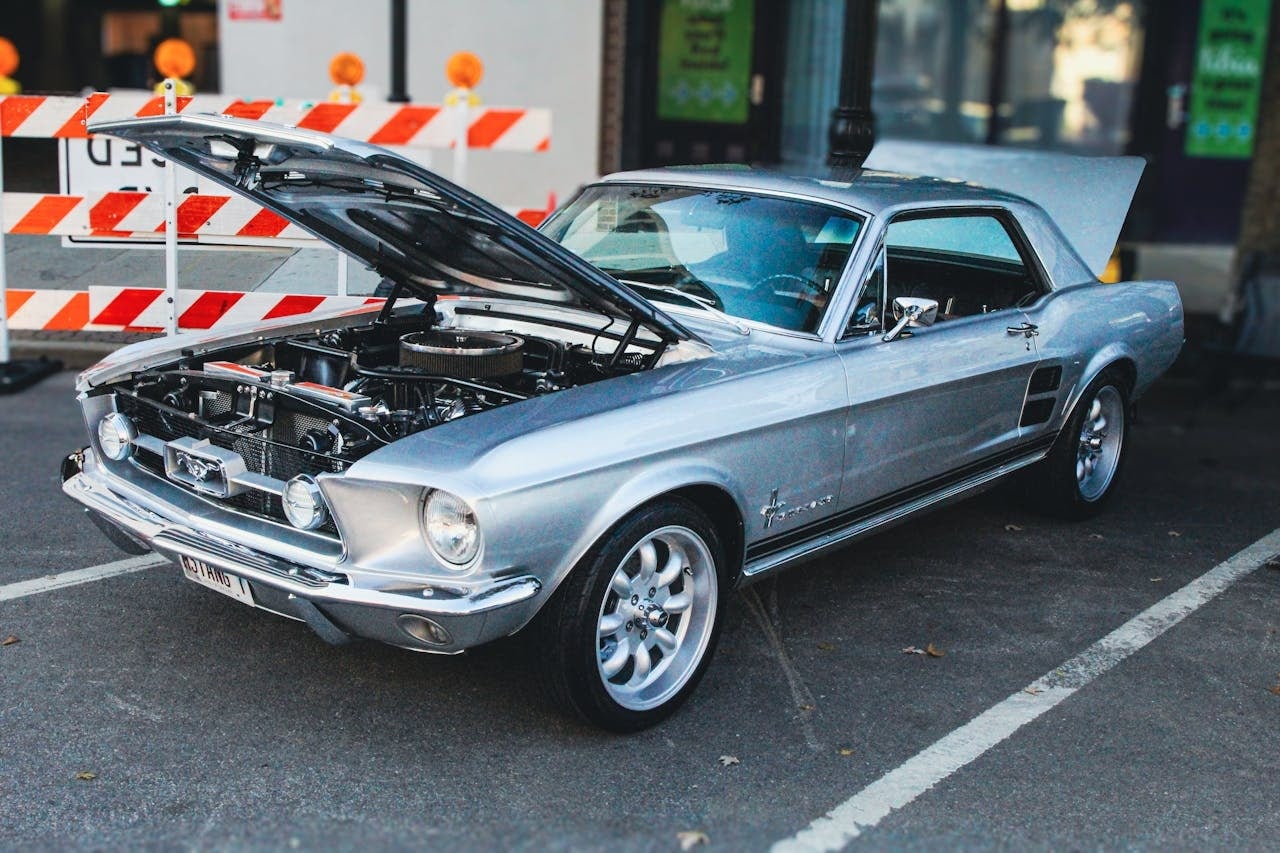
- Pop the hood and check the battery terminals. Look for white or blue powdery buildup, which is a sign of corrosion. Gently wiggle the cables to see if they feel loose.
- Inspect the alternator belt. The belt should be tight and free from cracks. If it’s slipping or worn out, your alternator might not be charging the battery properly.
- Check the visible wires. Look near the battery and fuse box for frayed, bent, or disconnected wires. Damage here can mess with your lighting system.
- Review your fuses using your owner’s manual. A blown fuse connected to your lights can be a really simple fix to a flickering problem.
While these steps can be helpful, they might not solve it all. Newer Ford vehicles run on advanced electrical systems with modules and voltage regulators that aren’t easy to inspect on your own. If the lights keep flickering or the problem gets worse, that’s your cue to visit someone who knows how to handle Ford electrical service on Long Island. A trained technician can run full diagnostic tests and identify problems you can't see at a glance.
Preventive Maintenance Tips
Keeping your lights shining steady is easier when you stay on top of regular upkeep. These simple habits can help you avoid flickering issues before they ever start.
- Batteries need regular checks: Make time to test your battery’s health, especially before colder seasons. Replacing an aging battery early can save you the stress of unexplained flickering.
- Pay attention to your alternator: An alternator that’s working properly keeps your lights stable while you’re driving. If it starts making odd noises or dashboard warning lights come on, don’t wait. Get it looked at soon.
- Watch wiring harnesses over time: These wiring bundles keep everything connected. Look for signs like loose wires or cracked insulation and get any concerns checked early.
- Stick with scheduled maintenance: Routine service appointments often include inspections of your electrical components. Getting your Ford checked regularly helps catch smaller faults before they turn into bigger, costlier problems.
This kind of care not only keeps the flicker out but keeps your vehicle’s performance smooth over time. As your days get busier, a little preventive maintenance can go a long way in keeping your Ford safe and dependable.
When to Seek Professional Help
There are times when even the most diligent upkeep won’t fix the problem. Flickering lights can be symptoms of a more complicated electrical issue, and waiting too long can create bigger headaches. Here’s when it’s best to call the experts:
- Persistent flickering: If it feels like your lights are in a light show despite your efforts, don’t guess. A deeper diagnostic check is the smartest next move.
- Odd smells or sounds: Burnt smells from the engine bay or strange clicks can mean electrical parts are overheating or arcing. That’s not something to brush off.
- Dashboard warnings: If lights on your dashboard stay lit or flash unexpectedly, your car is likely detecting a system fault that needs attention.
- Changes in performance: Starting delays, weaker headlights, or random light behavior could all point to a larger electrical issue that’s starting to spread.
Safety takes top priority, and issues like these should never be ignored. Getting a Ford electrical service on Long Island means your vehicle will be checked by people who specialize in your make and model. They know what to look for and how to fix it efficiently and correctly.
Why Getting Ahead of Flickering Lights Matters
Fixing flickering lights doesn’t just keep your car looking good on the road. It keeps you safer and prevents more serious issues from taking root. A light that blinks every so often could mean a failing alternator, a crack in your wiring, or a signal that your vehicle’s systems are struggling more than you realize.
By staying on schedule with battery and alternator checkups, reviewing visible connections, and acting when you notice early signs, you can avoid those unexpected breakdowns. But when things go beyond a quick check, it’s best to let experts take it from there. A qualified service team can return your lights (and peace of mind) back to normal with reliable equipment and years of experience working on Ford vehicles.
Staying ahead of electrical issues in your Ford begins with spotting symptoms like flickering lights and ends with trusted service that gets to the source. When your lights tell you something’s off, don’t wait—get it checked out and keep your drives safe and smooth.
If you're noticing flickering lights or other electrical problems in your vehicle, it may be time to schedule a trusted Ford electrical service on Long Island. The experienced technicians at Sayville Ford are here to diagnose the issue and get your vehicle back to performing the way it should.