
Explorer Seating and Cargo: What Changes From Trim to Trim
Posted at Mon, Dec 7, 2026 1:00 PM
THE SHORT ANSWER
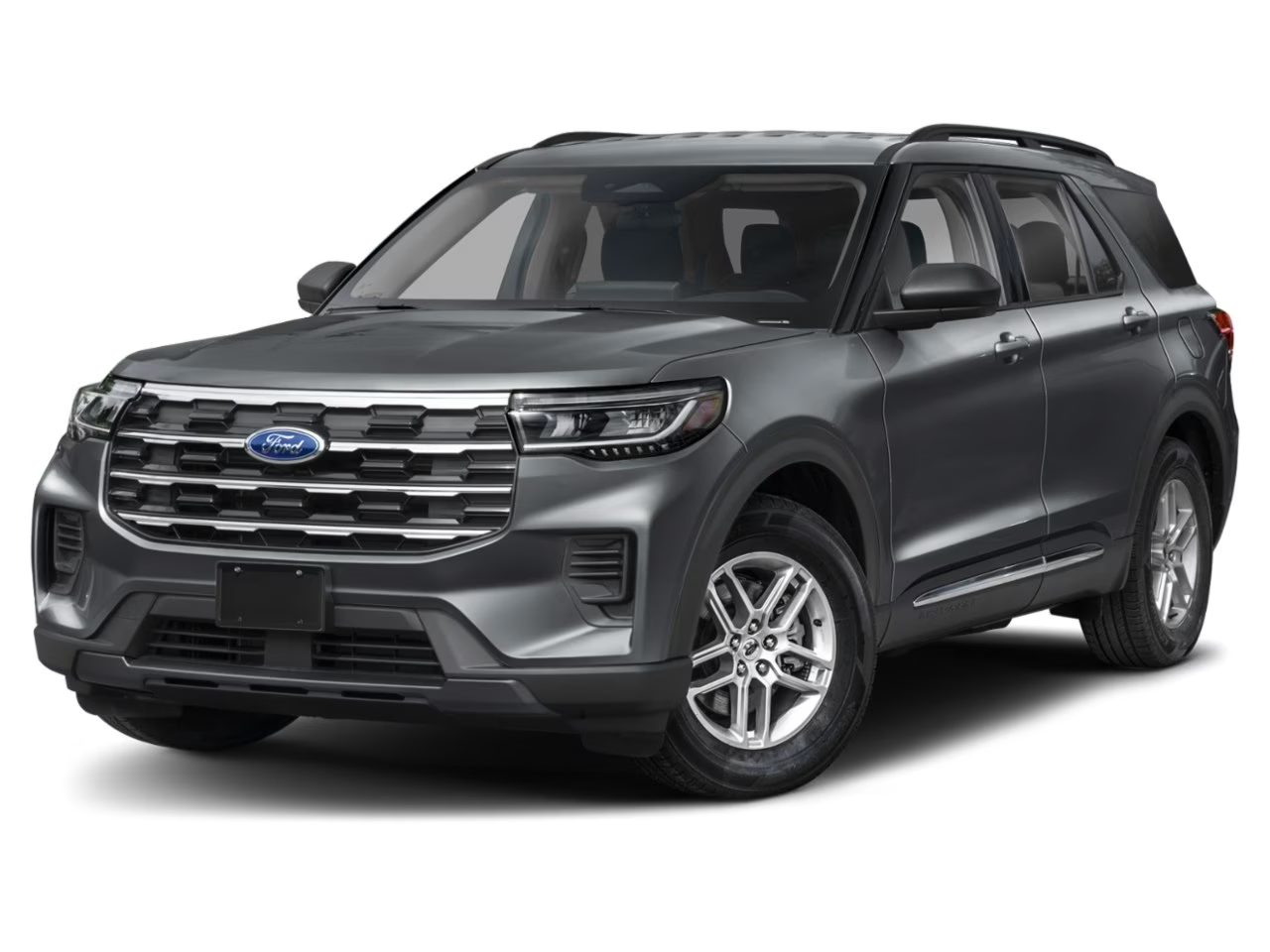
Seating and cargo space stay the same across the 2027 Explorer lineup. Every trim, from Active to Platinum, seats seven and offers 16.3 cubic feet of cargo space. What changes from trim to trim is the drivetrain, the engine, fuel economy and price, so pick yours for how you drive, not for how much room you get.
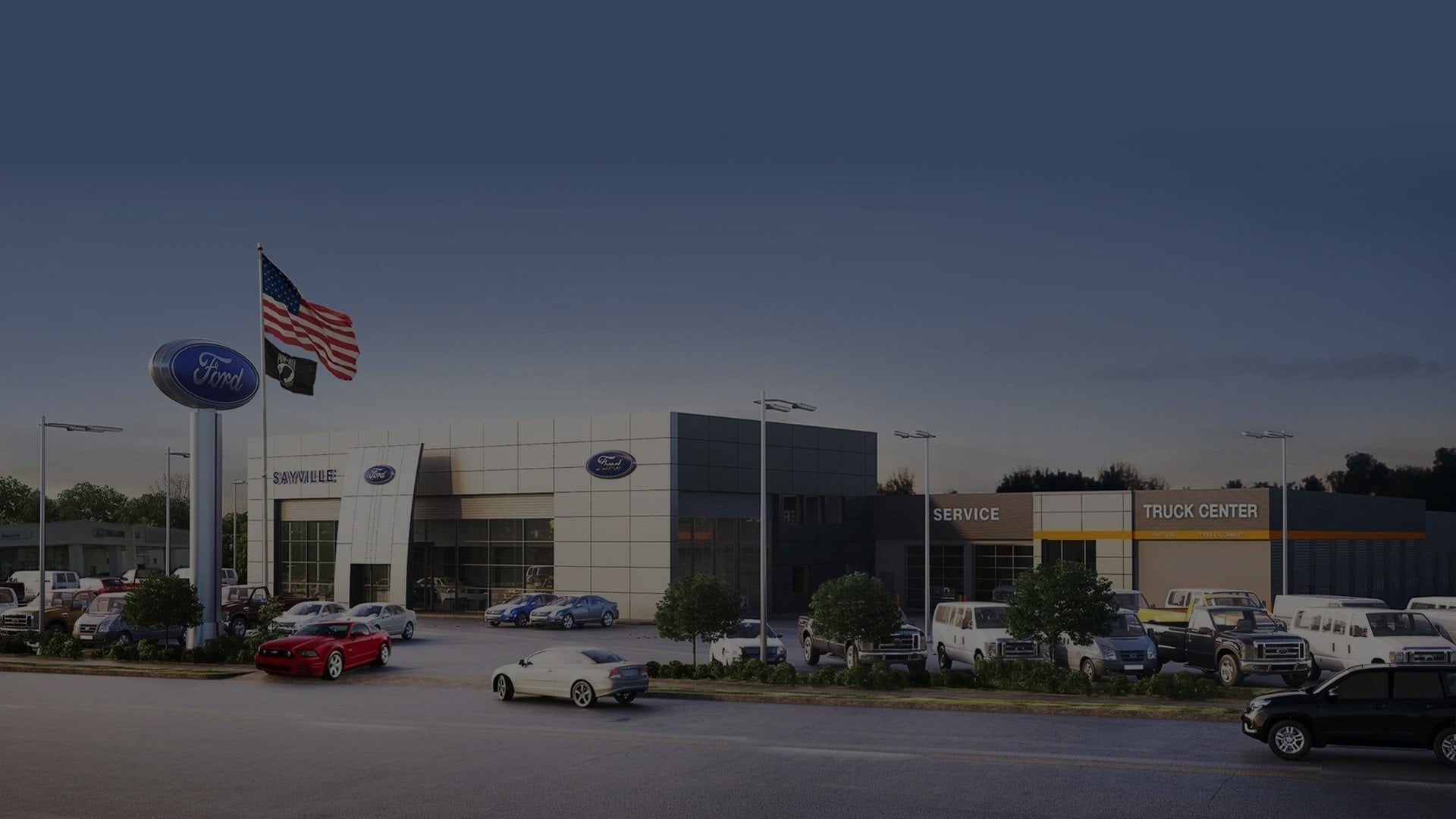
Shopping for a three-row SUV usually comes down to one question: will everybody and everything fit? With the 2027 Ford Explorer, the answer is simpler than most people expect, and it changes how you should compare trims. Here at Sayville Ford in Sayville, we walk families through this lineup all the time, so here's how passenger room and cargo space really line up from the Active to the Platinum, and what's worth your attention instead.
IN THIS POST
Seven Seats, No Matter the Badge

Start with the easy part: you can't choose the wrong Explorer for headcount. From the Active up through the ST and Platinum, the 2027 lineup seats seven people across three rows.
That surprises plenty of shoppers. A lot of folks assume a pricier trim buys a roomier SUV, but a Tremor won't carry one more passenger than an Active, and a Platinum doesn't add a spot for the grandparents.
Moving up the ladder changes how the cabin feels around those seats. Finishes, materials and comfort touches vary between trims, and that's something you'll want to judge by sitting in a few. Capacity stays put.
So if your first question is whether the whole family fits, you have your answer before you look at a single price. That frees you to focus on what actually differs: which wheels get the power, what's under the hood, what you'll see at the pump and what you'll pay.
One practical habit before you commit: put the tallest person in your household in the third row for a few minutes. Midsize three-row SUVs tend to treat that row best on shorter trips, and it's better to learn how your crew feels back there in the showroom than on the way to a holiday dinner in Montauk.
Cargo Space Doesn't Grow With the Price

Ford rates the cargo area at 16.3 cubic feet on every 2027 Explorer trim. Whatever fits in the back of an Active fits in the back of an ST or a Platinum, so there's no reason to stretch your budget chasing a bigger trunk.
Your usable space on any given day depends far more on how many seats you need up. Fold rows down and you trade passenger room for hauling room. A Saturday with all seven aboard looks very different from a run to the garden center with two people up front.
Before you shop, think through your heaviest-use days and measure the items that ride along most often:
- A folded stroller or a wagon for the beach
- Hockey, lacrosse or golf bags
- A large cooler for a Fire Island day trip
- Luggage for a family flight out of Islip
- Dog crates, if you have a four-legged passenger
Bring a couple of those with you, or at least the measurements. Loading your actual stuff tells you more than any number on a window sticker, and since cargo space won't change between trims, you only have to run the test once.
What You're Paying For Instead
If room stays the same, where does the money go? The 2027 Explorer runs from the Active (4WD) at $40,680 up to the Platinum (4WD) at $56,675, and that spread pays for other things.
Here's what really separates one trim from the next:
- Drivetrain: rear-wheel drive or 4-wheel drive
- Engine: the standard four-cylinder or an available V6
- Fuel economy, which shifts with drivetrain and engine
- Styling, interior finishes and comfort features
One pricing detail catches people off guard. The Active (2WD) carries an MSRP of $42,400, which is higher than its 4WD sibling. If you're weighing the two, ask us to walk you through what comes on each so you're comparing the actual vehicles and not just the drivetrain label.
MSRP is a starting point, not the final number you'll pay once taxes and fees come in. It's worth checking our current offers on new Fords before you settle on a trim, since the gap between two Explorers can look different once any incentives are factored in. Then pick the trim that matches how you drive, knowing the seats and cargo area come along either way.
Rear-Wheel Drive or 4WD on Long Island

Three trims come both ways: the Active, the ST-Line and the Platinum. You'll see each offered as a 2WD, which means rear-wheel drive, or as a 4WD. The Tremor and the ST are 4-wheel drive only.
Neither choice affects your seating or cargo room, so this decision is about where and when you drive. If your week is mostly Montauk Highway, Sunrise Highway and the Sayville side streets, and you're comfortable with a good set of winter tires, rear-wheel drive can serve you well.
When 4WD earns its keep
Long Island winters aren't Buffalo winters, but a nor'easter can still turn the Southern State into a slushy mess and leave side roads unplowed for a day. If you commute early, drive for work, or haul a full load of kids through whatever January throws at you, 4WD adds traction and peace of mind.
The same goes for sandy beach parking lots and gravel driveways out east. Whichever setup you choose, regular maintenance keeps it working the way it should. Our Ford factory-trained, certified service technicians know these drivetrains well, and you can book service online when it's time for a checkup.
Engines for a Full Cabin
Seven passengers plus their gear add up to real weight, and that's when the engine matters most. Most of the lineup runs a 2.3L EcoBoost I-4 with Auto Start-Stop Technology, rated at 300 hp. For a lot of families, that's plenty for school runs, errands and highway trips.
The ST steps up to a 3.0L twin-turbocharged EcoBoost V6 rated at 400 hp. It's built around performance, but that extra muscle also shows up when you're merging onto the Long Island Expressway with every seat filled and the cargo area packed for a week away.
The middle ground
The Tremor and both Platinum versions come standard with the four-cylinder and offer the available V6 as an upgrade. That gives you a way to pair the Platinum's comfort or the Tremor's 4WD focus with more power, without stepping into the ST.
A good rule of thumb: if you regularly drive loaded, with passengers, sports gear and luggage all at once, test drive both engines with weight on board. A light solo spin around the block won't tell you much about how the SUV pulls on a full-family trip to the Hamptons in August traffic.
Fuel Economy When Every Seat Is Full
Since cargo and seating stay fixed, fuel economy is one of the clearest everyday differences between trims. The rear-wheel-drive Active and ST-Line lead the lineup at 24 mpg combined, while the Tremor and Platinum (4WD) sit at 19 mpg combined.
The 4WD versions of the Active and ST-Line land close behind the leaders at 23 mpg combined. That small gap is worth weighing against the winter confidence 4WD brings, especially if you put a lot of miles on the parkways.
The ST and the Platinum (2WD) share a rating of 21 mpg combined. Keep in mind that ratings assume typical driving. A fully loaded Explorer with seven people and a roof bag on the way upstate will use more fuel than the same SUV carrying one commuter to Ronkonkoma station.
Fuel is part of what you'll actually spend each month, not just the payment. If you drive a lot, a trim with better mileage can offset some of its cost over time. When you sit down to set a budget, it helps to explore financing options with those running costs in mind so the number you land on fits real life, not just the sticker.
Matching the Space to Your Week
Since every Explorer gives you the same room, picture how you'll use it and let that steer the rest of your choice.
Beach days and ferry runs
Summer in Sayville often means a trip to the Fire Island ferries with chairs, umbrellas, a cooler and a couple of extra kids. On those days you'll probably want all three rows up and smart packing in the back. Soft bags squeeze into corners better than hard cases, and a cargo organizer keeps sandy gear from sliding around.
School, sports and errands
During the school year the third row may spend more time folded than in use. That opens up the cargo area for hockey bags, science projects and a big grocery run. If your kids are in car seats, think about which row they'll ride in and how easily older kids can reach the back.
For some families, a new Explorer stretches the budget. A certified pre-owned Explorer is worth a look, but check the details on any earlier model year, since seating and cargo can differ from the 2027 lineup. Try the space out the same way you would on a new one.
Test the Space Before You Sign
Numbers only go so far. The best way to judge an Explorer's room is to load it up yourself, and you don't have to make a special trip to do it.
We offer video walkarounds and at-home test drives, so you can see the third row and cargo area on a screen first, then try the SUV in your own driveway with your own gear. Here's a quick checklist for that visit:
- Install your car seats and check how easily you can buckle them
- Have the oldest kids climb into the third row on their own
- Fold and raise the seats a few times to see how simple it is
- Load the stroller, cooler or sports bags you use most
- Check sightlines out the back with the cargo area full
Take your time with it. A ten-minute check can save you years of wrestling with a setup that doesn't suit your family.
When you're ready to compare trims side by side, you can browse new Explorer inventory online and narrow it down by drivetrain or engine. Since the room is the same across the board, your shortlist will come down to how you drive and what fits your budget.
Where
5686 Sunrise Hwy
Sayville, NY
Call
KEY TAKEAWAYS
- All 2027 Explorer trims seat seven and share the same cargo rating, so paying more doesn't buy more room.
- Trims differ in rear-wheel drive versus 4WD, the engine under the hood, fuel economy and price.
- Test the space with your own car seats, gear and tallest passengers before deciding.
FAQ
Common questions
Do higher Explorer trims have more cargo space?
No. Every 2027 Explorer, from the Active to the Platinum, has the same 16.3 cubic feet of cargo space. Spending more gets you differences in drivetrain, engine, fuel economy and features, not a bigger cargo area.
Can any 2027 Explorer seat seven people?
Yes. All trims seat seven across three rows. Have your tallest passengers try the third row before you buy, since that's where comfort varies most from person to person.
Which Explorer trims come with rear-wheel drive?
The Active, ST-Line and Platinum are each offered as a 2WD with rear-wheel drive or as a 4WD. The Tremor and ST come with 4-wheel drive only.
Which Explorer is best for carrying a full load of passengers and gear?
Any trim gives you the same room. If you often drive fully loaded, consider more power: the ST has a 400 hp V6, and the Tremor and Platinum offer an available 3.0L twin-turbocharged V6. Test drive with weight on board to feel the difference.
Can I check an Explorer's seating and cargo area without coming to the store?
Yes. Sayville Ford offers video walkarounds and at-home test drives, so you can see the space on video first and then load your own car seats and gear at home.
Want to see it in person?
Browse what is on the lot right now, or come by and see it in person.
Or call (631) 589-4800 · 5686 Sunrise Hwy, Sayville