

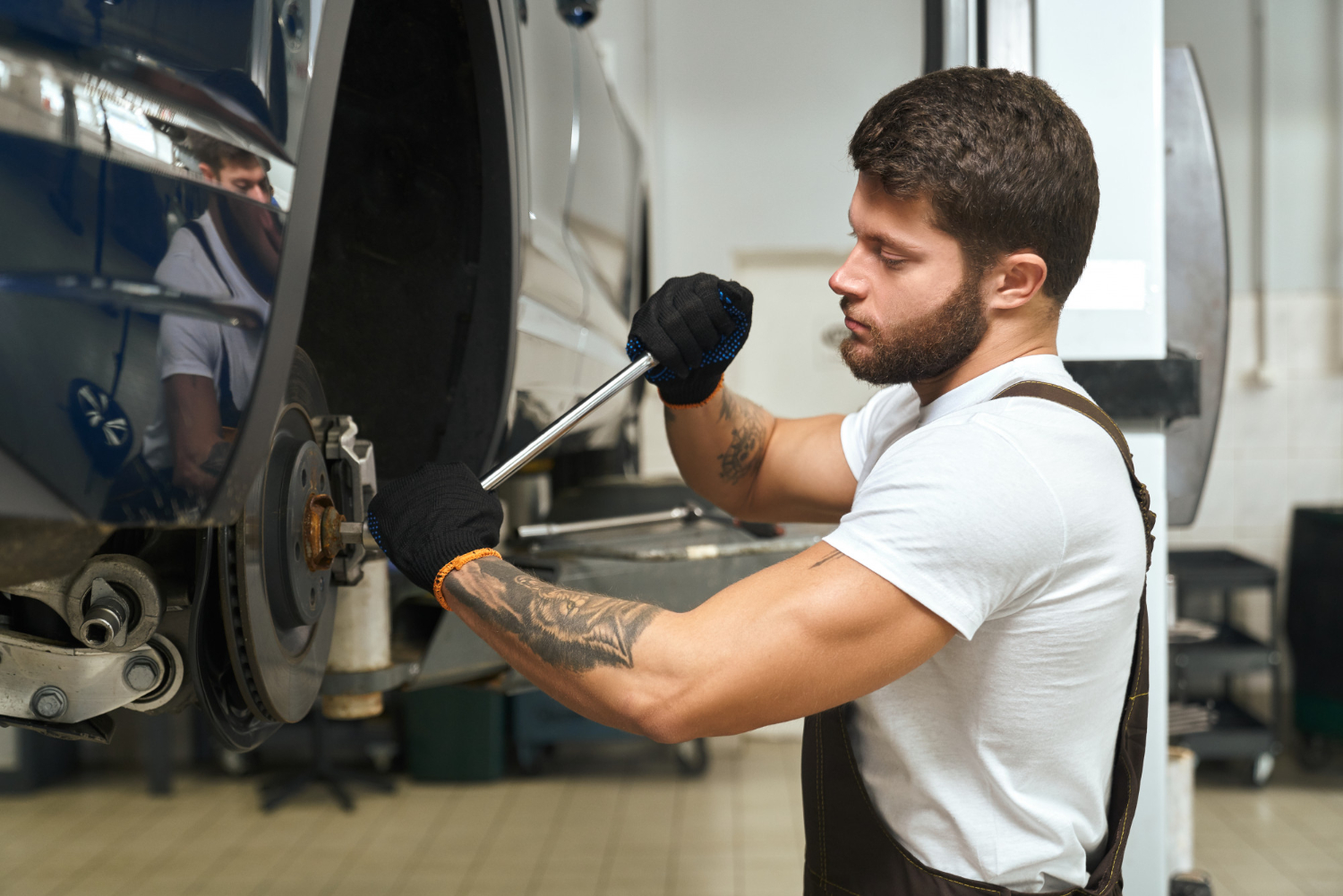
Summer Ford Brake Service Myths Long Island Drivers Should Ignore
Posted at Sun, Jun 28, 2026 9:00 AM
Stop Summer Brake Myths From Ruining Your Drive
Hearing a brake squeal right before a big beach day is stressful. Many drivers tell themselves it can wait until the weather cools down, especially if the car still stops. That choice can turn a fun Long Island summer into a headache on the side of Sunrise Highway or the Long Island Expressway.
Summer is actually a busy season for your brakes. There are more road trips, heavier traffic heading to ferries and beaches, and hotter pavement that keeps temperatures up around your wheels. When you mix in towing, weekend gear, or a full car of family and friends, your brake system has to work even harder.
Bad advice and common brake myths can push people to delay service, ignore warning signs, or skip key maintenance. That is how small issues turn into unsafe stops or big repair bills. We want to cut through the noise and share what really matters for Ford brake service in Suffolk County, so you can enjoy the season with more peace of mind.
In this article, we will walk through the top summer brake myths, explain what is actually going on with your Ford, and show simple ways to protect your family, your brakes, and your road trips.
Myth 1: “Summer Heat Is No Big Deal for Brakes”
Warm weather might feel easy on your car, but your brakes tell a different story. On Long Island, it is common to sit in slow traffic, roll into parking areas near the water, and make frequent stops at lights and intersections. Every stop creates heat in your pads, rotors, and brake fluid.
Modern Ford brakes are built to handle heat, but they still have limits. When you press the pedal over and over, especially while:
- Driving in stop-and-go traffic on major roads
- Towing a small boat, trailer, or camper
- Heading through hilly areas or tight back roads
- Carrying a full load of people and gear
your brakes do a lot of heavy work. That can lead to brake fade, where the pedal feels normal but the car does not slow down as quickly as you expect. Rotors can also warp or develop uneven spots, and pads can glaze or get slick from too much heat.
The tricky part is that brakes can feel “fine” in easy driving but struggle during a hard stop or on a long downhill. Hidden wear like:
- Glazed pads
- Uneven pad deposits on rotors
- Brake fluid that has been overheated
often only shows up when you really need maximum stopping power. That is why a scheduled brake inspection before and after your busiest driving months is a smart move. A quick look from a trained technician can catch issues early and keep your Ford ready for long drives, ferry runs, and daily errands.
Myth 2: “If It Still Stops, My Brakes Are Fine”
Many drivers wait until the brakes feel terrible before doing anything. The car still stops, so they assume everything is okay. The trouble is, brakes rarely fail all at once. They usually give small hints first.
Common warning signs include:
- A soft or spongy brake pedal
- A vibration or shake in the steering wheel when braking
- Squealing, scraping, or grinding sounds
- A longer distance needed to come to a full stop
When you catch these signs early, the fix is often simple, like replacing pads or machining rotors. If you wait until there is grinding or serious shaking, you can end up needing rotors, calipers, and new hardware. That means more time in the shop and a bigger job than it had to be.
Newer Ford models can also adjust braking power electronically to keep things feeling smooth. That is helpful for comfort and safety, but it can hide some issues from the driver at first. By the time you notice a real change in feel, the wear may already be advanced.
The best rule is to trust your senses. If your brakes sound different, feel different, or if stopping takes more effort than before, it is time to have your brake system checked by a professional who knows Ford vehicles and local driving habits.
Myth 3: “Brake Fluid and Hardware Never Need Summer Care”
Brake fluid might not seem as important as pads and rotors, but it plays a big role in how your pedal feels and how your brakes respond. This fluid transfers the force from your foot to the brakes at each wheel. Over time, it can absorb moisture from the air, especially in humid coastal areas.
On Long Island, the mix of humidity, ocean air, and changing temperatures can be tough on fluid. Moisture in brake fluid can:
- Lower the boiling point of the fluid
- Increase the risk of brake fade under hard use
- Cause internal corrosion in brake parts
Heat from summer driving only adds to that stress. As fluid gets weaker, your pedal may feel softer, and braking power can drop when the system gets hot.
Hardware matters too. Brake lines, caliper slides, and small clips and springs all have to move freely for even, quiet braking. Road salt from past winters, salty sea air, and moisture can lead to rust and sticking parts. That can cause uneven pad wear, pulling to one side, or noisy stops.
Brake fluid is not a “lifetime” item. Ford maintenance schedules call for regular checks and, when needed, replacement based on time, mileage, and driving conditions. During a professional brake service, trained technicians can inspect fluid condition, hardware, and lines so problems are caught long before you lose braking performance.
Myth 4: “Any Shop Can Handle Modern Ford Brakes”
Many places can swap pads and rotors, but modern Ford brake systems are more than just those two parts. Newer models often include:
- Anti-lock brakes (ABS)
- Electronic brake force distribution
- Advanced driver-assist features that work with the brakes
These systems need the right diagnostic tools, procedures, and parts to stay in sync. Using generic pads or the wrong hardware can change pedal feel, increase noise, or reduce braking performance. Incorrect lubrication or installation can also lead to uneven wear or squeaks that never seem to go away.
Genuine Ford parts are made to match the original design of your vehicle. That means:
- The correct shape and material for your pads and rotors
- Proper fit with your calipers and hardware
- Braking performance that matches what your vehicle was built for
Technicians who regularly work on Ford vehicles understand how the brake system ties into the rest of the car, including safety features. They also know what local driving conditions look like, from crowded parkways to short neighborhood trips. That helps them recommend brake service that fits both your daily routine and Ford engineering guidelines.
Drive Into Summer Confident with Expert Ford Brake Care
The main point is simple: summer brake myths can cost you comfort, money, and safety. Heat, humidity, traffic, and heavier loads all put more stress on your brake system, even if your daily drives feel normal. When you follow professional guidance instead of myths, you give your Ford a better chance to handle whatever the season brings.
A basic seasonal brake checklist can help keep things on track:
- Get a brake inspection before long trips or heavier summer driving
- Do not ignore squeals, grinding, vibrations, or pedal changes
- Ask to have your brake fluid level and condition checked during routine service
- Have hardware and lines inspected for rust or sticking parts
- Use parts and service that match Ford standards whenever possible
At Sayville Ford, we are a family-owned dealership that understands how Long Island drivers really use their vehicles in summer and all year. Our goal is to help you feel confident every time you press the brake pedal, whether you are heading to work, the store, or your favorite beach spot. With the right care and attention, your Ford brakes can be ready for many miles of smooth, safe stopping.
Schedule Expert Brake Care With Confidence
Keep your stopping power strong and your family safe by scheduling Ford brake service in Suffolk County with Sayville Ford today. Our factory-trained technicians will inspect, diagnose, and repair your brakes using the right parts for your specific Ford model. If you have questions or want to book your appointment by phone or email, simply contact us and we will help you set up a convenient time.