
Local Ford Service Technicians Make a Difference
Posted at Sun, Feb 1, 2026 5:00 PM
By February, winter starts to wear on more than just our routines. It can take a toll on our cars too. Long Island roads, coated with salt and riddled with potholes, don’t make life easy for your vehicle. Cold mornings and stop-and-go traffic only add to the pressure. That’s when having a Ford service technician in Long Island who knows what to expect from late-winter conditions can make all the difference.
Local technicians understand the timing. Right now, as the season shifts and signs of spring begin to stir, wear and tear from the past few months tends to show up more clearly. It’s not the season to wait and see. Getting things looked at now could save more than just time later.
Why Local Experience Improves Vehicle Care
Driving in Suffolk County brings its own set of problems this time of year. We’ve seen moisture sneak into parts it doesn’t belong. We’ve watched salty slush speed up rust on the underbody. And we’ve turned a lot of wrenches to fix what potholes leave behind.
Those of us working on cars right here on Long Island have a better grasp of what winter actually does to a vehicle. It’s not just general wear. It’s wear that comes from steep temperature swings, unevenly plowed streets, and the push harder braking on iced-over roads can cause.
When we look at your car, we take all of that into account. That means:
- Brakes get inspected closely, especially where road grit gets wedged near the pads
- Tires and alignment are checked with local hauls in mind, since tight turns and hard stops can shift things fast
- Batteries are tested for slow drain issues common in freezing overnight temperatures
Even knowing how people drive around here matters. Morning commutes across Sunrise Highway, weekend trips through downtown Sayville, and icy backroads all shape how a car holds up. Local experience helps us anticipate problems that don’t always show up in a manual or system alert.
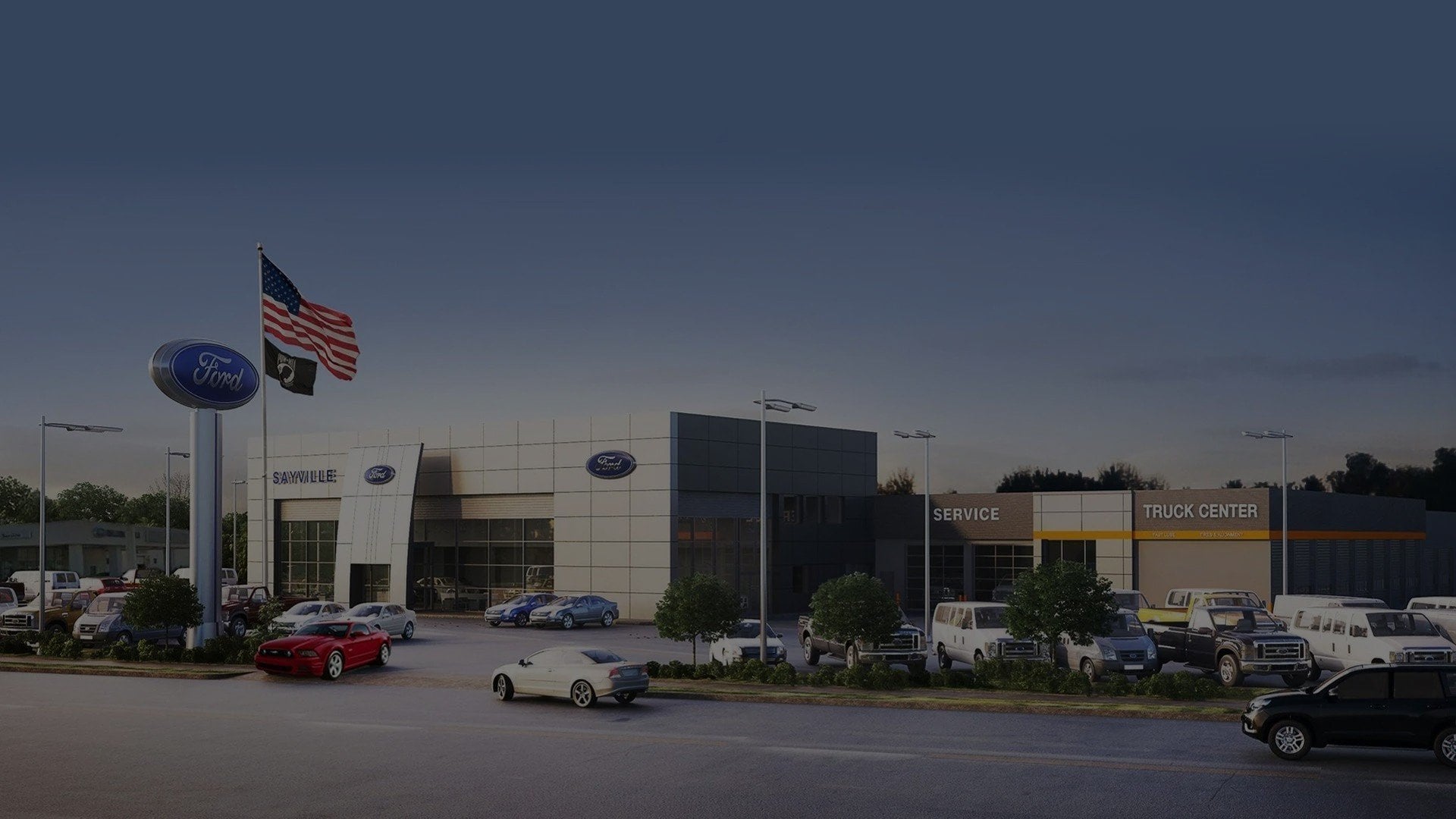
At Sayville Ford, our technicians are Ford factory-trained and experienced with the unique challenges of Long Island’s winter conditions, ensuring repairs and maintenance are tailored to local needs.
When Winter Wear Isn’t Obvious
Some damage takes its time to show. You won’t always hear a noise or feel something off right away. A battery might hold on at half power but won’t warn you until it gives up one freezing AM. Tire pressure drops so gradually mid-winter that it’s easy to brush off until it starts pulling your alignment. Motor oil thickens in colder temps, and you wouldn’t know the filter is struggling unless you’re paying attention.
That’s why we look now when things seem fine on the surface. Hidden wear is more common in February than most drivers guess. Winter does its work quietly, and by the time something acts up, bigger repairs often follow.
We’ve seen:
- Small leaks become big messes after one warm day followed by another freeze
- Brake fluid that looked fine in December turn gritty from dampness in February
- Batteries drop voltage in a way that doesn’t trip a dashboard alert, but still matters when the engine turns over slower
Letting trained eyes take a look near winter’s end gives us a chance to catch these things before spring driving kicks in. It’s a small window, but it’s the right one.
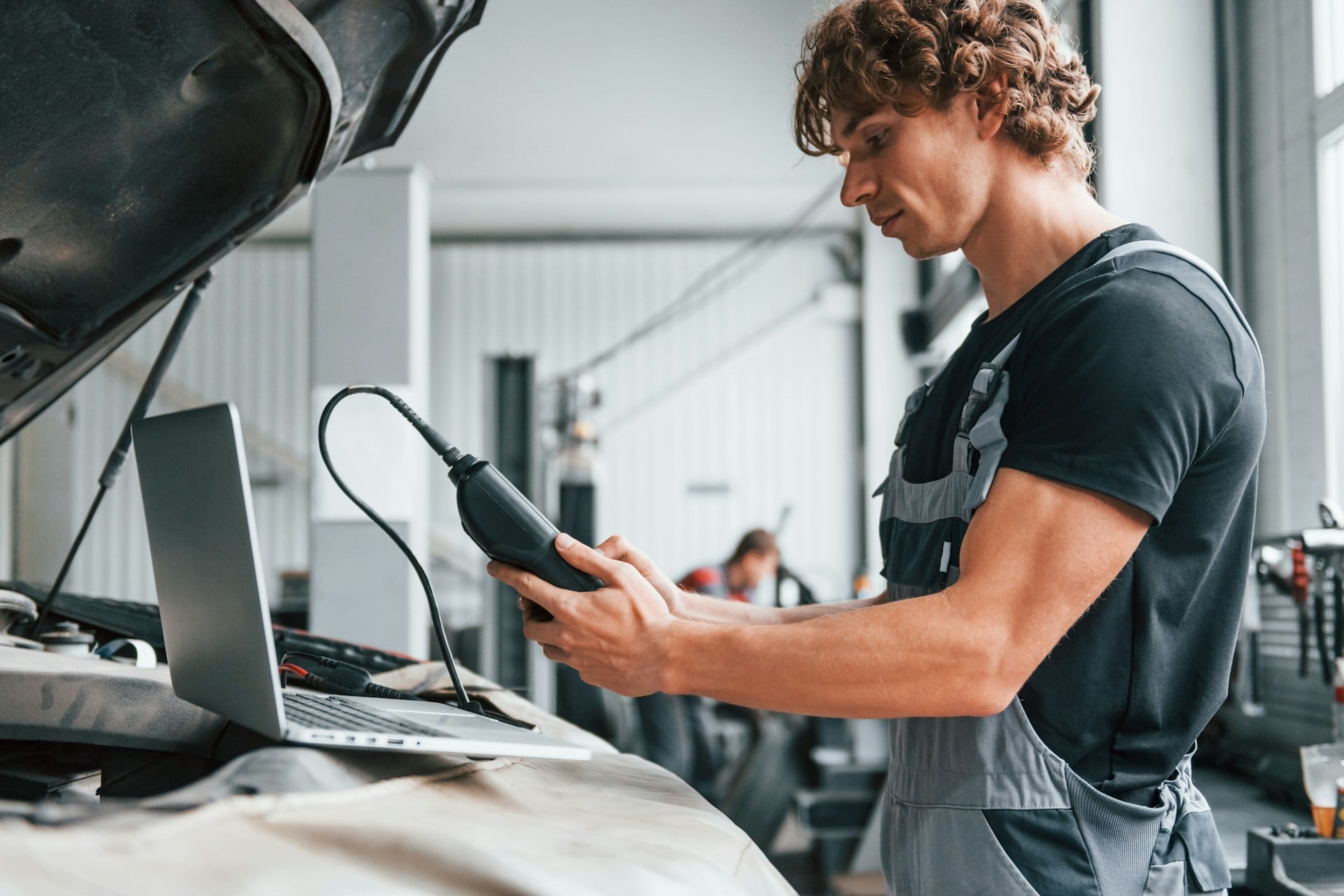
Our service center at Sayville Ford is equipped with Ford-approved diagnostic tools for accurate assessments and fast solutions, even for hidden issues.
The Tools and Training That Make a Difference
A shop is more than a place with lifts and air guns. The tools we use every day help us read things the eye can’t. From battery testers that show loss before failure to diagnostic systems that speak directly with a Ford’s onboard tech, the right equipment speeds up both diagnosis and repair.
But tools aren’t useful unless you know how to use them. That’s where updated training matters. Newer Ford models come with systems that don’t always act like older ones. They have more sensors, smarter ECUs, and powertrains built for different fuel and weather routines.
This is where having a qualified Ford service technician in Long Island brings extra value. We’ve worked on these cars through every season, on roads that freeze, thaw, and refreeze for days. We not only have access to Ford repair systems, but we also know how to apply what the system shows us to problems specific to this area.
Our training doesn’t stop once. We revisit it regularly, especially when new models show up or software updates change how diagnostics behave. That way, whether we’re dealing with a 2024 hybrid or a high-mileage Focus, we can spot the difference between a system glitch and a real repair need.
Finding Issues You Can’t Hear or See
The problems that don’t come with warning lights tend to be the ones that catch you off guard. A failing sensor won’t sound an alarm until a part relying on it starts misfiring. Transmission fluid might break down from cold-weather thickening, but most people won't feel a difference until it overheats later on. Small leaks can go unnoticed for months, only showing up when engine performance slips or coolant runs low out of nowhere.
We’ve learned that routine inspections help us find these things early. Not in a checklist sense, but by knowing what feels off, even when it looks fine on first glance.
- A shift that feels delayed by a half-second
- A heat cycle that should stabilize but takes too long
- A fuse box that runs hotter than expected after short drives
Each of these little signs points to problems that haven’t broken anything yet. Still, they’re heading that way. Catching them matters, especially before spring driving adds another layer of wear with warmer temperatures, longer hauls, and more road time.
Local experience means recognizing these cues faster. It means understanding when something small is actually the start of something larger.
A Trusted Set of Hands Makes All the Difference
Cars don’t just deal with mileage. They deal with weather, road surfaces, traffic habits, and season changes. That’s why it helps to bring your Ford to someone who doesn’t just know the model, but knows how Long Island treats vehicles through winter.
We pay attention to those details that people outside the area might overlook. We know when salt buildup starts to wear into wheel wells. We’ve seen how a few freeze-thaw cycles can suddenly take out your battery or start a slow leak. And we’ve timed enough repairs around winter’s slow fade that we know what to check while there's still time to fix it.
When your car gets checked by someone who lives through these same roads and winters, it’s more than just routine care. It’s the type of attention that helps prevent season-driven damage from turning into springtime breakdowns. That kind of insight isn’t something you can get from a screen or a manual. It comes from being here, hands-on, month after month.
Winter leaves behind more than puddles and potholes, and catching the signs early can make all the difference before spring hits full stride. Having a trusted shop with a trained Ford service technician in Long Island means your car gets checked by someone who understands how local roads wear down parts over time. We don’t just plug into a scanner and move on, we know how to spot cold-weather wear before it turns into something bigger. At Sayville Ford, we're here to help your vehicle stay ready for what’s next. Call us today to schedule service.