

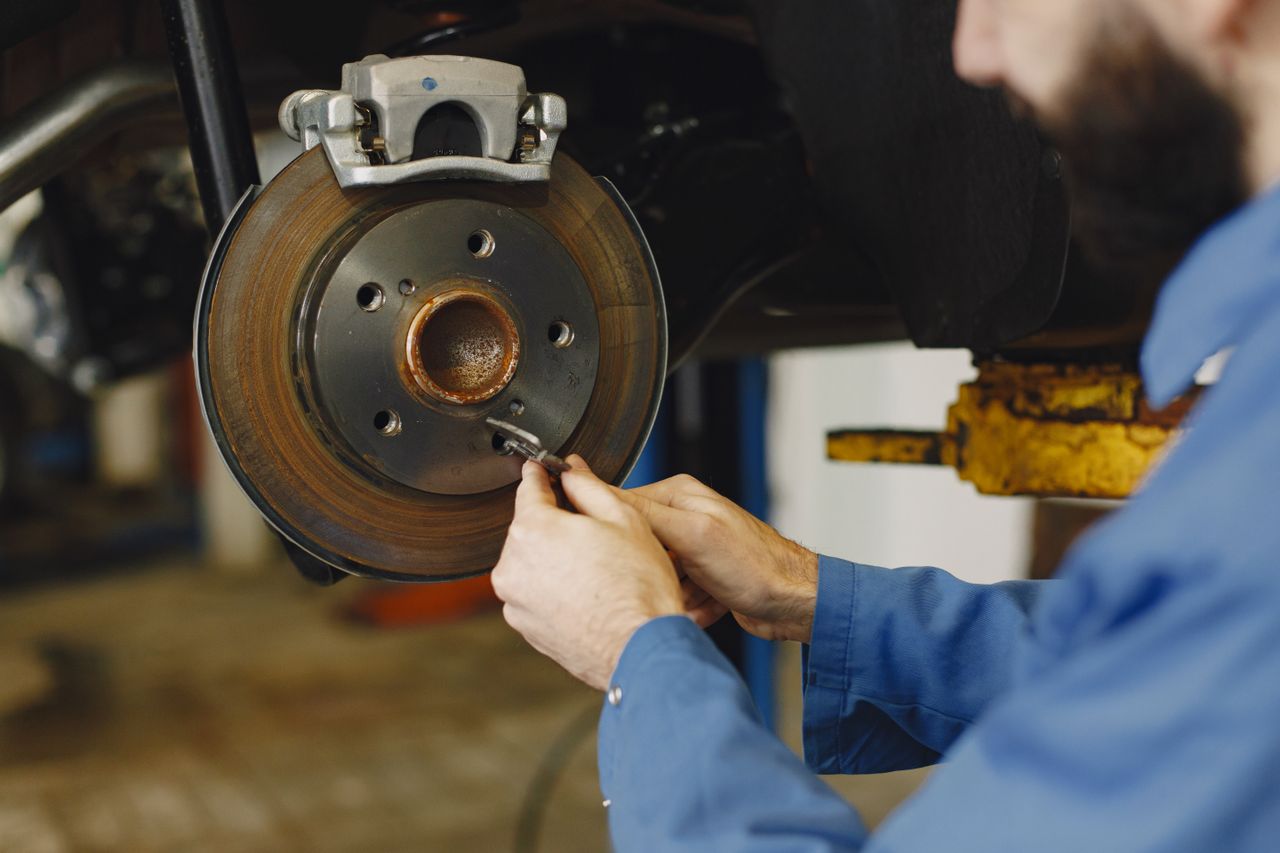
How to Break in New Brake Pads on Your Ford: First 500 Miles
Posted at Wed, Jun 3, 2026 9:00 AM
New brake pads are one of the most important safety parts on your Ford, but they need a little care at the start. How you drive during the first miles makes a big difference in how your brakes stop, how long they last, and how quiet they are. A proper break-in, also called bedding, helps the pads and rotors work together the way they are meant to.
On Suffolk County roads, brakes work extra hard. Stop-and-go traffic on Sunrise Highway, busy beach and ferry routes, and quick weather changes all build heat in your brake system. Whether you just had professional Ford brake pad replacement in Suffolk County or installed a set yourself, the first 500 miles set the tone for pedal feel, stopping power, and noise. We will walk through what to expect, a simple bedding process, normal and not-so-normal sounds, and when it is time to let a Ford service team take a look.
Protect Your New Ford Brakes From Day One
Breaking in new brake pads is not about babying your car; it is about helping the pad material lay down an even film on the rotors. This thin film lets the pads grip smoothly, which can mean shorter stopping distances and less chance of shudder or squeal later on.
On Long Island, your brakes rarely get a break. Daily life here often includes:
- Stop-and-go traffic on Sunrise Highway and the service roads
- Seasonal beach runs, ferry trips, and heavier weekend traffic
- Heat, humidity, rain, and sometimes salty coastal air
Good habits in the first 500 miles help your brakes stand up to all of that. A careful break-in can keep stopping power more consistent and help reduce uneven wear, pulsing, and noise issues down the road.
What to Expect Right After New Brake Pads
Right after brake work, your Ford may feel a little different. That is normal. Some changes you might notice in the first few drives include:
- Slightly softer brake pedal feel at first
- Pedal grabbing a bit higher or lower than you remember
- Stopping power that improves over the first 200 to 300 miles
As the new parts settle in, you may also see or feel:
- A light burning smell after the first few drives
- A bit of brake dust on your wheels
- Occasional light squeaks as coatings burn off and pad material transfers
Early summer heat in Suffolk County can make that smell and light noise more noticeable, especially after a highway run or a few harder stops in traffic. It often fades within the first week of normal driving.
What is not normal:
- Harsh grinding sounds, like metal scraping on metal
- Strong vibration in the steering wheel during braking
- The car pulling hard to one side when you slow down
If you notice any of these, stop driving if it feels unsafe and have the brakes checked by a Ford service team as soon as you can.
Step-by-Step Bedding Process for Suffolk County Roads
A basic bedding process does not have to be complicated or risky. The idea is to build heat in a controlled way, then let the brakes cool without coming to a dead stop for long periods.
A simple, safe approach looks like this:
- Find a quiet area with light traffic and dry pavement, like a wide residential or industrial street
- From about 35 to 40 mph, make a medium stop down to about 5 to 10 mph, not a full panic stop
- Repeat this 5 to 8 times, with a little space between each stop so traffic can flow
- After that, drive for 5 to 10 minutes with minimal braking to let the brakes cool
A few tips for Suffolk County roads:
- Go early in the morning or later in the evening when traffic is lighter
- Avoid aggressive braking in the first 200 miles unless you need it for safety
- Try not to sit at a light with your foot clamped hard on the pedal right after a series of strong stops
When Ford brake pad replacement in Suffolk County is done by a trained team, they also handle proper torqueing, visual checks, and a road test. That means your bedding process should feel smoother and more predictable from the start.
First 500 Miles of Driving Tips on Long Island
Once the first few bedding stops are done, your job for the next few hundred miles is to be a little kinder to your brakes. Small changes in how you drive can make a big difference.
For the first 500 miles, try to:
- Leave extra following distance so you are not braking hard at the last second
- Look further ahead in traffic so you can ease off the gas and coast more
- Use moderate, steady pedal pressure instead of repeated hard stabs at the brakes
On Suffolk County roads, that can be tricky. There are:
- Frequent red lights along main town roads
- Summer visitors near Fire Island ferries and beaches
- Rush-hour backups that tempt quick, hard braking
Do your best to slow earlier and more gently, especially while your pads are still settling in. When rain hits after a dry stretch, roads can feel extra slick. Brake a little sooner and more smoothly until you are sure of the grip.
If you notice pulsation, a strange pedal feel, or one wheel looking more worn or dusty than the others during that first 500 miles, it is a good idea to have a Ford service department take a look and make sure everything is wearing evenly.
Brake Noise: What Is Normal and What Is Not
New brakes often make some noise, especially in the first days and weeks. Most of it is harmless and fades with use.
Normal sounds can include:
- Light squeaking at low speeds
- A quick chirp when backing up
- A soft hum as the pad and rotor surfaces settle in together
On Long Island, humidity, overnight dew, and coastal air can leave a thin layer of surface rust on the rotors. When you first pull away in the morning, that rust gets scraped off and can cause a short squeal or groan that usually goes away after a few stops.
Warning signs that need attention:
- Loud grinding or metal-on-metal scraping
- A constant, sharp high-pitched squeal every time you touch the pedal
- Any sudden change in pedal feel or a clear increase in stopping distance
Factory-trained technicians can tell quickly if a sound is just a normal break-in or if it points to a problem with the pads, rotors, or hardware.
When to Call Sayville Ford for Brake Help
Sometimes, even with careful break-in, brakes need a professional eye. An experienced Ford team can spot issues that are hard to see from the driver’s seat.
Professional Ford brake pad replacement in Suffolk County at a Ford dealership gives you:
- Parts designed to work with your specific Ford model
- Proper lubrication and hardware where it is needed
- Careful installation and checks of calipers, rotors, and brake lines
Some dealers also offer mobile service for select brake inspections, as well as commercial and fleet brake care, so work vehicles stay safe and ready. Protection plans and flexible financing options may be available for larger repair needs.
It is time to get your brakes checked if:
- A brake warning light turns on
- Your vehicle pulls to one side while braking
- Noise or vibration continues after you have given your brakes a careful 300 to 500-mile break-in
Good brake habits in those first miles can pay off for a long time, especially with the kind of driving we see across Suffolk County. When in doubt about how your Ford brakes feel, sound, or stop, a visit with the service team at Sayville Ford in Sayville, NY can help you drive with more confidence into the busy summer roads on Long Island.
Keep Your Ford’s Brakes Ready for Every Suffolk County Stop
If you are hearing new noises or just want peace of mind after a recent brake service, our team at Sayville Ford is here to inspect, adjust, or perform complete Ford brake pad replacement in Suffolk County. We know local driving conditions and can help you break in new pads correctly so they last longer and stop smoother. Have questions or want to set up an appointment with our service advisors, technicians, or collision team? Just contact us and we will help you schedule a visit that works for you.