

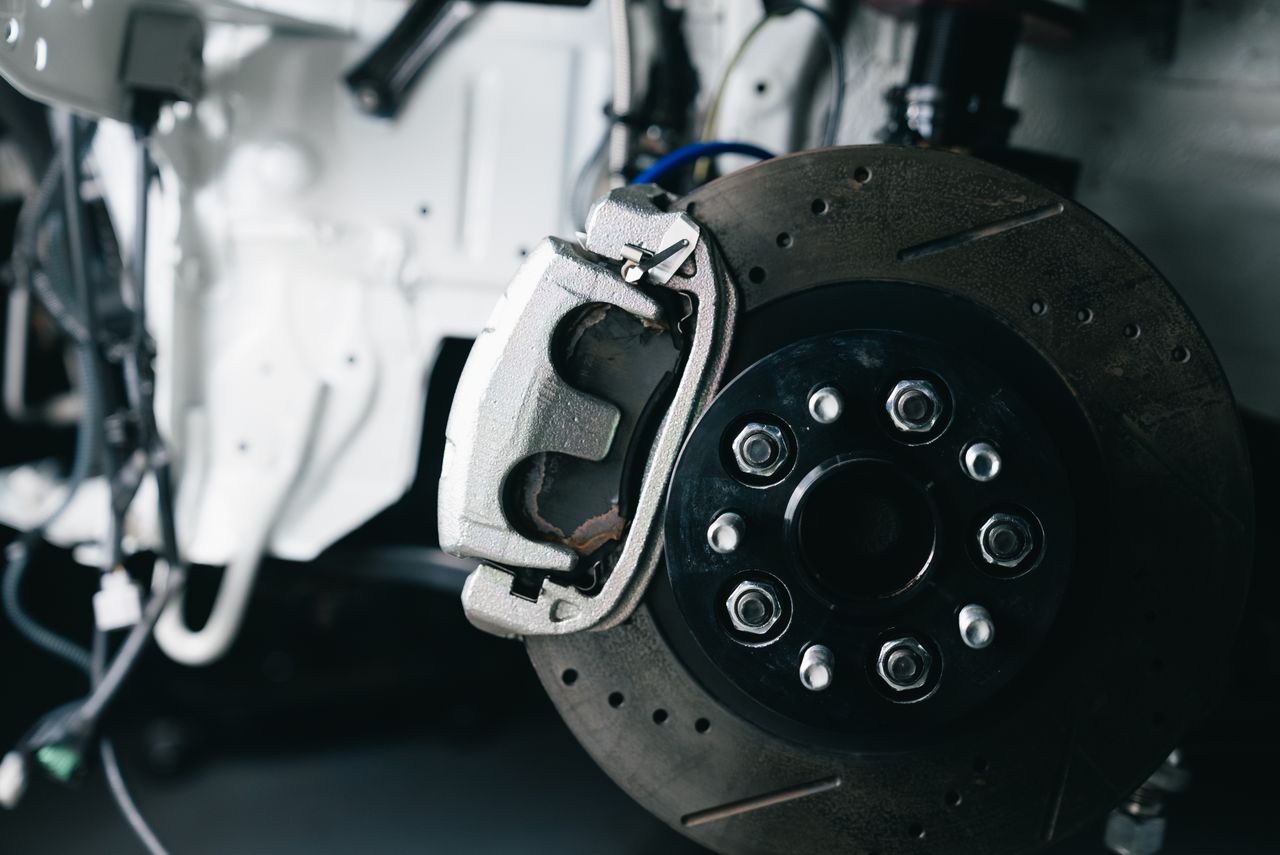
Brake Pad vs. Rotor Wear on Ford Vehicles: Signs and When to Replace
Posted at Wed, May 13, 2026 9:00 AM
Stop-and-go traffic, hot pavement, and heavier loads can all be hard on your Ford’s brakes. When your brake system is working right, you stop smoothly and feel in control. When it is not, you notice every squeak, shake, and long stop at the light. Knowing the difference between brake pad wear and rotor wear helps you catch problems early and keep your Ford safer on every Suffolk County drive.
In late spring and summer, Long Island roads get busier. There are more trips to the beach, more slow traffic heading to the Fire Island ferries, and more heat building up in your brakes. That extra stress can speed up wear on both pads and rotors. In this guide, we will break down how each part wears, the signs to watch for, and when it is time to have a professional look at your Ford’s braking system.
Stop Safely This Summer: Know Your Ford’s Brakes
Your brakes work hard every time you slow down, especially in local traffic on Sunrise Highway or around busy town centers. The system has many parts, but two of the most important are the brake pads and the rotors. They wear in different ways and can show different warning signs.
When you press the brake pedal, brake pads clamp onto the rotors and turn your Ford’s motion into heat. Over time, both parts wear down, but at different speeds. If you understand the signs of wear, you can:
- Catch problems before they become unsafe
- Avoid damage to other brake parts
- Plan service before a big road trip
Trusted brake service from factory-trained Ford technicians helps make sure problems are found and fixed correctly the first time.
How Ford Brake Pads Wear and What to Listen For
Brake pads are the pieces that press against the rotors to slow your wheels. They are made to wear down over time, so they usually need replacement more often than rotors. In stop-and-go driving, like you see across Suffolk County, pads work harder and wear faster.
Common signs of worn brake pads include:
- High-pitched squealing or chirping when you apply the brakes
- Grinding noises that sound rough or metallic
- Longer stopping distance than you are used to
- A soft or spongy feeling in the brake pedal
- Very thin pad material visible through the wheel openings
Brake pad life can vary a lot. How quickly they wear depends on:
- Driving style, gentle stopping vs. hard, sudden braking
- Towing or hauling, which adds extra weight
- City driving vs steady highway driving
- Road conditions and traffic patterns
Using Ford-approved pad materials helps with proper braking feel, noise control, and rotor life. This is especially important for performance Fords, hybrids, and electric vehicles, where braking systems are designed to work with specific parts and, in some cases, regenerative braking systems.
Rotor Wear Symptoms You Can See and Feel
Rotors are the metal discs that sit behind your wheels. When you brake, the pads squeeze the rotors to slow the vehicle. Each time this happens, heat and friction remove a tiny bit of metal. Over thousands of stops, this can thin, warp, or damage the rotors.
You may notice rotor problems in a few clear ways:
- Vibration in the steering wheel when braking
- A pulsing feeling in the brake pedal at higher speeds
- Visible grooves or scoring on the rotor surface
- Blue or dark spots that show heat damage
- A rust ridge or lip around the outer edge of the rotor
Sometimes rotors can be resurfaced. This means a small amount of metal is removed to create a smooth, even surface again. Other times, they are too thin or too damaged and must be replaced. Ford-specific rotor thickness specs are important here. If the rotor is below the minimum thickness, it should not be reused, even if it looks smooth. Proper torque on the wheels after service also helps keep rotors from warping.
Brake Pad vs Rotor Wear: How to Tell the Difference
It can be tricky to know if the problem is mainly pads, rotors, or both. Learning the common patterns helps you describe what you feel when you bring your Ford in for service.
Pad focused wear usually shows up as:
- Squealing, chirping, or grinding noises
- Normal steering feel, with little or no vibration
- Stopping still feels straight, but may take longer
Rotor focused wear is more likely when you notice:
- Vibration in the steering wheel or brake pedal
- Pulsing when braking at higher speeds
- Uneven braking, where the vehicle feels like it is grabbing or surging
Sometimes, worn pads damage the rotors, so both need attention at the same time. A quick driveway check can give clues. You can look through the wheel to see if pads look very thin or if the rotor has deep grooves or rust lips. A simple test drive where you gently brake from different speeds can also reveal noise or vibration. Even with these checks, a professional brake inspection is the safest way to know for sure. Technicians follow Ford diagnostic steps and use precise measurements to decide if pads, rotors, or hardware should be replaced, which helps avoid guesswork and repeat visits.
When to Replace Your Ford Pads and Rotors in Suffolk County
Brake parts do not last forever, even with careful driving. It is smart to have your brakes inspected on a regular schedule. Many drivers time brake checks with:
- Routine oil changes
- Tire rotations
- Seasonal maintenance visits
Coastal moisture, rough pavement, potholes, and traffic can all play a part in how fast pads and rotors wear in Suffolk County. Rust can form faster on rotors when vehicles sit near salty air, and repeated hard stops in traffic can heat the brakes more often.
Having your brakes checked before long summer trips and again before harsher winter weather can help you avoid surprise problems. Regular Ford brake service in Suffolk County gives technicians a chance to spot uneven wear, thinning pads, or rotor issues before they affect your stopping distance on wet, sandy, or uneven roads.
Why Ford Brake Service in Suffolk County Matters
Brake systems have many small parts that all need to work together. On modern trucks, SUVs, performance models, and electric vehicles, there are also electronic controls and model-specific parts to consider. Service from people who work with Ford vehicles every day can make a real difference in how your brakes feel and how long they last.
Factory-trained technicians have access to Ford repair information, recommended parts, and correct brake fluid and torque specs. This helps your brakes perform the way they were designed to from the start. Local experience with Long Island driving conditions, from crowded parkways to sandy side streets, also helps with choosing the right maintenance plan for your Ford.
Sayville Ford is a family-owned Ford dealership and certified service center on Long Island, and we offer Ford brake service in Suffolk County for drivers who want careful inspections and brake repairs handled by people who know Ford vehicles inside and out. Whether you drive a daily commuter car, a work truck, a performance model, or an EV, proper brake care helps protect your investment and keeps every stop as safe and smooth as possible.
Schedule Expert Ford Brake Care With Sayville Ford
If you are seeing signs of pad or rotor wear and are not sure what needs attention, our factory-trained team can inspect your brakes and explain exactly what should be replaced and why. Schedule your Ford brake service in Suffolk County so we can help keep your stopping power strong and your Ford driving safely. Have questions before booking an appointment? Feel free to contact us and we will be happy to talk through your brake concerns.